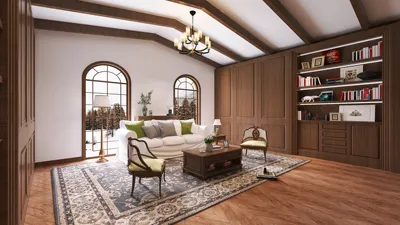


Common Mistakes When Styling Fake Bookshelves and How to Avoid Them
Typical errors in styling fake bookshelves include overcrowding, imbalance between books and decorative items, color mismatches, and inadequate lighting. These issues can usually be corrected by removing excess objects, grouping items thoughtfully, introducing empty space, and enhancing lighting to give shelves a layered and organic feel.
Important Highlights
Introduction to Decorative Shelf Styling Challenges
Throughout my experience designing living rooms and studies, many clients adore the concept of decorative shelving but are disappointed by how their shelves appear once arranged. The challenge is rarely the furniture, but rather the styling approach used.
Homeowners frequently find their fake bookshelf arrangements look cluttered, haphazard, or overly artificial. Ironically, this often results from an excessive effort to "decorate" shelves, leading to clutter rather than an intentional display.
A crucial step I recommend is planning the visual harmony of the surrounding area before styling shelves. When furniture placement and room layout are clearly planned—often aided by visualization tools like Homestyler—shelf styling becomes far more intuitive and effective. This foresight helps prevent many common pitfalls early on.
After years of arranging bookshelves in actual residences, showrooms, and model homes, I’ve identified recurring styling problems. Fortunately, most styling mistakes are straightforward to resolve once the underlying visual principles are understood.
Why Do Fake Bookshelves Sometimes Appear Unnatural?
Key Insight: Shelves appear unnatural when every object draws equal attention, rather than supporting a clear visual hierarchy guiding the eye.
Decorative shelves in many homes often feel staged instead of lived-in, primarily because items share identical visual weight—similar sizes, colors, or heights.
Professional decorators purposefully create visual hierarchy so the viewer's gaze naturally moves across the display.
Common Causes of Shelves That Lack Natural Appeal
Leading interior styling sources, such as Architectural Digest, emphasize grouping and varying scale as essential for shelf composition.
A helpful method is styling shelves in defined "zones" rather than placing items one by one, aiming for each shelf to have 2–3 carefully composed clusters rather than a continuous row of objects.
Addressing Overcrowded Shelves to Reduce Visual Chaos
Key Insight: The quickest improvement in shelf styling often involves removing 30–40% of items from the shelf.
Clients are frequently surprised when I suggest clearing about half the shelf, but creating visual breathing room enables the remaining pieces to stand out distinctively.
Indicators Your Shelves Are Too Crowded
Strategies to Declutter Shelf Decor Effectively
This approach is sometimes known as the "gallery method," treating shelves as curated art displays rather than mere storage spaces.
Balancing Books, Decorative Objects, and Empty Space on Shelves
Key Insight: A well-styled shelf generally follows an approximate ratio of 60% books, 25% decorative items, and 15% open space.
Though not rigid rules, these proportions align with how people naturally perceive balance in shelving arrangements.
Ideal Shelf Layouts Include:
When designing built-in shelving for clients, I often use room visualization tools like Homestyler to preview these layouts beforehand. This helps avoid guesswork by illustrating balance in a photorealistic context.
Another subtle tip is to position heavier visual elements toward shelf edges, subtly framing the display.
Color and Texture Considerations in Shelf Decoration
Key Insight: Inconsistent color palettes are among the most common yet overlooked styling errors for fake bookshelves.
Random color combinations can create visual disorder, even if spacing and balance are well executed.
Common Color Mistakes to Avoid
A professional styling solution involves repeating colors or harmonizing tones across objects for cohesion.
Often, texture plays an even more vital role than color. Combining matte ceramics, natural wood grains, and soft fabrics adds visual depth without overwhelming the shelf display.
Lighting Problems That Cause Shelves to Look Flat
Key Insight: Insufficient lighting flattens the appearance of even well-styled shelves by removing depth.
Such lighting issues are particularly prevalent on decorative fake shelves positioned against dark walls.
Effective Lighting Techniques for Shelving Displays
Introducing shadows and highlights creates dimensionality between books and decorative pieces.
When planning shelving in larger spaces, I map lighting layouts while testing room arrangements using platforms like Homestyler. This helps determine if shelves will appear layered or flat post-installation.
Simple Fixes to Instantly Enhance Shelf Styling
Key Insight: Minor tweaks can significantly elevate shelf aesthetics without the need to purchase additional décor.
In many client projects, brief five-minute adjustments yielded the most noticeable visual improvements.
Immediate Styling Enhancements That Work
A somewhat counterintuitive guideline I follow is that if shelves seem "incomplete," the solution often involves removing items rather than adding more.
Answer Box: Best Practices for Correcting Fake Bookshelf Styling Mistakes
The most effective way to address fake bookshelf styling errors is to simplify the arrangement strategically. Reduce clutter, balance books and décors, repeat harmonious colors or materials, and add proper lighting to enhance dimensionality. Even subtle spacing refinements can transform the aesthetic of decorative shelves.
Summary and Final Thoughts
Frequently Asked Questions (FAQ) About Fake Bookshelf Styling
Why do my fake bookshelves appear disorganized?
Most often, shelves look messy due to an excess of objects. Simplifying and grouping items usually resolve the issue.
How can decorative bookshelves be styled effectively?
Combining vertical books, horizontal stacks, medium-sized decorative items, and empty space creates balance. Repeating colors and varying scale brings visual harmony.
What is the biggest mistake when styling fake bookshelves?
Overcrowding is the main culprit. Too many decor pieces result in chaos and a fake look.
How do I make decorative shelves appear more natural?
Mix books with personal items of varying heights, and leave some empty space so the setup doesn't look forced.
Should bookshelves be symmetrical?
Not necessarily; slight asymmetry often looks more appealing and natural.
How many decorative objects are ideal for a shelf?
Typically, one medium and one small accent per grouping work best.
Is lighting necessary for fake bookshelves?
Lighting is not mandatory but greatly enhances depth and prevents shelves from appearing flat.
How can I quickly fix cluttered bookshelf décor?
Remove smaller items, add spacing between groups, and balance books with a few larger decorative pieces.
Metadata for SEO
Meta Title: Common Mistakes in Fake Bookshelf Styling and Easy Solutions
Meta Description: Learn about frequent fake bookshelf styling errors and practical fixes that create balanced, natural, and professionally styled decorative shelves.
Meta Keywords: fake bookshelf styling mistakes, bookshelf decor tips, declutter bookshelf, decorative shelf design, how to style shelves

DINZI LVJ Shoe Bench, Entryway Storage Bench
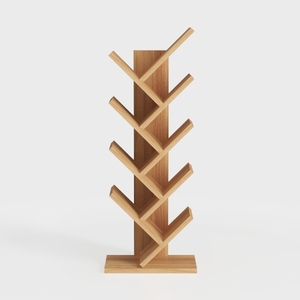
Minimalist Solid Oak Tree Shape Bookshelf 3D Model
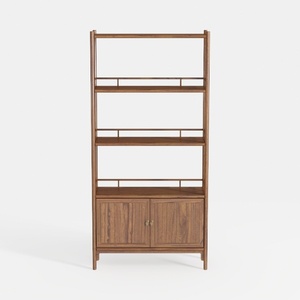
Minimalist Solid Wood Bookshelf Cabinet With Open Shelves 3D Model
Homestyler is an easy-to-use online home design platform that offers powerful 3D rendering, inspiring interior projects, and helpful DIY video tutorials. It lets you create and visualize stylish spaces effortlessly, whether you're a beginner or a design enthusiast.
Projete agora para LIVRE
































