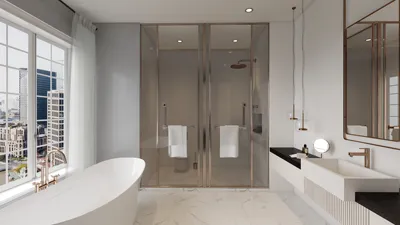


I have discovered that efficient compact homes thrive when each square foot serves a specific purpose. With careful zoning, light-centric designs, and versatile furnishings, a house measuring between 600 and 1,200 square feet can feel open, tranquil, and exceptionally useful. The aim is not to downsize lifestyles but rather to align spaces with actual daily routines—where cooking, working, relaxing, and gathering occur—ensuring smooth circulation and storage that remains hidden until needed. Using tools like Homestyler can help visualize these layouts effectively.
Data consistently supports these design strategies. The WELL Building Standard identifies daylight, glare management, and accessible thermal comfort as fundamental elements of well-being. Research has shown a connection between daylight exposure and enhanced sleep and productivity, which influences window placement and shading in smaller homes (check WELL v2 Concepts: Light). Studies from Steelcase indicate that multi-functional environments boost satisfaction by providing individuals with choices regarding posture and activity zones. This concept can easily be applied to small homes with flexible spaces and adaptable furniture. For optimal lighting, the Illuminating Engineering Society (IES) advises task illuminance levels between 300 and 500 lux for kitchens and home offices, ensuring functionality rather than mere aesthetics.
The influence of color psychology is significant yet often understated. Gentle, low-saturation shades that balance warm and cool tones help walls to recede while well-managed contrasts can define spaces and enhance mood without causing visual clutter. According to Verywell Mind's exploration of color psychology, cool colors like blue and green encourage calmness and focus—ideal for home offices and bedrooms—whereas warmer accents are energizing in social areas. In compact spaces, I prefer to avoid stark white rooms; instead, I layer various textures, matte finishes, and a thoughtful color palette to create depth and maintain visual comfort without excessive glare.
Compact Planning Principles
Begin with a concise program by identifying the top 6 to 8 essential activities that must occur daily, then assign them to appropriate zones. Keep the primary circulation area under 25% of the total floor space by aligning doorways and sightlines, and avoid corridors that serve only a single room. If your design requires structural adjustments, using a room layout tool like Homestyler can help simulate furniture layouts and traffic patterns before finalizing your design.
Light, Views, and Glare Control
Natural light should be ample yet manageable. In smaller living spaces, I strive for dual-aspect living areas when possible, allowing for morning and evening light. Combine high-transmission glazing with low-Visible Light Transmission (VLT) shades in particularly sunny areas. Position task surfaces such as kitchen counters and desks close to windows, but slightly away from direct sunlight to prevent glare. The IES recommends ambient lighting of 150 to 300 lux along with task lighting of 300 to 500 lux, and incorporating dimmable options enhances usability from morning to night.
Micro-Zoning and Behavioral Flow
A single room can accommodate multiple functions if the zones are clearly defined. I often arrange a studio into three distinct areas: a quiet rear section for sleeping and working, a central service spine for storage, kitchen, and bathroom access, and a lively front area for social activities presenting views and light. Low-pile carpets, changes in ceiling height, and clusters of pendant lights subtly signal boundaries without the need for walls. Ensure clear pathways of at least 900 to 1,000 mm to facilitate smooth movement.
Kitchen Efficiency in Small Homes
Focus on the working triangle, while also maximizing efficiency. A compact galley kitchen measuring between 1,800 to 2,100 mm with a aisle space of 1,000 mm is remarkably effective. Incorporate a two-tier counter: a prep area at 900 mm and a snack bar at 1,050 mm to create distinction. Utilize pull-out pantries that are 300 to 450 mm deep and install drawer organizers to prevent stacking heavy cookware above. I ensure strong ventilation; compact does not mean sacrificing air quality.
Bedroom and Storage Strategy
Incorporate under-bed storage solutions and wall niches (120 to 150 mm) for books and devices without protruding elements. A headboard wall could conceal shallow wardrobes with sliding doors to avoid swing conflicts. Ensure at least 700 to 800 mm of clearance around beds; tighter arrangements complicate bedding changes and day-to-day use. In studio settings, a freestanding screen with acoustic fabric offers privacy while also absorbing noise.
Work Nooks and Acoustic Comfort
For home office spaces, aim for a desk depth of 600 to 700 mm along with task lighting of around 500 lux, paired with a chair that supports a hip angle of 90 to 100 degrees. Use felt pinboards, curtains, and soft rugs to minimize reverberation time (RT60) and improve auditory clarity. Position the desk away from the primary social area to reduce distractions, and consider a folding wall desk to free up space when it’s not in use.
Bathrooms: Compact Yet Calm
Incorporate wall-mounted fixtures to give the bathroom a more open feel; ideally, maintain a 900 mm turning radius. A niche shelf within the shower can conserve space, and a pocket door mitigates swing complications. Use warm color temperatures (2700 to 3000K) to create a calming atmosphere during nighttime hours, and add a dim guide light to reduce sleep interruptions.
Material Selection and Sustainability
Opt for durable, matte finishes to minimize glare and resist fingerprints. Utilize FSC-certified wood and low-VOC paints to safeguard indoor air quality. In cozy spaces, thermal comfort can fluctuate rapidly; therefore, incorporating insulating curtains, door sweeps, and airtight cabinetry is crucial for maintaining a comfortable interior. Balance acoustic softening (such as rugs and fabric panels) with harder surfaces (like timber and tile) to retain brightness without echo.
Furniture that Works Hard
Invest in multifunctional furniture: consider nesting tables, storage benches, wall beds with integrated shelving, and modular sofas that can adapt for guests. Avoid bulky designs; furniture with visible legs creates the illusion of more space while keeping the room visually light.
Visual Balance and Spatial Ratios
Employ a color ratio of 60/30/10 to maintain harmony: a dominant neutral, a secondary tone for warmth or coolness, and a 10% accent for vibrancy. Keep vertical surface colors light and choose slightly darker shades for horizon elements to ground the design. In tighter spaces, position the darkest colors at the floor and the lightest at the ceiling to enhance the perception of height.
Trends Shaping 2024–2025 Compact Living
Biophilic elements—like natural textures and plants near windows—remain predominant, especially in compact homes where soft lines help mitigate density. The integration of adaptable technology continues: concealed wiring, magnetic light fixtures, and portable acoustic screens are gaining traction. We're also witnessing the introduction of slimmer kitchen appliances that maintain high performance standards without compromising design aesthetics, allowing for cleaner lines.
Planning Toolkit
Begin by sketching activities rather than rooms. Test two to three furniture arrangements before finalizing wall placements. If there are uncertainties regarding circulation and clearances, a user-friendly interior layout planner like Homestyler is invaluable for quick adjustments.
FAQ
To attain balanced sunlight throughout the day, place task areas near windows. Ensure ambient light levels of 150 to 300 lux and task lighting at 300 to 500 lux, consistent with IES recommendations for both homes and offices.
Choose low-saturation neutrals with gentle contrasts; save bold hues for smaller areas. Blues and greens can promote tranquility and concentration while warm accents enliven social spaces, validating the principles of color psychology.
Plan for pathways of 900 to 1,000 mm to avoid congestion and facilitate daily interactions, especially at doorways and around furniture.
Utilize two parallel runs of 1,800 to 2,100 mm in length with a 1,000 mm aisle, complemented by plenty of task lighting and a pull-out pantry. Maintain food prep areas at a height of 900 mm, and consider an additional 1,050 mm tier for social dining.
Integrate soft finishes like rugs, curtains, and felt panels in conversation areas. Diminish echoing sounds by juxtaposing hard surfaces and utilize screens to create a separation between work and social environments.
Incorporate wall beds with built-in shelving, storage benches, nesting tables, and modular seating. Prefer furniture that shows off legs to maximize floor area visibility and enhance the feeling of openness.
Select warm light temperatures of 2700 to 3000K for evenings and sleeping areas to encourage relaxation, and use 3000 to 3500K for focused workspaces. Combine adjustable lighting with varied fixtures to suit activities and time of day.
Define quiet spaces using acoustic screens, adjustments in ceiling height, and plush rugs. Situate the bed toward the back of the area, positioning social seating near windows, and consider sliding or pocket doors to avoid swing conflicts.
Aim for 700 to 800 mm of space around beds and at least 600 mm between the sofa edge and coffee table to ensure ease of movement and maintenance.
Ensure a desk depth of 600 to 700 mm, with 500 lux of task lighting, and incorporate acoustic solutions like pinboards or curtains. Position it away from high-traffic social areas to minimize distractions.

Modern Dining Chairs 1PC, Upholstered Kitchen

58" Executive Desk, Farmhouse Computer Desk with
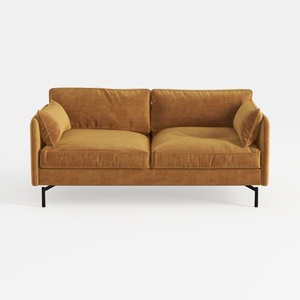
Corduroy High Resilience Sofa with 2 Pillows,57.9
Homestyler is your go-to online platform for creating stunning home designs. With an easy-to-use design tool, impressive 3D renderings, and a wealth of DIY video tutorials, you can effortlessly bring your vision to life and transform any space into your dream home!
Projete agora para LIVRE
































