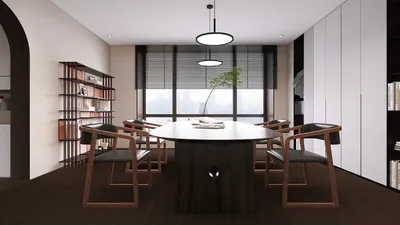


Creating a modular kitchen within a limited space requires careful consideration of spatial ratios, adaptable storage solutions, and ergonomic layouts. In smaller homes, I approach design with meticulous attention to detail: everything from clearances and appliance dimensions to sightlines influences each choice made. An efficient kitchen in a compact area should evoke a sense of calm, brightness, and ease rather than feeling congested.
Data highlights the importance of meticulous planning for optimal kitchen performance. The WELL Building Standard suggests lighting levels of 300–500 lux for general areas, with over 500 lux in detailed preparation zones to alleviate eye strain while managing glare (WELL v2). Research by Steelcase indicates that effective lighting distribution can enhance perceived productivity by 23%, a concept that directly applies to kitchen tasks. Incorporating these lighting standards through modular components like under-cabinet lights, indirect ceiling lighting, and dimmable circuits is essential for small kitchens.
Color selection plays a crucial role in compact spaces. According to insights from Verywell Mind, warm neutrals contribute to a comforting atmosphere, while cooler shades foster clarity and a sense of spaciousness. I prefer using soft, desaturated colors—such as warm white (3000–3500K), light gray, or muted sage—to give the illusion of expansion. Vibrant colors serve only as accents, helping to maintain a visually soothing rhythm.
Rethinking the Kitchen Layout: Work Triangle and Micro-Zones
In many smaller kitchens, the traditional work triangle, consisting of the sink, cooktop, and fridge, is not ideal. I advocate for a micro-zone approach: designating areas for preparation (near the sink), cooking (with cooktop and oven), cold storage (fridge and pantry), and cleanup (sink and dishwasher). Aim for a main aisle clearance of 42–48 inches; if you need to go under 40 inches, implement slim appliances and single-swing doors to prevent congestion. For quick adjustments to spatial layouts and appliance clearances, utilizing a room layout tool like Homestyler can save both time and exceptions during renovations.
Effective Storage Solutions for Compact Spaces
Maximizing vertical storage is essential. I recommend extending wall cabinets to the ceiling and incorporating full-height pull-out pantries (150–300mm wide) to utilize narrow spaces efficiently. Within base cabinets, 3-tier pull-outs and corner carousels enhance accessibility. Drawers tend to outperform doors in constrained areas—select deep drawers for pots, mid-sized ones for bowls, and shallow ones for utensils. Adjustable inserts are key to preventing clutter and ensuring easy access. Remember: simplify your kitchen tools to enhance storage efficiency while keeping retrieval intuitive.
Choosing Appliances Wisely for Small Kitchens
Opt for appliances that justify their space. A 24" cooktop with two strong burners can often surpass a cramped 30" unit with four burners. Combination microwave-convection appliances, slimline dishwashers (18"), and counter-depth refrigerators help maintain good workflow. If meal prep is a common activity, prioritize the width of your fridge; for daily cooking, ensure there’s ample counter space adjacent to the cooktop. Ventilation is crucial—a recirculating hood with high-quality filters is suitable for apartments, but for frequent sautéing, a ducted option is advisable to combat lingering odors and limit noise.
Attention to Ergonomics and User Comfort
Compact kitchens can amplify ergonomic issues. A counter height near 36" works for most users; if different heights are common, consider a compromise between 35–36". Keeping essential tools within the ‘forearm reach’ (approximately 20–24" from the edge) helps minimize extra movements. Adequate task lighting should provide around 500 lux at the cutting board; I position LED strips under cabinets, utilizing 3000–3500K lighting for accurate color rendering and reduced glare. Opt for handles that are easy to grasp; in minimalistic designs, beveled or integrated pulls are preferable in tighter aisles.
Creating Layers of Light: General, Task, and Accent
Layered illumination is key in small kitchens. I initiate with a soft general wash—be it recessed lights or surface-mounted fixtures—followed by under-cabinet task lighting for work surfaces. For open shelving, small LED spotlights can accentuate textures, keeping the environment engaging. Following the WELL v2 guidelines, emphasize lighting uniformity and low UGR (Unified Glare Rating) to maintain visual comfort. Adding dimmers allows for a transition from cooking ambience to relaxed dining settings effortlessly.
Choosing Durable Materials and Ensuring Visual Balance
Select finishes that reflect light effectively but mitigate harsh glares. Satin or matte cabinet fronts can mask fingerprints effectively. For countertops, engineered stones with subtle details minimize visual distractions. Backsplashes in light, soft colors enhance reflectivity; if you're drawn to patterns, limit them to one area to avoid overwhelming aesthetics. With sustainable materials readily available—like FSC-certified wood and low-VOC finishes—durability and environmental consciousness can go hand in hand.
The Psychology of Color in Small Kitchens
In confined kitchens, the choice of color influences both mood and spatial perception. I often utilize cooler undertones—like pale gray-green or subdued blue—for cabinets, balancing them with warm wood tones for a homely feel. High-contrast schemes might look appealing in photos but can appear visually overwhelming; maintaining balanced contrasts—light walls with medium cabinets and dark fixtures—creates a soothing and coherent visual flow.
Strategies for Space Optimization
• Replace traditional swing doors with pocket or bifold pantry doors.
• A single-bowl sink maximizes counter space; a roll-up drying rack can enhance cleanup efficiency.
• Integrate toe-kick drawers for storing trays and baking sheets.
• Install rails for utensils and spice shelves to declutter countertops.
• Consider a fold-down or pull-out prep area near the fridge for unloading groceries.
• Use an interior layout planner to ensure sufficient clearances for trash bins and dishwasher access.
Prioritizing Acoustic Comfort
Smaller kitchens can amplify sound. Select quieter appliances (opt for low dB ratings), incorporate soft-close hardware, and introduce sound-absorbing materials such as Roman shades, cork flooring, or textured wall panels. Even a small washable runner can significantly improve acoustic comfort while adding a touch of warmth.
Ensuring Proper Ventilation and Indoor Air Quality
Maintaining quality air is critical for both comfort and safety. If cooking is frequent, prioritize a range hood that has sufficient capture area, and ensure filters are kept clean. If counter space allows, introducing a few herbs near a window is beneficial—fresh air, sunlight, and scent enhance the sensory experience. Choosing Low-VOC paints and sealants minimizes lingering odors and safeguards sensitive individuals.
Maximizing Storage within Modular Frameworks
Within a modular kitchen system, using consistent module widths (e.g., 300/450/600mm) helps maintain a rhythmic design and minimizes waste. Incorporate concealed charging solutions for devices to keep surfaces orderly. A vertical slot for cutting boards next to the sink enhances workflow efficiency. For those who entertain often, designate accessible 'grab-and-go' drawers for essentials like napkins and serving utensils, ideally positioned near dining areas.
Lighting Options to Enhance Cooking Conditions
Color temperature impacts our perception of freshness and flavor. I usually keep lighting within 3000–3500K for a warm, realistic ambiance; cooler temperatures can affect the appetizing appearance of food. Ensure a Color Rendering Index (CRI) of 90+ for accurate color representation during food preparation. Dimmer switches can allow adjustment to softer lighting (2700–3000K) during evening meals for a more inviting atmosphere.
Safety Guidelines and Clearance Standards
Always respect standard clearances: leave 12" between the cooktop edge and walls or tall cabinetry; avoid placing the refrigerator directly across from the dishwasher in tight galley layouts. Store a fire extinguisher in an accessible but unobtrusive location, away from heat sources. If children frequent the space, ensure sharp items are stored out of reach and consider using magnetic locks for hazardous drawers.
Emerging Trends for Small Modular Kitchens (2024–2025)
• Seamless, handle-less cabinet designs with integrated pulls.
• Robust, slim quartz composites featuring rounded edges.
• Micro-pantries that utilize adjustable rail systems.
• Hybrid appliances (combining steam and convection) to optimize space.
• Built-in LED profiles with diffusers, offering low UGR options.
• Muted color palettes—such as warm whites, bone tones, eucalyptus, and charcoal—combined with natural wood finishes.
Understanding When a Kitchen Island is Beneficial
In exceptionally small kitchens, a fixed island can disrupt flow. I frequently recommend a portable cart—24–30" wide with locking casters, a butcher-block top, and a shallow drawer. This creates a flexible prep area that can be easily stowed when guests are over. If a fixed peninsula is necessary, ensure a minimum clearance of 36" on all sides and confirm that seating arrangements do not interfere with appliance doors.
Frequently Asked Questions
Q1: How much lighting is appropriate for a small kitchen?
A1: Aim for lighting levels between 300–500 lux for ambient settings, and over 500 lux in prep zones. Under-cabinet LEDs and low-glare ceiling fixtures help maintain comfort, as specified by WELL v2 standards.
Q2: What is the ideal aisle width in a compact kitchen?
A2: For single-cook configurations, strive for 42–48 inches of clearance. In tighter spaces, prioritize slim appliances and drawers over doors, and validate swing clearances using a digital planning tool.
Q3: Are drawers preferable to doors in base cabinets?
A3: Absolutely. Drawers enhance access and retrieval in tight spaces—deep drawers for pots, mid-depth for bowls, and shallow for utensils—making cooking more efficient.
Q4: What color temperature is most suitable?
A4: Staying within 3000–3500K provides a warm, realistic balance for food preparation. Combine this with a CRI of 90+ to achieve true color accuracy at workstations.
Q5: What should I consider when selecting appliances for small kitchens?
A5: Prioritize compact, multifunctional appliances—such as 24" cooktops, combination microwave-convection units, and counter-depth refrigerators. Ensure your ventilation aligns with your cooking habits.
Q6: How can I maximize storage without overcrowding?
A6: Utilize vertical storage with ceiling-height cabinets and streamlined pull-out pantries. Incorporate toe-kick drawers and rail systems for utensils to help keep surfaces clear.
Q7: What finishes enhance the perception of space in small kitchens?
A7: Light, matte, or satin finishes create a less reflective and visually cluttered environment. Countertops with subtle veining and soft-hued backsplashes can boost light reflection and visual calm.
Q8: Is it possible to have an island in a very small kitchen?
A8: Instead of a fixed island, consider a mobile cart. If a peninsula or fixed island is installed, ensure at least 36" of clearance and verify that seating does not interfere with appliance usage.
Q9: What strategies can I use to mitigate noise in my kitchen?
A9: Opt for quieter appliances, soft-close fixtures, and introduce sound-dampening materials like cork flooring, textured fabric treatments, or washable area rugs.
Q10: What’s the most efficient way to plan a small kitchen layout?
A10: Utilize a dependable digital layout tool like Homestyler to assess clearances, door swings, and appliance dimensions before finalizing kitchen cabinetry and design.
Built on technology originally developed at Autodesk, Homestyler empowers anyone to design beautiful, realistic spaces in minutes. Join over 18 million users who have already discovered a smarter way to plan, visualize, and bring their dream homes to life — all from the comfort of a browser.
Homestyler is your go-to online home design platform, perfect for transforming your ideas into reality. With its user-friendly design tool, stunning 3D renderings, a wealth of design projects, and easy-to-follow video tutorials, creating your dream space has never been easier!
Projete agora para LIVRE
































