

I have organized and staged numerous events across the vibrant neighborhoods of Mumbai—from the elegant ballrooms of Nariman Point to multi-purpose banquet spaces in Andheri, as well as the picturesque lawns of Navi Mumbai. The quality of a venue encompasses more than just its chandeliers; it involves the right balance of acoustics, lighting, circulation, and how the space captures photographs in the warm evening light. Transparency in pricing is as crucial as the ambiance. As highlighted by Steelcase's workplace research, environments designed for comfort and effective layout can yield a 15–20% improvement in perceived performance—a notion that is equally applicable to enhancing guest comfort and flow in event spaces. Additionally, the WELL v2 guidelines stress the importance of proper glare management and ideal color temperature settings (2700–3000K for a comforting evening glow) to keep guests relaxed and engaged during events.
The event space market in Mumbai ranges from cozy hotel meeting rooms to vast convention halls. Based on the latest venue quotes I have assessed and compared within the hotel and banquet sectors, the average cost for mid-range banquet halls in suburban Mumbai typically falls between ₹1,200 and ₹2,500 per plate for vegetarian options, while premium hotels in South Mumbai usually charge ₹3,500 to upwards of ₹6,500 per plate based on factors like menu selection, bar availability, and seasonal demand. Gensler’s research into user-centric environments reveals that individuals prioritize clear navigation and acoustics just as much as they do aesthetics—valuable insights when evaluating venues beyond mere pricing.
Here’s a thoughtfully designed guide: key capacity categories, indicative per-plate pricing, and essential considerations for lighting, acoustics, and layout. Employing a room layout tool like Homestyler can help you visualize seating arrangements and circulation patterns, which is crucial for optimizing guest flow and mandap positioning.
Essential Price & Capacity Bands in Mumbai
- Boutique/Hotel Salons (100–200 guests): ₹1,200–₹2,200 for vegetarian; ₹1,600–₹2,800 for non-vegetarian. Suitable for intimate weddings or sangeets. Typically characterized by lower ceiling heights (3–3.6 m) and more confined back-of-house facilities; ensure there is a dedicated service corridor to reduce buffet congestion.
- Mid-Size Banquets (200–500 guests): ₹1,800–₹3,000 for vegetarian; ₹2,200–₹3,500 for non-vegetarian. Commonly found in Andheri, Goregaon, and Chembur. Ensure the venue has 4–6 m clear heights for stage backdrops and adequate truss lighting.
- Premium Hotels & Sea-Facing Ballrooms (250–700 guests): ₹3,500–₹6,500+ per plate; expect higher rates during peak seasons. Locations include South Mumbai and the Bandra-Khar corridors. Anticipate enhanced acoustics, integrated audiovisual systems, and coordinated lighting.
- Convention Centers & Lawns (500–1,500+ guests): Pricing varies; catering costs range from ₹1,800 to ₹4,000+ per plate, subject to the services of external caterers and rentals. Ensure to verify arrangements for rain protection and tenting.
Shortlist by Neighborhood Vibe
- South Mumbai (Colaba, Marine Drive, Nariman Point): Offers heritage charm with higher pricing and stricter load-in timelines. Ideal for formal evening receptions; photos captured during golden hour are spectacular.
- Bandra–Khar–Santacruz: Features a versatile blend of hotels and standalone banquet venues; perfect for sangeets with robust AV packages.
- Andheri–Jogeshwari–Goregaon: Offers a wide selection, competitive rates, and good ceiling heights suitable for staging; ample parking options are available near film studios.
- Chembur–Ghatkopar–Powai: Maintains a fair price-to-amenity ratio; convenient travel options for East and Thane guests.
- Navi Mumbai & Thane: Provides larger lawns and venues at more affordable rates; be mindful of transit for out-of-town attendees.
Design & Comfort Checks That Matter
- Lighting: For evening ceremonies, request 2700–3000K ambient lighting, and 3200–3500K for stage illumination to keep skin tones looking natural. According to IES guidelines, aim for 150–300 lux ambient for mingling and 500–750 lux at the stage to ensure clear photographs. Incorporating dim-to-warm capabilities can enhance the atmosphere during pheras and the first dance.
- Acoustics: Opt for venues with carpeted floors, acoustic wall panels, and ceiling treatments to mitigate reverberation. Venues with hard surfaces may increase RT60 and make speeches unclear; always ensure an integrated sound check is part of the setup.
- Circulation: Maintain 1.5–1.8 m aisles around dining clusters; position the buffet in a separate area to prevent line spillover. Sightlines for the mandap should be unobstructed from 70% of the seating.
- Ergonomics: Round tables measuring 1.5 m can comfortably accommodate 8–10 guests; allow 450–600 mm of space per diner. Seating for elderly guests should be closer to exits and restrooms, with quieter areas (<70 dB during rituals).
- Color & Mood: Warm neutrals combined with floral accents tend to photograph better than bold colors; research from Verywell Mind indicates that warmer palettes create a welcoming atmosphere, while blues and greens can help ease pre-ceremony jitters.
- Sustainability: Inquire about LED lighting, induction-based live catering systems where feasible, and linen reuse strategies. Opting for low-VOC carpets helps maintain fresh air quality during lengthy ceremonies.
Venue Types with Pros, Cons, and Price Signals
Premium Hotel Ballrooms
Pros: All-in-one audiovisual services, streamlined decor approvals, exceptional food and beverage offerings, valet services. Cons: Strict vendor lists and higher per-plate costs. Ideal for gatherings of 250–700 guests. Pricing typically ranges from ₹3,500 to ₹6,500+ per plate in South Mumbai, slightly lower in suburban areas.
Standalone Banquet Halls
Pros: Greater flexibility with vendor selections, competitive pricing, and generous rigging locations. Cons: Acoustic quality can vary, and parking may be limited. Suitable for events with 200–500 guests, budgeting around ₹1,800–₹3,000 for vegetarian menus.
Clubs & Heritage Venues
Pros: Unique character-filled locations with a combination of lawns and halls. Cons: May require member sponsorship and have early closing times. Prices can span from hotel salons to mid-size banquet rates.
Convention Centers & Lawns
Pros: Capable of hosting large numbers, with the flexibility of modular partitions and ample back-of-house space. Cons: Potential weather-related risks and additional costs for tenting. Catering is often contracted out; budget approximately ₹1,800–₹4,000+ per plate, plus any required rentals.
Hidden Costs and Negotiation Windows
- Peak Season: The period from November to February often includes surcharges of 10–25%; some venues add fees for long weekends.
- Service & Taxes: Anticipate an additional 5–10% service fee (depending on the venue) plus applicable taxes.
- Décor & Production: Charges for stage backdrops, LED walls, and ceiling florals are typically additional. Rigging fees may apply in hotels.
- Corkage & AV: Some hotels impose corkage fees on alcohol brought in from external sources or charge for AV services when using in-house setups.
- Load-In/Out: Be aware of potential overtime charges for late-night disassembly; check for union regulations and the size of available lifts. To avoid surprises, simulate layout placements using a room layout tool like Homestyler.
Sample Budget Scenarios (Indicative)
- 200-Guest Elegant Sangeet (Suburban Hotel): ₹2,200 per plate vegetarian + soft bar; décor costs between ₹3–6L; audiovisual expenses of ₹1–2L; photography around ₹1.5–3L. Overall estimated cost: ₹9–14L.
- 400-Guest Wedding + Reception (Standalone Banquet): Price per plate for a mixed menu varies from ₹1,900–₹2,600; décor between ₹6–12L; an additional ₹3–8L for live food counters and bar extras. Total estimated cost: ₹18–32L.
- 600-Guest Premium Ballroom (South Mumbai): Costs range from ₹4,000–₹6,500 per plate; décor or production expenses can reach ₹15–30L, inclusive of truss lighting and LED wall features; premium bar selections are an additional cost. Estimated total can vary greatly based on venue brand and season.
Photography & Stage Design Tips
- Maintain a stage depth of at least 3.5 m for families of 4–6 and ensure there are side wings for performers' entries.
- Utilize a 3200–3500K key light and avoid placing the mandap directly under harsh downlights that create strong shadows; augment with diffused front lighting.
- Include soft pin-spots to highlight centerpieces; ensure rental lighting fixtures have a CRI of 90+ to achieve natural-looking skin tones.
Guest Experience Enhancers
- Wayfinding: Clear signage should guide guests from drop-off areas to the event hall, especially in multi-level buildings.
- Quiet Rooms: Designate a small lounge area for elderly guests and children to provide comfort during lengthy pheras.
- Timeline: Stagger openings of the buffet in distinct zones to prevent crowding and 30-minute waits.
- Accessibility: Ensure step-free access, provide ramps with a 1:12 slope, and locate accessible restrooms nearby.
Shortlist Snapshot: What I’d Book for Different Needs
- Intimate, Design-Savvy (≤200): Consider boutique hotel salons in Bandra or Powai; prioritize warm ambient dimming and live music instead of heavy production.
- Value with Scale (200–500): Look for banquets in Andheri or Goregaon featuring heights of 4–6 m; aim for bundled audiovisual services and ample parking.
- Premium Statement (300–700): Opt for ballrooms along the South Mumbai or Bandra seafront; invest in lighting design and stage production for a striking ceremony.
- Mega Guest List (700+): Choose convention halls or expansive lawns in Navi Mumbai that come with weather contingencies; zone areas for buffet service, photo opportunities, and bar access.
One Authority Read I Recommend
For insights on creating human-centered environments tailored for events, I frequently refer to Herman Miller’s research library; it connects key elements of comfort, acoustics, and spatial arrangement with tangible satisfaction. Also, the WELL v2 lighting principles serve as an excellent reference when assessing glare reduction and color temperature in ballroom settings.
FAQ
1) What is a realistic per-plate budget for Mumbai wedding halls?
For mid-range banquet halls in the suburbs, a typical budget would be ₹1,800–₹3,000 for vegetarian and ₹2,200–₹3,500 for non-vegetarian options. Premium hotels in South Mumbai generally start around ₹3,500, sometimes exceeding ₹6,500 based on brand and seasonality.
2) How do I compare two venues beyond their pricing?
Evaluate aspects such as ceiling height, acoustics (check carpeting and wall paneling), lighting flexibility, stage rigging capacity, and access to service corridors. Request a sound check and a demonstration of lighting options.
3) What lighting specifications should I ask for during evening ceremonies?
Seek ambient lighting of 2700–3000K with 150–300 lux for mingling, and 500–750 lux at the stage complemented by 3200–3500K for the key light. Dimming presets for rituals and dance moments will help maintain the ambiance.
4) How can I ensure quality acoustics for speeches and vows?
Opt for venues that feature carpeted surfaces and acoustic treatments on walls and ceilings. Position the public address system away from hard corners, and limit RT60 with fabric draping or soft decorations. Always arrange a rehearsal for sound checks.
5) What hidden costs should I consider?
Keep in mind service charges (5–10%), fees for AV setups, corkage for external alcohol, rigging expenses, overtime charges for late disassembly, and any surcharges for peak dates.
6) Are lawns a wise choice during the monsoon season?
Only consider lawns with comprehensive weather protections, such as full tents, raised flooring, and climate-controlled green rooms. Indoor or hybrid venues provide safer options from June to September.
7) How do I strategize seating and circulation for 400 guests?
Utilize an interior layout planner to model table clusters with 1.5–1.8 m aisles, ensure buffet areas are distinct, and confirm clear sightlines to the mandap using a tool like Homestyler.
8) What color scheme is most photogenic?
Warm neutrals accented by layered textures and flower arrangements, paired with high-CRI lighting (90+) enhance skin tones and reduce color distortion in photos.
9) When is the best time to book to avoid premium costs?
Aim to finalize bookings six to nine months in advance for peak seasons (November to February). This timeframe provides better leverage for negotiations during weekdays and off-peak months.
10) What should be the ideal dimensions for a family-centric stage?
For a comfortable experience, ensure a minimum depth of 3.5 m and a width of 5–7 m to accommodate family photographs, rituals, and performers without crowding.
11) Can I use external caterers at a hotel ballroom?
Policies vary widely. Certain hotels permit external catering with associated fees and certifications, while standalone venues generally offer more flexibility in this regard.
12) How can I assure comfort for elderly guests during extended rituals?
Provide seating options near exits and restrooms, maintain lower sound levels, ensure easy access without steps, and create a quiet lounge with refreshments and light snacks.
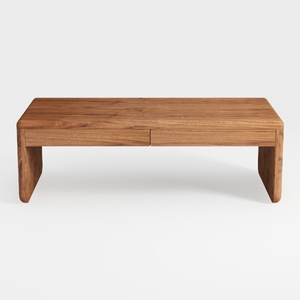
Minimalist Solid Wood Two Drawer Coffee Table 3D Model
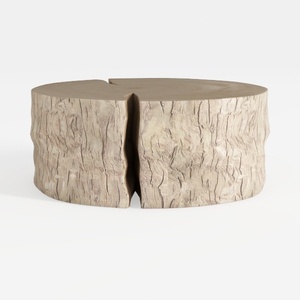
Rustic Solid Wood Split Log Coffee Table 3D Model
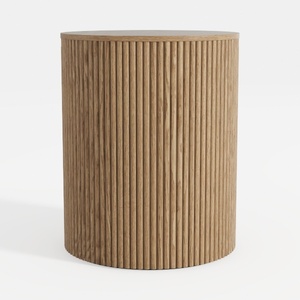
Minimalist Fluted Oak Round Side Table 3D Model
Homestyler is your go-to online platform for transforming your home design dreams into reality. With an easy-to-use design tool, stunning 3D renderings, and a wealth of DIY video tutorials, you can explore endless design possibilities and create beautiful spaces effortlessly.
Projete agora para LIVRE
































