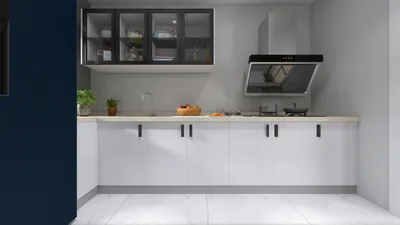
Undertaking a complete home renovation can be both thrilling and overwhelming. The expenditure related to such a comprehensive makeover can fluctuate considerably, influenced by various factors like geographical location, the extent of work involved, selected materials, and more. Generally, homeowners should anticipate spending anywhere from $100,000 to $250,000 on a full remodel. This estimate can vary based on individual preferences and particular requirements.
Factors Affecting the Cost of Full Home Remodeling
1. Location: Costs for labor and materials can vary significantly across different regions. Typically, urban centers face higher expenses compared to countryside areas.
2. Scope of Work: A comprehensive remodel can involve anything from aesthetic updates like new paint and flooring to major structural modifications, such as room expansions or creating additional spaces. The more extensive the renovation, the greater the financial investment required.
3. Materials: Opting for premium materials can elevate your budget substantially. Establishing a financial plan beforehand is crucial to making informed decisions that resonate with your financial goals.
4. Labor Expenses: Engaging experienced professionals may come at a higher price. However, their proficiency can prove to be cost-effective in the long term by minimizing errors and guaranteeing quality workmanship.
5. Permits and Inspections: Depending on your local regulations, you might require permits for specific renovation tasks, which can also contribute to the overall expense.
Planning Your Renovation Budget
To effectively strategize your budget for a complete home renovation, consider these essential steps:
1. Define a Clear Vision: Identify the changes you wish to implement. Having a precise vision will aid in effective communication with contractors and help prevent costly changes down the road.
2. Gather Multiple Estimates: Always collect several quotes from different contractors. This will provide a clearer picture of prevailing rates and assist you in finding a contractor that aligns with your financial plan.
3. Set Aside a Contingency Fund: It’s prudent to reserve 10-20% of your overall budget for unforeseen costs that might occur during the remodeling journey.
Frequently Asked Questions
Q: How can I lower renovation expenses? A: To cut costs, consider tackling some tasks on your own, like painting or landscaping, and opt for more affordable materials. Also, platforms like Homestyler can help visualize budget-friendly designs.
Q: Is remodeling an older home a wise choice? A: Absolutely, a well-planned remodel can significantly enhance the value of an older residence, making it a smart investment, especially when approached thoughtfully.
Q: What are the most costly aspects of a renovation? A: Typically, kitchen and bathroom renovations rank as the most expensive due to their high material and labor costs.






























![Design [4]](https://hs-designs.homestyler.com/production/design/images/07c2de3a-88ec-4be8-8910-ff255b795bc2/1731419398293/7841697.jpg?x-oss-process=image/resize,w_502,m_mfit/format,webp)