

Direct Answer
Contemporary chaise lounge design focuses on modular configurations, gentle contours, durable fabrics, and versatile seating setups tailored for open-plan living environments. Today’s chaise lounge has evolved beyond mere decoration—serving as a key component that enhances comfort, flow, and multifunctionality in modern living rooms.
Quick Takeaways
Introduction
With over ten years of experience in residential interior design, I’ve observed the chaise lounge transition from a luxury accent to a fundamental feature in living room layouts. What was once simply a statement piece tucked away is now central in designing seating arrangements.
The shift is due to changing home designs—open plans, compact urban spaces, and multifunctional areas demand more adaptable furniture. A well-crafted chaise sofa solves multiple spatial challenges: providing lounging comfort, enhancing flow, and subtly dividing spaces.
Clients often ask how to visualize these seating plans. I typically suggest using living room layout planners, like Homestyler, which enable users to experiment with chaise sofa placements and observe impacts on traffic flow before purchasing.
This article explores key trends influencing chaise lounge designs—from materials and modularity to their role in future living room configurations.
save pin
The Evolution of the Chaise Lounge in Modern Homes
Key Insight: The chaise lounge has transformed from an ornamental luxury item into a versatile seating option that anchors contemporary living spaces.
Originally associated with leisure and status in 18th-century France, chaise lounges were crafted for refined reclining. However, current furniture design emphasizes practicality and optimizing space.
Nowadays, chaise designs emphasize:
According to the American Home Furnishings Alliance, sectional sofas—including chaise units—are among the fastest-growing types in North American furniture sales. Designers appreciate their blend of comfort and spatial presence.
An often overlooked benefit is that chaise seating visually stretches room dimensions, making spaces appear wider without extra furnishings.
Current Design Trends in Chaise Sofas and Sectionals
Key Insight: Modern chaise sofas prioritize cozy shapes, modular adaptability, and softer outlines over rigid, angular forms.
Over recent years, furniture styles have shifted from sharp minimalism toward more relaxed, organic profiles. Chaise sofas have naturally followed this transformation.
Prominent design trends include:
From a design perspective, modularity stands out. Increasingly, sectional systems are crafted so the chaise can be relocated, detached, or expanded based on needs.
To ensure these configurations fit well, many interior designers employ visualization tools such as Homestyler for realistic 3D renderings, preventing costly mistakes before furniture acquisition.
save pin
Popular Upholstery Materials and Color Palettes
Key Insight: Texture and long-lasting fabrics now take precedence over luxurious materials when choosing upholstery for chaise lounges.
A decade ago, leather was dominant among premium seating options. However, the trend now favors textured, performance textiles.
Materials that rank highly include:
Designers appreciate these fabrics because they strike a balance between comfort, durability, and a warm visual appeal. In family homes, resilience often outweighs pure aesthetics.
Trending color schemes feature:
An important consideration many buyers miss is upkeep. Light-colored boucle may look stunning but demands more maintenance in homes with children or pets. I always weigh style trends against practical durability.
save pin
How Modular Furniture Is Changing Living Room Layouts
Key Insight: Modular chaise seating enables living rooms to adapt dynamically to evolving household needs.
Few families maintain a single furniture layout for many years. Changes like remote working, entertainment upgrades, and family growth reshape interiors frequently.
Modular chaise systems offer:
In real-world use, a compact two-seat sofa with chaise can later expand into a larger sectional setup.
Designers increasingly utilize digital simulation tools like Homestyler to experiment with chaise configurations across varied room dimensions before committing to purchases.
The modular approach also supports sustainability—adaptable furniture tends to have a longer lifespan.
Answer Box
Current chaise lounge design trends highlight modular versatility, performance-oriented fabrics, and spatial arrangements tailored for open living. Today’s chaise is integral in shaping how living rooms are organized—beyond mere ornamentation.
The Role of Chaise Seating in Open Concept Spaces
Key Insight: Chaise seating acts as a subtle spatial separator within open floor plans.
Open-plan homes eliminate traditional walls between kitchens, dining, and living areas. In this context, furniture pieces must delineate functional zones effectively.
Chaise sofas serve this purpose exceptionally well.
Design tactics include:
This method maintains openness while introducing visible spatial structure.
A frequent homeowner mistake is positioning chaise sofas directly against walls in large open rooms. Pulling them slightly away enhances both movement flow and visual harmony.
save pin
Future Trends in Living Room Furniture Design
Key Insight: Future chaise lounge designs will center on adaptability, eco-friendly materials, and technology-driven design planning.
Several emerging trends already point toward the next generation of chaise seating.
These include:
Furniture makers are responding to lifestyle changes like increased streaming, hybrid work environments, and more home time. Ergonomic depth and support now often outweigh purely decorative factors.
From a design standpoint, a major innovation is how clients engage in decision-making—using visualization applications, digital layout tools, and 3D previews such as Homestyler, which influence purchases well before physical showroom visits.
Final Summary
FAQ
What defines current chaise lounge design trends?
They focus on modularity, soft forms, durable fabrics, and open-concept-friendly layouts.
Why are chaise sofas favored in contemporary homes?
Because they provide cozy lounging while defining living room areas, especially in open floor designs.
Are chaise sectionals suitable for small rooms?
Often yes. Compact chaise sofas maximize seating and lounging without needing extra chairs.
Which upholstery materials are popular for chaise sofas?
Boucle, chenille, high-performance fabrics, and recycled textiles that combine durability with texture are trending.
How do designers position chaise sofas within open layouts?
Typically, the chaise side is used to subtly separate areas like living and dining zones without closing off the space.
Is investing in modular chaise sofas worthwhile?
Absolutely. Modular pieces allow homeowners to customize seating arrangements as their lifestyles and spaces evolve.
What color schemes are in vogue for modern chaise lounges?
Warm neutrals, olive greens, earthy clay shades, and deep tones like navy dominate contemporary palettes.
Will chaise lounges continue to be popular moving forward?
Yes. Industry trends show steady growth in sectional and configurable lounge furniture.

MoNiBloom Zero Gravity Chairs Set of 2 Outdoor
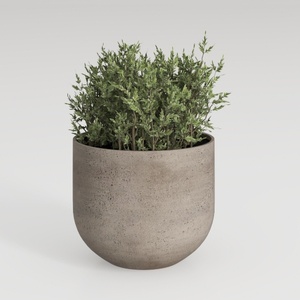
Minimalist Concrete Planter Pot with Indoor Greenery 3D Model

Vintage Velvet Solid Wood Carved Chaise Lounge 3D Model
Homestyler is an easy-to-use online home design platform offering powerful 3D rendering, a vast collection of interior projects, and helpful DIY video tutorials. It’s perfect for bringing your design ideas to life and creating stunning, personalized spaces with confidence.
Projete agora para LIVRE
































