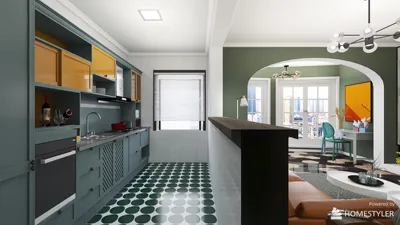


Having designed and renovated numerous compact apartments and enclosed home offices where airflow is restricted and heat accumulates rapidly, I’ve learned that not all cooling solutions function equally in closed spaces. In a completely sealed room, the effectiveness of coolers varies significantly. Evaporative coolers, often referred to as swamp coolers, require fresh, dry air for optimal performance, while portable air conditioners and heat pump units are much more adept at managing closed rooms. The ideal choice hinges on factors like room dimensions, insulation quality, noise tolerance, and the heat produced by lighting, electronics, and occupants. Research from Steelcase indicates that thermal comfort has a direct correlation with workplace performance; individuals experience cognitive performance increases of up to 23% in environments designed for comfort compared to those suffering from thermal discomfort. Furthermore, the WELL v2 standard specifies an operative temperature range of 20–24°C (68–75°F) and emphasizes the importance of humidity control for health and comfort.
The heat load within a room is often more critical than promotional claims suggest. Data from Gensler reveals a consistent link between comfort levels and employee productivity, while findings from Herman Miller identify temperature as a fundamental component affecting performance and fatigue levels. For practical guidelines, aim to maintain indoor humidity between 40–60% and keep noise levels beneath 40–50 dBA for concentrated work according to typical acoustic comfort recommendations. These ranges align closely with the WELL v2 framework concerning comfort criteria, helping you avoid situations like "cold but clammy" or "loud but cool". For an in-depth exploration of comfort standards and their relationship to workplace productivity, consult research summaries from Steelcase.
Understanding How Cooling Operates in Enclosed Spaces
Enclosed rooms tend to capture heat emitted by people (approximately 100W per individual), electronic devices (200–600W for a workstation with monitors), and sunlight. While evaporative coolers can lower the air temperature by evaporating water, they also introduce moisture into the air. This can lead to rapid humidity increase in a sealed room, diminishing the cooler's effectiveness and raising the risk of condensation. Portable air conditioners (PACs) and single-room heat pump systems effectively expel heat through an exhaust hose or external condenser, offering far greater reliability in closed environments. If you're experimenting with furniture layouts or equipment positioning that could obstruct airflow, utilizing a room layout tool like Homestyler can help identify blocked vents and circulation routes before finalizing your setup.
Top Cooling Solutions for Enclosed Spaces
Advantages: Simple installation with no permanent modifications and efficient spot cooling. Disadvantages: Draws some conditioned air from the room to disperse heat, potentially creating slight negative pressure and allowing outside air infiltration. This option suits renters and smaller rooms up to ~250 sq ft with moderate heat levels.
Advantages: Utilizes outside air for condenser intake and exhausts separately, leading to reduced negative pressure. More efficient with faster cooling capabilities. Disadvantages: Usually comes with a higher cost and heavier weight. Best suited for rooms between 180–400 sq ft with heating-producing equipment.
Advantages: Exceptional energy efficiency, continuous reliable cooling. Disadvantages: Needs an appropriate window or sleeve; potential building constraints may apply. Ideal for dedicated home offices or bedrooms, sized 150–450 sq ft.
Advantages: Highest energy efficiency, low noise (often between 19–32 dBA indoors), excellent humidity regulation, capable of both heating and cooling. Disadvantages: Requires professional installation and higher initial costs. Perfect for long-term enhancements in frequently used rooms.
In hot-dry climates with effective ventilation, they can be refreshing. However, in sealed environments, humidity can quickly rise, leading to less effective cooling. They should only be used with open windows or mechanical exhaust; otherwise, it’s advisable to avoid them.
Adjusting Cooling Capacity (BTU and Room Factors)
Begin with area calculations: for portable air conditioners, a standard is approximately 20 BTU per square foot with average insulation. Adjust this number based on factors like solar gain (south/west-facing windows increase by 10–20%), occupancy (+600–800 BTU per additional person at peak use), equipment usage (+300–1,000 BTU depending on the type of devices), and inadequate insulation (+10–30%). For instance, a 200 sq ft enclosed office with two monitors and a desktop computer housing one user may require 7,000–9,000 BTU; if a second individual or direct sunlight is involved, an increase to 10,000–12,000 BTU would be more suitable. Maintaining relative humidity at 40–60% can enhance comfort levels at slightly elevated temperatures, which aligns with WELL v2’s recommendations.
Acoustic, Lighting, and Comfort Factors
Designing for sound comfort is essential. Constant fan noise exceeding ~50 dBA can impede focus in home offices. Opt for models that offer low-sone or silent modes and isolate vibrations with foam padding. Balancing lighting temperatures and glare is also crucial: cool-white lighting (4000–5000K) fosters alertness, but direct glare on screens should be avoided. Position your desk and air conditioning outlets so that air does not blow directly at you, preventing localized cold stress and dryness.
Controls, Air Quality, and Maintenance Practices
When selecting cooling systems, ensure they include features like variable fan speeds, inverter compressor technology (commonly found in mini-split systems), and sleep modes. A washable pre-filter is essential; consider adding a HEPA purifier if allergies are a concern. Drainage considerations are important as well: single-hose PACs might require periodic emptying, while dual-hose and mini-splits typically manage condensation consistently. Cleaning filters monthly during peak usage is crucial to maintain optimal performance.
My Recommended List: Top Air Coolers for Enclosed Spaces
Why this is effective: Functions reliably in sealed environments, quicker cooling than single-hose models, easy installation with a window kit. Opt for units equipped with inverter or variable-speed compressors for quieter functioning and energy efficiency.
Why this model stands out: Excellent energy efficiency with minimal noise. If you own your living space or plan on staying for over three years, this is the ideal choice for a primary bedroom or home office.
What makes it appealing: Affordable and user-friendly. Accept the minor efficiency trade-off; ensure the window kit is properly sealed and keep the door closed to prevent heat exchanges from corridors.
Without proper ventilation, these devices can increase humidity, making rooms feel muggy quickly. They work exceptionally well in open, dry garages with airflow but are not suitable for airtight spaces.
Planning Your Room for Optimal Cooling
Energy Efficiency and Sustainability Considerations
If you are frequently using your cooling systems, prioritize energy efficiency. Mini-splits featuring high SEER2/HSPF ratings provide the lowest lifetime costs and minimal carbon footprints. For portable units, focus on those with elevated CEER values, inverter technology, and eco-friendly refrigerants. Complement cooling methods with passive strategies—such as closing blinds during peak sunlight, integrating LED lighting to minimize heat output, and using smart plugs to reduce phantom power losses.
Essential Buying Guide
Frequently Asked Questions
Applicable cooling options include portable dual-hose air conditioners, window ACs, and ductless mini-splits. These systems efficiently reject heat outdoors, while evaporative coolers are ineffective without ventilation.
For spaces measuring 150–200 sq ft with average insulation, begin with a BTU rating of 7,000–9,000. Adjust capacity upward for direct sunlight, additional occupants, or electronics that produce excess heat.
Absolutely. They mitigate negative pressure by utilizing outside air for their condensers, which enhances cooling efficiency while maintaining room pressure.
Certainly. In a sealed environment, humidity can escalate quickly, reducing cooling efficiency. These units should be used only in conjunction with open windows or exhaust systems.
Select models featuring quiet modes operating below ~50 dBA to facilitate concentration, aligning with common comfort targets in office environments.
It's crucial. Maintaining relative humidity around 40–60% enhances thermal comfort, minimizes mold risks, and optimizes perceived coolness. The WELL v2 guidance on thermal comfort supports this range.
Certainly, provided that proper drainage is maintained and filters are kept clean. Employing sleep mode can reduce fan speed, noise, and drafts.
Utilize a universal window seal kit or a custom acrylic panel tailored to size. Ensure the edges are sealed to prevent hot air from infiltrating.
If you utilize the room frequently or reside in a hot climate, then yes. Mini-splits offer top-notch efficiency, effective dehumidification, and extremely low noise levels.
They can contribute to heat generation. Switching to LED lighting can significantly reduce heat input when compared to incandescent bulbs. Overall, workstations can contribute several hundred watts; this should be factored into BTU calculations.
While not mandatory, a HEPA purifier can enhance air quality in sealed rooms with limited fresh air circulation, improving overall air quality as the air conditioning regulates temperature.
Regularly check and clean filters, monitor and unclog condensate drains, and keep the exhaust hose short and unobstructed. Vacuum the coils annually for window units to ensure proper functioning.
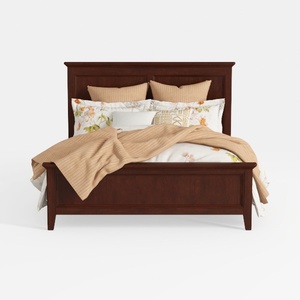

Benzara RYLA Queen Size Bed, Sleigh Panel Headboar

Bedsure Duvet Cover Queen Size - Reversible
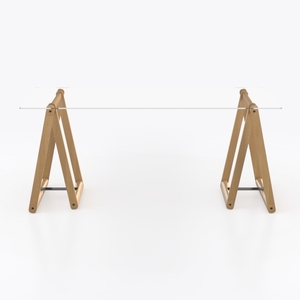
FRITHJILL Modern Desk with Tempered Glass Legs, Fa
Homestyler is an outstanding online home design platform that empowers you to unleash your creativity. With its user-friendly design tool, stunning 3D renderings, a wealth of design projects, and helpful DIY video tutorials, you'll effortlessly transform your living spaces into dream homes.
Projete agora para LIVRE
































