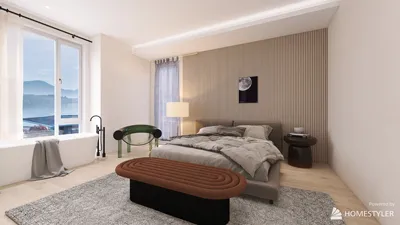


The future unfolds at intersections, where climate, mobility, work, and care converge on key locations. Today's challenge lies in fragmentation—too many rooms serving minimal purposes. Reports by the AIA indicate that households are increasingly favoring adaptable spaces over merely larger square footage, making corner plot house plans ideal interfaces for future living. This concept feels akin to a user interface update poised for implementation, integrating spatial reasoning tools into our everyday lives, thanks to innovative design platforms like Homestyler.
Having exposure on two sides means benefiting from two streets, enhancing light, airflow, and accessibility, all while encountering some privacy challenges. Data from Zillow on buyer preferences continues to emphasize the desire for natural light, home office capabilities, and seamless indoor-outdoor transitions; thus, properties at corner locations represent both a valuable opportunity and a testing ground. I approach design as if working with firmware—creating flexible cores within secure boundaries while ensuring sightlines can smoothly transition between public and private spaces in mere moments.
Dual-Front Living Spine
Design Logic:
A central living-dining-kitchen layout embraces the more illuminated facade, utilizing the corner’s dual aspects to optimize light and cross-ventilation. As lifestyles shift towards remote work, intimate gatherings, and hybrid cooking, this streamlined core maintains extensibility, facilitated by tools like Homestyler for easy modifications.
Flow:
Starting from a quieter street entrance, the space decompresses into a drop zone before allowing seamless navigation to the pantry, kitchen island, dining area, lounge, and patio. Guests effortlessly move through shared spaces without intruding on private areas, ensuring daily routines run without disruptions.
Sightlines:
The design creates layered diagonals leading from the kitchen island to two street trees, using half-height storage to frame the hierarchy—foreground tasks, midground social areas, and a serene background landscape. This thoughtful arrangement helps visualize the home’s dynamic flow effectively.
Storage:
Innovative solutions like toe-kick drawers, cozy banquette bays, and a comprehensive appliance garage provide ample storage; frequently used items are easily accessible within just a few steps, while less-utilized bulk maintains its place in the periphery.
Furniture Fit:
An island measuring 3’6” x 8’ ensures 42” clearance; the dining setup is 36” x 72” and can adapt with a leaf; sofa depth is strategically capped at 38” to preserve essential traffic flow, while a corner swivel chair takes advantage of the views from dual perspectives.
Verdict:
This resilient public core adapts effortlessly to meal prep marathons, video calls, and small celebrations, all while evolving with changing habits over the next five years without needing significant layout changes.
save pin
L-Shaped Private Wing
Design Logic:
The bedrooms and bathrooms are seamlessly integrated into the L shape, providing shelter from traffic-related disturbances and utilizing the bend for sound insulation. Following future trends such as families with roommates or multigenerational living situations calls for adaptable privacy solutions within the design.
Flow:
From the main living area, a welcoming alcove leads directly to the primary suite via a short path, while the secondary rooms can be accessed through a longer route; the laundry area is strategically positioned to efficiently serve both ends.
Sightlines:
There are no direct views from the bedrooms to the street; clerestory windows invite natural light while framed views of the courtyard help stabilize daily rhythms without exposing personal areas to public gaze.
Storage:
Reach-in closets with dual-rail systems, bedside niches, and corridor-depth cabinets for linens provide organized storage; overflow options leading to an attic hatch near the elbow cater to cold storage needs as well.
Furniture Fit:
The primary suite comfortably accommodates a 72” bed with 30” clearances on either side; secondary rooms are designed for a 60” bed that can be customized into twin configurations with a desk; bathroom vanities range from 21” to 24” to maintain smooth door function.
Verdict:
The L-shaped wing operates like a permissions matrix, allowing for nuanced privacy today and the potential to adjust spaces for future needs, whether that involves accommodating guests, welcoming a new baby, or planning for aging in place.
save pin
Corner Courtyard Buffer
Design Logic:
Instead of extending to the street boundaries, I create a corner courtyard, transforming exposure into a manageable microclimate. This open space becomes the thermal and social entryway for the home.
Flow:
The pathway leads from the gate through a planted vestibule and porch area, eventually opening through sliding doors into the main living spine; a service path winds along the adjacent street for deliveries and bike storage, maintaining a clear distinction from social interactions.
Sightlines:
The perimeter walls effectively filter the city into curated vignettes; the extensive glazing forms a long diagonal view across the courtyard, creating a perception of continuity within the interior layout.
Storage:
A bench featuring under-seat storage is placed at the porch, alongside an exterior gear locker built into the fence, plus a designated grill area with weatherproof drawers—ensuring immediate access to outdoor necessities.
Furniture Fit:
The courtyard zones are laid out as distinct grid sections: an 8’ x 8’ area for dining, a 6’ x 9’ lounge space, and 3’ planting strips for privacy elements; awnings extend 5’ to provide shade for the windows.
Verdict:
By transforming the corner into a filtering space instead of merely an opening, this design navigates the challenges of street life today while remaining adaptable to future urban dynamics.
save pin
Final Takeaway
A corner plot house plan transcends mere architecture; it embodies a language of light, privacy, and accessibility at the city’s edge. Variations like corner lot home designs and urban L-shaped options allow us to create flows that feel intrinsic amid evolving demands. In five years, the best corners won’t just stand out; they will demonstrate thoughtful interfaces, emphasizing quality and purpose. From my perspective, the tighter the planning code, the more liberated the daily activities facilitated within, making tools like Homestyler essential for future-focused designs.

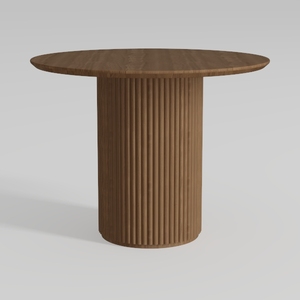
Tribesigns 47" Round Dining Table for 4, Farmhouse
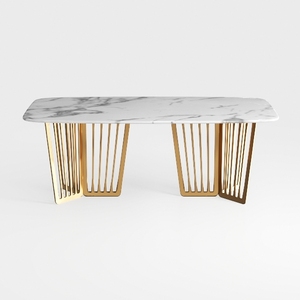

TAPIVA Desk Computer Desks Office Desk Marble Tabl
Homestyler is your go-to online platform for home design! With its user-friendly design tool, stunning 3D renderings, and a treasure trove of design projects and DIY video tutorials, you'll easily transform your interior spaces into inspiring masterpieces. Start designing today!
Projete agora para LIVRE
































