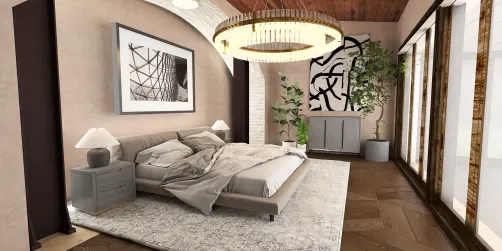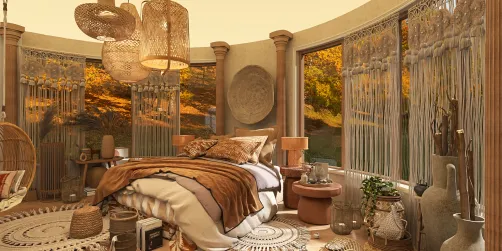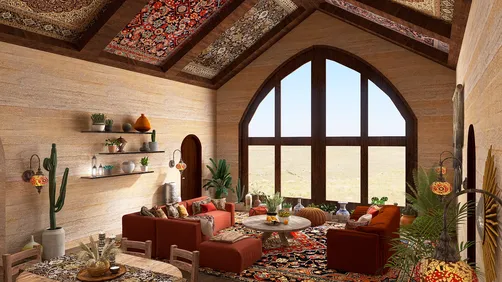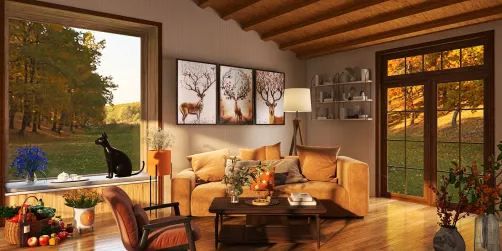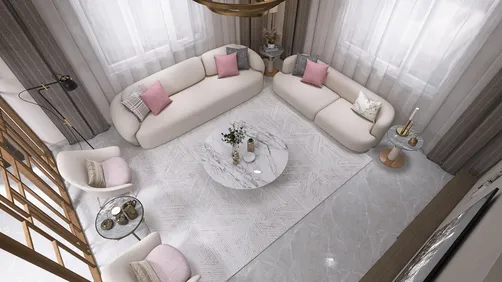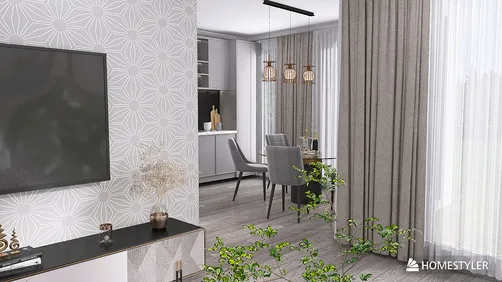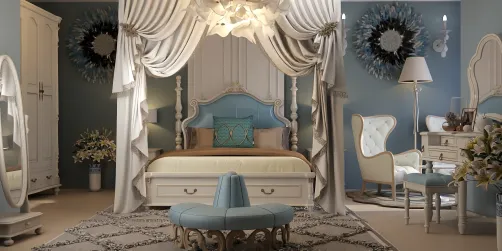
I've crafted numerous cozy country-style living rooms, where every square inch serves a purpose without sacrificing that laid-back appeal. Achieving the best outcomes requires a harmonious mix of tactile materials, layered lighting, and furniture that appears to have been curated over time. Research from Steelcase reveals that thoughtfully designed spaces can enhance perceived functionality and comfort, making individuals feel more relaxed in smaller environments. Moreover, the WELL v2 Light framework highlights the advantages of using various lighting layers and managing glare to ensure visual comfort in living areas.
When it comes to small rooms, scale is crucial. Gensler's research suggests that spaces seem more functional when movement is intuitive and sightlines are clear — concepts that easily apply when decorating our homes. I typically aim for a primary walkway of 30–36 inches, with coffee tables placed 14–18 inches from seating arrangements, and a sofa not exceeding 72–78 inches in tighter spaces. Color plays an important role as well: According to insights from Verywell Mind on color psychology, soft neutrals minimize visual chaos, while muted greens and blues promote tranquility, creating a less cramped atmosphere. Using an interior layout planner, like Homestyler, can help visualize furniture arrangements before finalizing them.
Natural Materials, Honest Textures
Country aesthetics flourish when chosen materials feel genuine. I often combine rough-textured woods with washed linen, soft cotton twill, and cozy wool. It's beneficial to maintain a rhythmic balance: opt for one dominant texture (such as linen slipcovers), a contrasting tactile element (like a chunky wool throw), and a polished surface (like a sleek oak or painted pine table). Stick to a grounded color palette of warm whites, beige, and gentle sage, then incorporate aged metals (antique brass or iron) and handcrafted ceramics to add character.
Smart Scale: Petite, Not Precious
Select furniture that honors the room's dimensions. A compact English roll-arm sofa or a slim settee pairs beautifully with an elegant, skirted chair. Choose open bases and legs to reveal more floor space, creating a visually expansive effect. Nesting tables or narrow lift-top coffee tables can provide essential hidden storage. If you're after a rustic look, a vintage trunk measuring 42–46 inches in length and 18–20 inches in height could serve as an impressive coffee table without overwhelming the space.
Layered Lighting for Warmth and Depth
When light is skillfully layered in small rooms, they tend to feel larger. I follow IES recommendations by combining ambient lighting (using flush-mounts or small chandeliers), task lighting (like swing-arm sconces and table lamps), and accent lights (such as picture lights and candles). Target a brightness level of 200–300 lux for general evening use, with brighter task lighting for reading areas. Warm-white bulbs (2700–3000K) enhance the beauty of wood and textiles, while dimmers allow for a shift in ambiance as the day progresses. Remember to control glare using fabric shades and matte finishes on metal elements.
Pattern with Restraint
Country style thrives on pattern, yet scale and proportion are critical. I often start with a solid-colored sofa, introduce small-scale stripes or checks on chairs, and layer floral or block-print cushions in 2–3 complementary colors. A flatweave rug with a subtle stripe can elongate narrow spaces; in square areas, a repeated motif keeps the eyes engaged without clutter. It's effective to repeat each pattern at least twice (for instance, in cushions and a lampshade) to create visual harmony.
Color Stories that Soothe
Use light colors on walls to reflect natural light — think warm alabaster, creamy whites, or soft mushroom hues. Accentuate with desaturated greens (like sage or olive) and soft blues. Findings from Verywell Mind reveal that these colors promote calmness and serenity. Paint any woodwork a shade darker than the walls to provide a gentle definition without stark contrast, opting for matte or eggshell finishes to reduce glare.
Maximize Vertical Surfaces
Incorporate built-in or freestanding tall bookshelves to draw the eye upwards, offering displays for baskets, treasured items, and woven boxes. Include cabinet doors on the lower third for concealed storage, ensuring upper shelves remain light and airy. A slim picture ledge above a sofa can hold rotating art pieces, botanical prints, or family photographs, adding personality without cluttering the view.
Seating Arrangements that Encourage Conversation
Try to float furniture when feasible. Even a slight 6–10 inch distance between the sofa and the wall creates shadow lines that can enhance the perception of space. Position a chair towards the sofa to form an L-shape, or place two petite chairs directly across from a settee for balance. Maintain a pathway of 36 inches to doors and a 24-inch clearance for secondary routes to minimize bumping and visual congestion. To swiftly explore different setups, an interior layout planner tool like Homestyler can help you visualize clearances and sightlines.
Fireplace and Focal Point Strategy
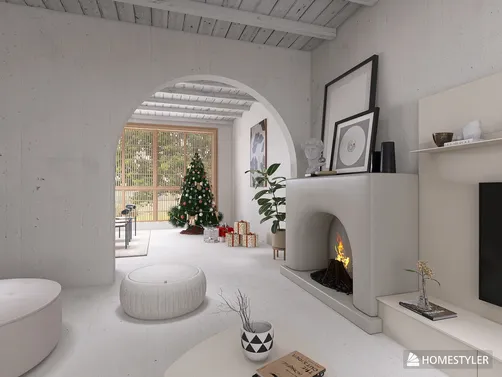
If a fireplace or stove is present, arrange seating to highlight it without obstructing walkways. Maintain a distance of 12–18 inches between the hearth and furniture, complemented by a low, decorative basket for logs and a sleek, matte-black toolset for a minimalist touch. No fireplace? Design a focal point with a console table adorned with layered art, a charming mirror, and matching sconces.
Window Treatments: Soft, Light, and Functional
Natural light is invaluable in smaller rooms. Install curtain rods 4–6 inches above the window frames, extending them 6–9 inches beyond the casings to allow panels to clear the glass and maximize light. Opt for lined linen or cotton fabrics for their softness and control over light; incorporate a subtle blackout roller if the room doubles as a guest area. Roman shades in ticking stripe or textured linen can provide tidiness in narrow spaces.
Rugs that Ground without Shrinking the Room
Select rug sizes that allow at least the front legs of seating to rest on them. In compact spaces, a 5x8 rug can accommodate a small settee and two chairs adequately; a 6x9 is often the ideal size for a cozy sofa setup. Natural fiber rugs (jute or sisal blends) provide both texture and durability; consider layering a wool kilim for added color and pattern without increased height.
Storage that Disappears into the Architecture
Utilize baskets under console tables, lidded ottomans, and window seats with lift-top functionality. Shallow wall cabinets (9–12 inches deep) painted to match the walls blend seamlessly into the decor while providing storage for board games and throws. A peg rail with Shaker pegs can keep hats, bags, and extra cushions tidy and organized.
Acoustic Warmth
Small spaces can sometimes carry harsher sounds than larger ones. Layering textiles helps soften reflections—think curtains, wool throws, upholstered seating, and plush rug pads. Cover hard-surfaced lamps with fabric shades to diffuse high-frequency sounds. Even a filled bookcase can serve as a sound diffuser, enhancing both intimacy and clarity during conversations.
Seasonal Styling with Restraint
Refresh your space by rotating decorative items with the seasons. In spring, display tulips in a stoneware vase and light gingham cushions. For autumn, use tweed pillows and a woven throw. Stick to odd-number groupings for styling and maintain a 60% clear tabletop for an airy feel.
Sustainability with Soul
Prioritize vintage and solid wood furnishings that age gracefully. Select natural fibers—linen, cotton, and wool—and low-VOC paints for improved indoor air quality. Rather than purchasing new, consider refinishing a farmhouse table or reupholstering a quality chair with a machine-washable slipcover for better durability.
Real-World Layout Recipe for a 10x12 Room
- 72-inch tight-back sofa centered on the long wall
- 24-inch round pedestal side table with an accompanying lamp
- 42x18-inch vintage trunk serving as a coffee table
- Two 28-inch-wide open-base chairs across from the sofa
- 6x9 flatweave rug, front legs resting on it
- Slim console table behind chairs with baskets underneath
Explore this arrangement using an interior layout planner to ensure clear pathways and effective traffic flow with a room design visualization tool before rearranging heavy furniture.
Authority Pointers
For enhancing comfort and efficacy, the WELL v2 framework can provide insights on light quality and visual ease, while ongoing research from Gensler presents validated data about how spatial arrangements influence user perception and experience. Both viewpoints assist in making small rooms feel more serene and functional without compromising their unique character.
FAQ
Keep walls adorned in warm light tones (like alabaster or soft cream) and incorporate muted colors in trim or built-in elements (such as sage or putty). Utilize open-base furniture, and position curtains wider and higher to allow for more natural light. Use mirrors sparingly to reflect light while avoiding glare.
Combine a warm ambient lighting option (2700–3000K), two to three task lamps near seating, and one accent light (like a picture light or sconce). Employ dimmers and fabric shades to manage brightness and glare, ensuring compliance with IES recommendations for multi-layered residential lighting.
Certainly—keep larger surfaces (like the sofa and rug) neutral, and introduce bolder patterns on smaller items such as pillows or a single chair. Ensure that repeated colors from the patterns are brought into the space for cohesion.
Look for a sofa with a length of 68–78 inches featuring a tight back and slimmer arms. An apartment or settee style will maintain clear circulation while still providing comfortable seating for two.
Position the television on a low console and complement it with art or sconces to soften its visual impact. You might also consider a framed TV or a fabric panel that can be slid to conceal it when not in use.
Natural fiber blends (like jute-sisal with a soft yarn) or flatweave wool kilims are great options. They provide texture, resist wear, and layer effectively with a cushioned rug pad for additional comfort and sound absorption.
Choose warm off-white shades with hints of gray or green undertones (like cream or mushroom) combined with subdued greens and smoky blues. These colors impart warmth and tranquility, creating a cozy, uncluttered ambiance.
Look for storage solutions such as window seats, lidded ottomans, shallow built-ins that echo the wall color, and baskets tucked beneath consoles. Ensure frequently used items are easily accessible while reserving upper shelves for lighter decor.
Incorporate low, wide furniture, add vertical accents like tall bookcases, hang curtains close to the ceiling, and use upward-facing lights (like sconces or floor lamps) to brighten the upper spaces.
Maintain some distance between seating and the fireplace, keeping 12–18 inches clear from the hearth edge. Opt for a slim coffee table along with a single side chair instead of two bulkier pieces to facilitate smooth flow.
Utilize painter's tape to outline the room or leverage a room layout tool to assess circulation and furniture placements effectively. Verify pathways: 30–36 inches should be maintained for primary routes and 14–18 inches between seating and tables.
Absolutely. Washed linen or cotton slipcovers not only soften the overall aesthetic but are also easy to clean, fostering the inviting, lived-in charm characteristic of country style.


Discover Homestyler, the ultimate online home design platform! With its user-friendly design tool, stunning 3D renderings, and plethora of inspiring design projects, you'll have everything you need to create your dream space. Plus, the DIY video tutorials make it easy for anyone to get started.