


Developing a 3D representation of the muscular system can significantly elevate one's understanding in fields such as anatomy, medical education, fitness, and even artistic endeavors. To embark on this journey, a suitable digital software, reference materials, and a fundamental grasp of human muscle anatomy are essential. Start by collecting comprehensive anatomical illustrations or atlases that showcase various muscle groups such as the deltoids, biceps, quadriceps, and others. Opt for a 3D modeling software like Blender, Maya, or specialized anatomy applications. Initiate the process with the skeletal framework, then methodically construct the primary muscle groups, layering them according to their spatial relationships. Employ sculpting and texturing functionalities to infuse realistic elements, ensuring every muscle connection and fiber orientation mirrors genuine human anatomy. When managing your project, I advise organizing with distinct layers and color coding, which visually distinguishes between superficial and deep muscles, akin to how interior designers utilize layering in Homestyler to elucidate complex layouts.
Strategies for Success:
Adopting a design-centered mindset can enhance your efficiency. Consider each muscle akin to a distinct "zone" within a room—group correlated muscles for easier manipulation and visualization. For increased realism and improved teamwork, it may be beneficial to use tools that resemble a 3D Floor Planner, which facilitates the arrangement of intricate layouts. This concept aligns with the necessity of organization and sequence in anatomical modeling processes.
Frequently Asked Questions
Q: What is the recommended software for modeling a 3D muscular system?
A: Blender and Autodesk Maya are widely favored options, while specialized applications like ZygoteBody maintain a focus on anatomical accuracy.
Q: Is prior anatomical knowledge necessary for accurate muscle modeling?
A: Absolutely, a solid understanding of muscle origins, insertions, and functionalities is crucial for creating realistic models.
Q: How can I enhance interactivity in my 3D model for educational purposes?
A: Utilize platforms that offer layered models and annotation capabilities; some options allow for toggling muscle visibility, enhancing the learning experience.
Q: Can I export my 3D muscular system model for virtual reality applications?
A: Yes, most 3D modeling applications support formats suitable for VR environments such as Unity or Unreal Engine.
Q: Where can I procure reliable muscle references for modeling?
A: References can be found in textbooks like Gray’s Anatomy, various medical atlases, and credible online anatomy resources that provide high-quality imagery.


Solid Wood Dining Chair Rattan Home Retro Chair
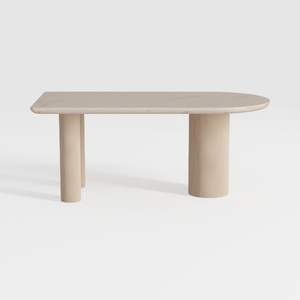
Allan 45 in. Oak Oval Wood Coffee Table with Pedes

Bar Stools Set of 2, Swivel Bar Stools with Walnut
Homestyler is an outstanding online home design platform that makes it easy for anyone to create stunning interiors. With its user-friendly design tool, impressive 3D rendering, and a wealth of DIY video tutorials, transforming your space has never been easier or more enjoyable.
Projete agora para LIVRE
































