


A change in fragrance can instantly alter the atmosphere of a room, but achieving genuinely fresh air comes from proper ventilation, the use of low-emitting materials, and a well-thought-out arrangement. In my designs, air fresheners serve merely as an enhancement rather than a solution—after all, the quality of indoor air and the comfort of our sense of smell play a crucial role in our overall well-being and efficiency.
Research supports this idea. The WELL Building Standard emphasizes that improved ventilation and filtration are essential for healthier indoor environments, connecting reduced levels of volatile organic compounds (VOCs) with increased comfort and cognitive function. Studies by Steelcase have also indicated that employee well-being, including sensory satisfaction, is linked to higher levels of engagement and productivity, highlighting that air quality is a significant factor. For comprehensive guidance on strategies at the building level, WELL (v2) lays out effective approaches for proper ventilation rates, source management, and monitoring.
Scent Strategy: Quick Mood Adjustments and Smart Boundaries
I strategically use scent to create specific intentions: zesty citrus blends for stimulation near entrances, soothing woods for relaxation in lounge areas, and fresh herbal aromas for kitchens and pantries. This concept aligns well with color psychology; humans connect sensory experiences with emotions. In fragrances, bright top notes like lemon and bergamot can invigorate, while deeper base notes like cedar and vetiver provide grounding and calm. Maintaining a moderate intensity is important (think 20–30 minutes of diffusion per hour) to avoid overwhelming the senses and causing olfactory fatigue. Always opt for formulations that are phthalate-free and low in VOCs, steering clear of aerosol sprays wherever possible.
Types of Air Fresheners and Their Ideal Uses
• Reed diffusers: perfect for providing a steady, low-intensity scent in living rooms or bedrooms.
• Ultrasonic essential oil diffusers: offer adjustable output, suitable for concentrated time in home offices.
• Solid gel absorbers: effective at capturing odors in closets, shoe storage, or pet areas.
• HEPA air purifiers with activated carbon: while not a direct source of scent, they are excellent at managing smoke, VOCs, and cooking smells; combining with a gentle diffuser can set an intentional atmosphere.
Flow, Layout, and Placement
The distribution of scent relies on airflow. Position diffusers close to return air paths or along circulation routes so that the fragrances travel rather than concentrate in a particular seating area. In open-plan designs, I align scent sources with natural ventilation paths—the regions between operable windows or at hallway junctions. If you're experimenting with various placements, a layout simulation tool like an interior layout planner, including Homestyler, can assist in visualizing airflow and seating arrangements before finalizing your setup.
Ventilation is Key: Ensuring Freshness That Lasts
Opening operable windows for 10–15 minutes, twice each day, can significantly decrease indoor pollutant levels. For spaces lacking operable windows, utilizing balanced mechanical ventilation along with MERV 13 filtration will greatly enhance baseline air quality. The WELL v2 standard underscores the importance of controlling sources: avoid placing scented products near HVAC intakes to prevent overloading filters, and utilize dedicated exhaust systems in kitchens and bathrooms to minimize odor recirculation.
Lighting, Heating, and Scent Evaporation
Heat accelerates evaporation and can intensify scents. Position diffusers away from direct sunlight and high-output task lighting; strive for a comfortable 2700–3000K ambient color temperature to promote relaxation (in line with best practices from IES regarding glare and luminance). In home office settings, a cooler 3500–4000K can enhance the crispness of citrus scents for focused alertness while avoiding harsh lighting that feels sterile.
Material Choices and Awareness of VOCs
Porous materials—like curtains, rugs, and felt panels—absorb both odors and scents. Opt for washable natural fibers where fragrance reset is crucial, and choose low-emission paints, adhesives, and composite woods (meeting CARB standards) to keep background VOCs minimal so that fragrances come through clear rather than muddied. Carbon filters in purifiers capture odorous substances; changing these filters every quarter maintains performance, particularly in kitchens where cooking odors are prevalent.
Behavior Patterns and Scent Zoning
Align scent profiles with activities. High-traffic zones (like entryways and kitchen pathways) thrive on brief, bright bursts of top notes. In contrast, relaxation areas require low-intensity, earthy or floral base notes that complement circadian rhythms. For homes with multiple users, consider scheduling diffusion sessions—short bursts before guests arrive or post-cooking—rather than maintaining a constant output to accommodate varying sensitivities.
Acoustic and Olfactory Comfort Combined
Noise and scent play significant roles in perceived comfort. While I reduce noise with rugs or acoustic panels, I also avoid dense, sweet fragrances that can feel overwhelming in quiet spaces. Light herbal or forest scents contrast beautifully against subdued acoustics, creating a sense of spaciousness through sound absorption.
Sustainable and Health-Conscious Choices
Select essential-oil-based diffusers with clear ingredient lists, steering clear of synthetic musk-heavy formulations, and remember to recycle glass containers. Timers can help minimize waste and prevent over-scenting. Certain reeds and pads are compostable; always check local recycling regulations. HEPA purifiers can prolong filter lifespan when pre-filters are cleaned monthly.
Strategies for Small Spaces
• Micro-diffusion: set for 10 minutes per hour to avoid overwhelming fragrances.
• Door sweeps and weatherstripping: effective at preventing corridor odors from infiltrating living spaces.
• Targeted carbon sachets: perfect for trapping cooking or garbage odors directly at the source.
• Utilize vertical air movement: a discreet fan on low speed can help distribute scent evenly.
Links to Data-Driven Guidance
For structured frameworks, the WELL v2 guidelines on ventilation and VOC management serve as a solid foundation, and Steelcase's research library provides insights into how sensory comfort enhances wellbeing and productivity. These references are invaluable for making informed choices beyond just aesthetics.
Frequently Asked Questions
Aim for a scent that is subtly present—noticeable in the initial minutes, then fading. I prefer to operate diffusers at low settings in short cycles so that the scent enhances rather than overwhelms.
No. Fragrance can mask odors, but proper ventilation removes pollutants. Utilize operable windows, exhaust fans, and filtration systems, layering fragrance for mood enhancement.
Bright citrus or mint scents are ideal for brief work sessions, but keep diffusion cycles short to prevent habituation. Pair these with 3500–4000K lighting for alertness without glare.
Select low-VOC, phthalate-free products, begin with a minimal output, and avoid continuous diffusion. Ensure fresh air circulation and consider employing HEPA filters combined with carbon filtration.
Keep diffusers near circulation areas but not directly adjacent to seating. Maintain distance from HVAC intakes and avoid direct sunlight to ensure consistent scent dispersal.
Absolutely. Porous fabrics take on and release odors; therefore, opt for washable materials in areas where fragrance resets are important and avoid applying heavy sprays directly onto upholstery.
Utilizing light herbal or airy floral notes, run short diffusion cycles prior to guests’ arrivals, and maintain robust baseline ventilation. Offer fragrance-free options by temporarily ceasing diffusion if needed.
Purifiers effectively eliminate particulates and certain VOCs while fragrance serves to enhance mood. They can be used in conjunction, but do not place diffusers directly at purifier intakes to prevent overloading the carbon filters.
Follow the manufacturer’s instructions; in high-activity kitchens or areas prone to pollution, carbon filters may require changing quarterly to ensure effective odor capture.
Gentle scents like lavender or wood notes can aid relaxation. Maintain a very low intensity, discontinue diffusion 30 minutes before bedtime, and keep ambient lighting warm (2700–3000K).
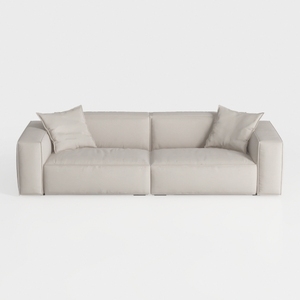
Manhattan Comfort Verandah 112” Chenille Sofa with
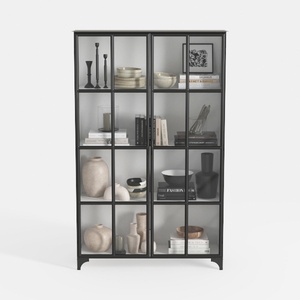
Triple Wide 5-Tier Bookshelf, 70.87" L x 79.13" H
Homestyler is your go-to online home design platform! With its user-friendly design tool, stunning 3D renderings, diverse design projects, and helpful video tutorials, transforming your space has never been easier. Unleash your creativity and start designing your dream home today!
Projete agora para LIVRE
































