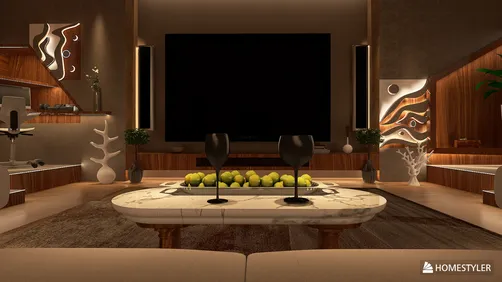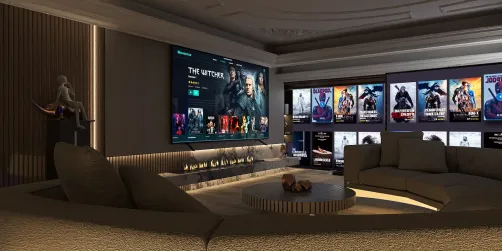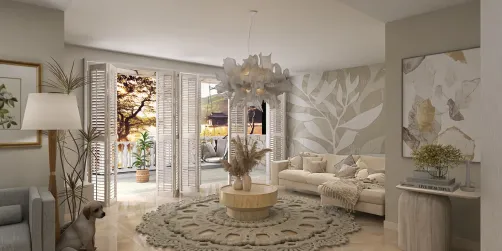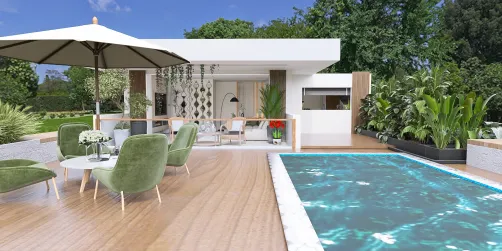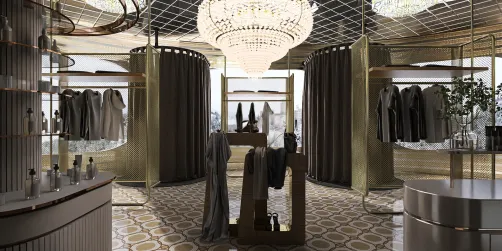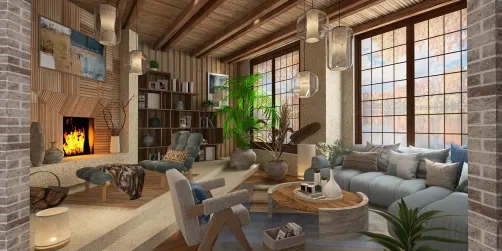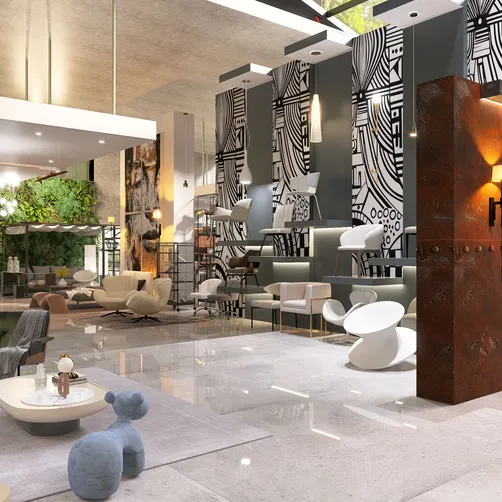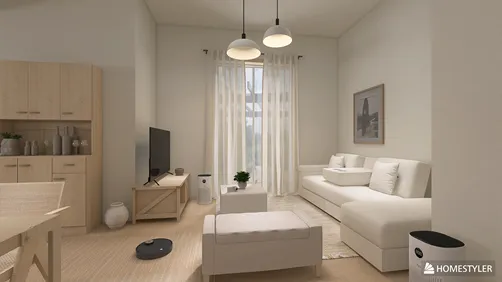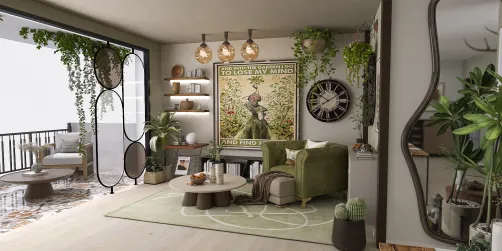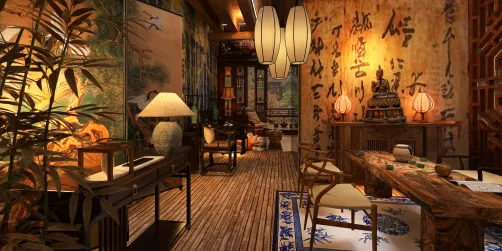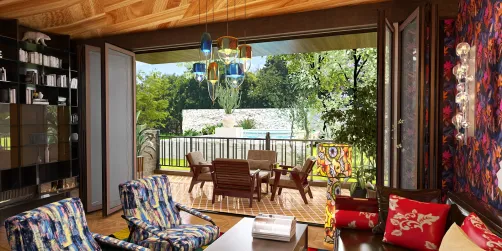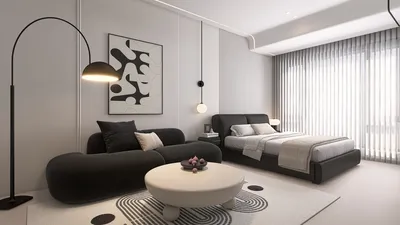
For over ten years, I have been designing studios, innovation hubs, and maker classrooms that actively inspire creation. My concept for Lilly Hall HD embodies a high-definition creative environment: a venue where elements like spatial storytelling, lighting, acoustics, color schemes, and workflow are harmonized, allowing teams to transition seamlessly from concept to implementation.
The dynamics of creative output are not mysterious; they can often be quantified through the environment. According to Gensler’s U.S. Workplace Survey, spaces that facilitate both concentration and teamwork significantly enhance innovation, yet only 43% of employees indicate that they have access to excellent spaces for both focused work and collaboration. Lighting plays a crucial role as well: the Illuminating Engineering Society (IES) suggests a range of 300–500 lux for standard workspaces, while areas that require intense focus, like drawing or modeling, benefit from the higher end of this spectrum, along with adjustable task lights for precision work. These standards provide a reliable foundation, ensuring that creativity is cultivated rather than left to chance.
Well-being and comfort significantly boost the likelihood that solid ideas will evolve into outstanding work. The WELL v2 framework highlights aspects such as glare management, color accuracy, and natural light access as vital to visual comfort and cognitive performance. In most brainstorming spaces, I aim for a 2:1 ratio of ambient to task lighting, tightening it to 1:1.2 for review areas to ensure that color palettes and proofs are accurately interpreted. Throughout various projects, I've observed that when these essential elements are fine-tuned, teams become more efficient—experiencing less eye fatigue, fewer revisions, and more productive feedback sessions.
Creating a Defined Spatial Narrative
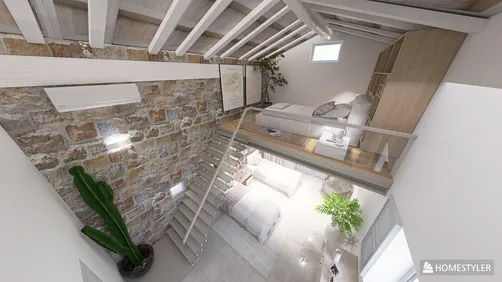
A successful creative environment communicates a distinct narrative from entry to output. I design zones aligned with the creative process: prime, explore, create, review, and share. Transitions between zones should be understandable yet inviting—consider using a low storage unit to indicate a move from quiet sketching to open brainstorming, instead of erecting a solid wall. When quickly assessing spatial relationships, I utilize layout simulation tools for visibility lines, circulation space, and furniture arrangement before finalizing documents using tools like Homestyler.
Lighting That Facilitates Creation and Reflection
Start by maximizing daylight: position collaboration tables within 15–20 feet of windows when possible and employ semi-transparent shades to manage contrast. For ambiance, I target a lighting intensity of 350–400 lux in ideation spaces, with a color temperature of 3500-4000K to maintain energy levels without a clinical feeling. Task areas for sketching or intricate work are equipped with adjustable fixtures that can reach 500-750 lux when necessary, ensuring a Color Rendering Index (CRI) of 90+ for precise color accuracy. Steer clear of high-glare lights above screens, as low-UGR fixtures enhance comfort in critique settings.
Purposeful accent lighting is essential. Utilize wall-wash linear lighting on pin-up boards to guarantee consistent illumination across sketches, preventing feedback from being influenced by shadowed areas. I implement separate dimming controls for ambient, task, and accent lighting, allowing teams to instantly create appropriate atmospheres for brainstorming, building, or reviewing. For color-critical reviews, designated areas can utilize lighting of 4000–4500K with focused beam angles over samples.
Ergonomic Solutions for Extended Creativity
Creative stalling often occurs due to physical discomfort. To mitigate this, I incorporate sit-stand desks in work zones, maintain desk heights between 27-29 inches, and use monitor arms that allow for a viewing distance of 20-30 inches to promote optimal posture. In collaboration spaces, I pair flexible stools with standing height tables to encourage frequent movement, which helps energize the environment. Noise becomes a factor; I aim for NC (Noise Criteria) levels of 30-35 in focus areas and 35-40 in open collaboration zones. Thoughtful design details, like soft table edges, rounded pulls, and organized cable management, can prevent injuries during high-energy activities.
Achieving Acoustic Comfort Without Compromising Energy
Creative environments need a lively buzz, not overwhelming noise. I find balance between hard and soft surfaces: a good rule of thumb for medium-sized studios is to have one sound-absorbing ceiling element for every two reflective surfaces. Incorporating felt baffles above collaboration tables, cork pin-up boards, and rugs under movable whiteboards can help. For maker areas, resilient flooring is effective in reducing noise from wheeled equipment. Adding a layer of light pink noise can shield adjacent focus booths while maintaining the studio's vibrant atmosphere.
Utilizing Color Psychology Effectively
Color serves as an essential tool rather than mere decoration. I favor warm neutral tones combined with muted green accents to ease pre-presentation anxiety, while bold accent colors like vivid blue or coral can invigorate brainstorming environments. Studies indicate that certain colors impact cognition; for instance, blue encourages conceptual thinking while red heightens attention to detail. I apply these as accents to maintain a versatile palette conducive to various tasks without fostering fatigue.
Materials and Sustainable Practices
When possible, I specify low-VOC paints, Greenguard-certified finishes, and recycled-content acoustic panels, along with FSC-certified wood. Work surfaces are typically high-pressure laminate or solid-surface materials with a matte finish to minimize glare. In fabrication areas, I use tops resistant to heat and solvents, particularly near 3D printers or painting stations, as well as magnetic steel panels for easy pin-ups without tools at review walls. Selecting durable and easy-to-clean textiles extends longevity and reduces costs for refurbishing.
Establishing Ratios and Flow
For small studio designs (1,200–2,000 sq ft), I recommend the following allocations: 30% for focus areas (booths and quiet desks), 35% for collaborative spaces (tables and writable walls), 25% for making (benches and storage), and 10% for review and presentations (galleries and display lighting). Ensure circulation paths are 42-48 inches wide in main areas to facilitate movement without hindrance. If prototyping is a core function, consider increasing the making area to 35% and include a wash-down sink within a short distance of the workbenches. To gain quick stakeholder approval, I sketch multiple design options and test them using an interior layout planner to address visibility and circulation issues effectively: using tools like Homestyler can enhance this process.
Understanding Behavioral Patterns and Spatial Intent
Effectively designed studios direct behavior. The placement of pin-up walls along pathways encourages visitors to engage and offer insights. Snack stations adjacent to collaboration zones naturally gather cross-disciplinary teams. I designate specific areas, such as a ‘no laptop’ table, to promote analog sketching in initial concept stages, then guide deeper digital work to adjacent booths. By creating clear affordances, the room acts as a prompt for creative endeavors rather than just a container.
Enhancing Technology, Power, and Data Utilization
Implementing power outlets every 8-10 feet, supplemented with floor boxes under collaboration tables, reduces cable clutter. Utilizing wireless casting for displays ranging from 55 to 75 inches encourages swift sharing; coupling this with ceiling mic arrays facilitates hybrid review sessions. In maker spaces, it's beneficial to separate dust-producing tools, integrate dedicated exhaust systems, and maintain a fire-rated cabinet for flammable materials. Additionally, organizing storage by activity—labels like 'model,' 'render,' or 'print'—promotes efficient cleanup.
Effective Lighting Controls and Glare Management
Layered control is crucial. Adopting a three-scene preset—Idea, Build, Review—enables swift atmospheric shifts. Use indirect ambient lighting to prevent glare on screens, and integrate microprismatic lenses in areas dominated by monitors. In daylight-rich environments, employing automated blinds with manual overrides protects critique zones from afternoon glare. It is important to remember that perceived brightness often hinges on contrast; strategically positioned bright accents near visual tasks can enhance the overall space rather than flooding it with light.
Emerging Trends in Creative Workspaces for 2024-2025
Modern teams seek adaptable environments that can rapidly transform. Features like mobile writable partitions, magnetized gallery tracks, and versatile task lighting streamline reconfiguration. Incorporating biophilic elements—using planters or natural textures as soft separations—promotes well-being and reduces stress levels. Sustainable modular systems allow spaces to evolve alongside projects, minimizing the financial burden of costly renovations. Hybrid collaboration has become standard, necessitating planned camera sightlines and dedicated acoustic areas both be built into the design.
Relevant Metrics to Monitor
I focus on metrics including the time taken from meeting to prototype creation, the frequency of rework following reviews, and spatial utilization rates across different zones. A well-balanced setup—incorporating quiet and collaborative spaces—aligns with studies demonstrating a correlation between the freedom to select work modes and elevated innovation outcomes. Independent lighting, effective glare management, and precise color fidelity are all reflected in established IES guidelines to ensure high-quality critique processes.
A Starter Kit of Essential Specifications
- Ambient: 350–400 lux, 3500–4000K, and low-UGR fixtures
- Task: up to 500–750 lux, with CRI 90+ adjustable arms
- Review wall: evenly distributed wall-wash lighting, 4000–4500K, with independent dimming
- Acoustics: NC 30–35 for focus areas; NC 35–40 for collaboration spaces, equipped with felt baffles and cork surfaces
- Furniture: incorporating sit-stand desks, perching tables, and rounded edges for safety
- Spatial Ratios: starting from 30/35/25/10 (focus/collaboration/creation/review) with adjustments based on project requirements
- Technology: providing wireless casting, ceiling mics, and under-table power boxes
Exploring References and Further Reading
For insight into how spatial design affects performance, Gensler’s workplace studies present comprehensive data on work mode choices and innovation. Additionally, for guidelines on lighting goals and visual comfort, the standards set forth by IES continue to provide a robust framework for balancing ambient and task lighting effectively.
Frequently Asked Questions
Q1. What illuminance levels should I aim for in a mixed creative studio?
A1. Maintain ambient light levels between 350-400 lux for collaborative areas, while task lighting should reach up to 500-750 lux for detailed work like drawing or material review. Aim for a CRI of 90+ and ensure dimmable options for both task and accent lighting.
Q2. How can glare be minimized without dimming the entire room?
A2. Employ indirect ambient fixtures to reduce glare, use low-UGR options above screen zones, and implement microprismatic lenses. Wall-wash lighting on pin-up boards can help control contrast, allowing for comfortable visual transitions.
Q3. What are the appropriate acoustic targets for brainstorming and focus areas?
A3. Plan focus areas to achieve NC levels of 30-35, while open collaboration should target NC levels of 35-40. Utilize ceiling baffles alongside cork pin-up boards and rugs, and install soft dividers to buffer louder maker spaces from quieter zones.
Q4. What color temperatures are ideal for review walls and material libraries?
A4. Opt for 4000-4500K lighting with CRI 90+ for the review wall to ensure color accuracy, and consider wall-wash lighting for even illumination across samples.
Q5. What starting ratio for space allocation should I keep in mind?
A5. For compact studios, begin with a 30% focus, 35% collaboration, 25% making, and 10% review/presentation breakdown. If prototyping is a key function, allocate more space to making and integrate necessary utilities.
Q6. How can I design for hybrid collaboration without compromising acoustics?
A6. Integrate camera sightlines into the spatial design, install ceiling microphones, and create semi-enclosed huddle areas with absorptive surfaces. Illuminate faces directly while avoiding glare on screens to enhance video quality.
Q7. What ergonomic strategies should be prioritized for lengthy creative sessions?
A7. Implement sit-stand desk options, provide perching alternatives, utilize adjustable monitor arms, and ensure rounded edges for safety. Maintain primary pathways at 42-48 inches wide to facilitate movement during busy collaborative activities.
Q8. How can I keep a workspace adaptable to evolving project requirements?
A8. Incorporate movable writable partitions, clamp-on lighting, modular storage solutions, and magnetic gallery systems. Design power access in a grid layout to enable easy furniture reconfigurations without extensive rewiring.
Q9. What indicators validate that the space is functioning as intended?
A9. Monitor metrics like the time from meetings to prototypes, rates of rework following critiques, and how efficiently different zones are utilized. If focus areas are frequently overbooked, consider rebalancing the arrangement to include more quiet spaces.
Q10. How should daylight be integrated into the workspace layout?
A10. Position collaboration tables within 15-20 feet of windows, utilizing adjustable shades to contribute to glare management. Ensure that screens are oriented perpendicular to windows to minimize reflections, and provide supplemental task lighting for overcast days.
Looking to elevate your home design experience? Homestyler offers an easy-to-use online design tool, stunning 3D renderings, an array of design projects, and helpful DIY video tutorials. It’s the perfect platform for both beginners and seasoned decorators to unleash their creativity!