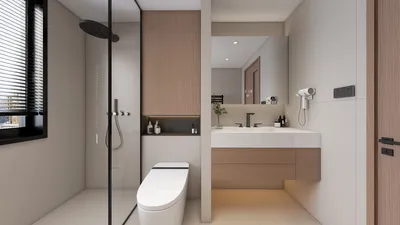


In designing numerous residential spaces and small office interiors, it is essential to ensure comfort by effectively keeping insects out without sacrificing air quality, acoustics, or the overall design aesthetic of a room. Selecting the ideal insect repellent goes beyond simply picking a spray; it's about employing a comprehensive approach that includes barriers, behavioral modifications, and targeted products tailored to the room's dimensions, ventilation, and intended use. Utilizing tools like Homestyler can help visualize and refine these designs more effectively.
Real-world performance is crucial to enhance comfort. Research from Steelcase indicates a direct link between comfort and productivity, with employees experiencing up to a 16% performance boost when distractions, including insects, are minimized (Steelcase Research). The WELL v2 Standard highlights the importance of ventilation and pollutant management for occupant well-being, noting that improper use of certain repellents can release volatile organic compounds (VOCs) that impair indoor air quality (WELL v2 – Air). My recommendations focus on efficacy, exposure levels, noise impact, and maintenance requirements.
Core Strategy: Multilayered Defense for Spaces
Spaces benefit from a tripartite defense structure: 1) environmental and physical controls such as screens, door sweeps, and humidity regulation, 2) safe, passive repellents like plug-ins, natural sachets, and spatial traps, and 3) targeted low-residue actives for sporadic use. This approach minimizes chemical exposure, aligns with WELL principles for air quality, and helps to reduce noise and visual clutter. In my planning process, I emphasize sealing gaps and managing airflow before introducing devices that are low-noise or low-odor, reserving sprays for exceptional circumstances.
Leading Types of Indoor Repellents
These are especially suitable for bedrooms and compact living areas where serene, continuous protection is vital. Electric mats or liquid diffusers release a controlled amount of repellent (usually pyrethroid-based). Advantages include steady coverage, minimal noise, and even distribution. However, they require outlets, and it’s essential to verify product labels for indoor usage as well as follow WELL v2 Air guidelines for ventilation. Based on my experiences, these devices perform optimally in rooms measuring 90–150 sq ft when placed near entry points and positioned 2–3 feet from bedding and return air grilles.
Marketed as silent to humans and chemical-free, these devices emit high-frequency sounds. Results vary; while some users observe reductions in crawling pests, others notice little change. They are virtually odorless and require little maintenance, though their effectiveness can be sporadic. I recommend using these products only as supplementary measures, not as the main line of defense.
Natural scents like cedar, peppermint, citronella, and lemongrass can effectively repel certain insects while enhancing the overall scent of a room. They should be considered as supporting elements rather than standalone solutions. To maintain their potency, it’s advisable to refresh or rotate oils weekly and pay attention to any sensitivities, as WELL v2 raises fragrance concerns for susceptible individuals.
For eco-friendly pest capture, sticky traps placed near window sills or under furniture quietly help reduce crawling insects. Enclosed UV light traps can effectively manage flying pests without producing audible sounds. Select shielded units to prevent glare; I adhere to IES recommendations to ensure luminance-controlled devices remain out of direct sightlines for visual comfort in living and resting spaces.
Utilizing sprays for immediate eradication is ideal for perimeter treatment around baseboards or window frames during peak infestation periods. It's important to opt for low-odor, water-based products, ensure proper ventilation, and refrain from routine nightly use in occupied bedrooms. Apply sprays with windows ajar and vacate the room for the recommended reentry period stated on the label to maintain air quality, in line with WELL’s pollutant thresholds.
Placement Approach by Room Type
In bedrooms, prefer plug-in mats or shielded light traps, positioning devices 2–3 feet away from pillows and air intake vents. For living rooms, integrate door sweeps, regularly maintain screens, and discreetly position traps near entrances. Kitchens should see an avoidance of scented oils close to food prep areas; instead, use sticky traps in inconspicuous toe-kicks while ensuring adequate exhaust systems. In bathrooms, humidity control is paramount—aim for 40–50% relative humidity to deter silverfish and mites; a low-profile trap placed near the vanity suffices in most cases.
Room Dimensions, Airflow, and Comfort Levels
To achieve effective coverage, consider the volume of the room and airflow patterns. In still air conditions, a single plug-in typically suffices in small bedrooms; however, strong air circulation or cross ventilation might dilute effectiveness, necessitating strategic placement near entry points. For acoustic comfort, I avoid loud zapping traps in sleeping areas and prefer using enclosed, fanless units. Acoustic tranquility is crucial for quality sleep, leading to better performance the following day (refer to Steelcase Research on minimizing distractions).
Illumination, Color Use, and Behavioral Influences
Employing warm-white ambient lighting (2700–3000 K) with shielded optics helps to minimize glare—is particularly useful when utilizing light traps so they don’t interfere with general lighting. Dark, cluttered corners tend to attract insects; ensuring balanced lighting and tidy baseboards can minimize these issues. According to color psychology, cooler shades create a fresher, cleaner feel for occupants, encouraging neater habits, yet color alone isn’t a deterrent—behavior and consistent maintenance are what truly make a difference.
Materials and Finishes that Deter Pests
Opt for tightly woven textiles for drapes, sealed-edge area rugs, and gently wipeable, low-VOC finishes. Position furniture close to walls and elevate pieces on legs to facilitate easier vacuuming. In rental properties or compact studios, consider modular storage with flush backs to prevent nesting. Regularly applying silicone sealant at window perimeters quarterly can prove more effective than many chemical sprays.
Layout Importance: Block Entries, Direct Airflow
Prior to introducing devices, I examine the room’s envelope—checking thresholds, door gaps, and screen integrity. Arranging furniture so that beds or sofas aren’t placed directly against drafty sills significantly reduces encounters. When mapping furniture and airflow, I prototype arrangements using a room layout tool, like Homestyler, to plan device placement near entry points while keeping them out of direct sightlines for a tranquil atmosphere.
room layout tool
Safety and Exposure: Keep It Low and Local
For shared spaces with children, pets, or sensitive individuals, prioritize enclosed traps and passive methods initially. Always comply with product instructions; many plug-ins advise positioning away from bedding and aquariums. Continuous ventilation is essential—WELL v2 underscores the need for both source control and adequate air changes to effectively manage indoor pollutants.
My Recommendations by Scenario
Primary: Electric mat or liquid plug-in; Backup: Shielded light trap; Support: Cedar sachet in the closet; Perimeter: Silicone seals and door sweeps.
Primary: Door sweep plus tight screens; Backup: Enclosed UV trap by the door; Support: Sticky traps behind the console; Spot: Low-odor aerosol at the sill (used as needed).
Primary: Screens and meticulous food storage; Support: Sticky traps beneath the sink and toe-kicks; Avoid heavy fragrances; Extend exhaust runtime post-cooking.
Maintenance Routine
• Weekly: Vacuum baseboards and areas behind furniture; refresh natural sachets. • Monthly: Replace plug-in mats/liquids according to the manufacturer's schedule; examine screens. • Quarterly: Reseal gaps around windows and doors; deep clean closets and beneath beds. Regular small maintenance tasks can significantly reduce reliance on potent chemicals while maintaining a harmonious interior feel.
Data-Driven Priorities and Guidelines
Two main principles guide these decisions: occupant comfort directly correlates with improved task efficiency (Steelcase Research), and indoor pollutant control is critical in any chemical strategy (WELL v2 Air). Where feasible, always aim to use the least invasive and lowest-emission solutions available.
Frequently Asked Questions (FAQs)
Start by implementing physical barriers such as screens and door sweeps, maintain a relative humidity of 40-50%, and incorporate enclosed sticky traps or shielded light traps. If contemplating the use of a plug-in, position it away from cribs and adhere to product guidelines. Prioritize ventilation and avoid regular aerosol use.
Feedback has been mixed. These devices require little effort and are odorless; however, I consider them a secondary form of support. Optimally combine them with sealing gaps and installing traps to achieve better results.
Aromas like cedar, peppermint, citronella, and lemongrass can effectively deter some insects. Use them in mild concentrations, refresh them regularly, and be cautious of sensitivities since certain scents may irritate some individuals.
In compact bedrooms, one plug-in is often sufficient, while larger spaces or strong airflow conditions may necessitate additional devices positioned near main and secondary entry points. Avoid placing devices directly under air supply vents.
Select an enclosed unit minimizing light spill and position it in the darkest corner, away from the bed. Ensure ambient lighting remains warm and subdued to reduce contrast.
When used excessively, aerosol sprays can increase indoor pollutants. Save these for specific situations, ensure adequate ventilation, and respect reentry timings. The WELL v2 Air concept stresses the importance of both source control and effective ventilation.
Opt for enclosed traps and passive barriers in environments shared with pets. Keep plug-ins out of reach of animals and verify pet safety on product labels, avoiding essential oils that could harm certain pets.
Absolutely. Slightly distance furniture from drafty sills, seal gaps around baseboards, and cluster devices near entry vectors. A quick layout session using an interior layout planner, like Homestyler, can aid in visualizing placements while keeping devices discreet.
Not directly. Smooth, sealed finishes and tightly woven textiles facilitate cleaning and minimize pest habitats. Well-balanced lighting can deter dark hiding spots.
High humidity levels encourage silverfish, mites, and mold growth. Aim for a relative humidity of about 40-50% using exhaust fans or dehumidifiers, which also contributes to overall comfort.
Electric mats, liquid plug-ins, and fanless enclosed light traps are ideal. Avoid noisy zapping grids and fans in sleep areas to maintain acoustic serenity.
Physical sealing provides immediate results; plug-ins and traps typically show discernible reductions within 2–7 days depending on the severity of the infestation.
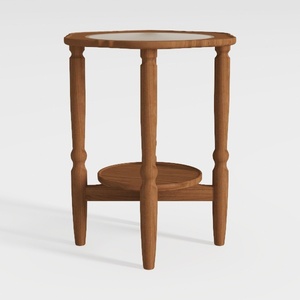

HOOBRO Small Round Side Table with Charging
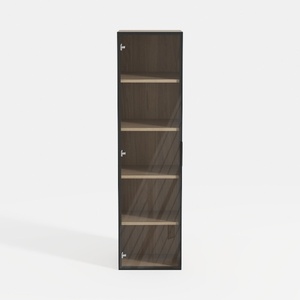
Home Square 5-Shelf Engineered Wood Bookcase Set
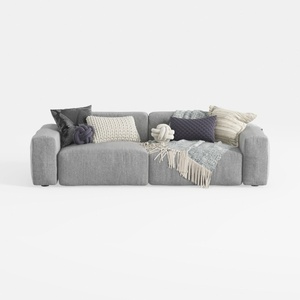
Sectional Sofa Cloud Couch Compatible with Living
Homestyler is your go-to online home design platform that makes interior decorating easy and fun! With its user-friendly design tool, stunning 3D renderings, inspiring design projects, and helpful video tutorials, turning your design dreams into reality has never been more accessible.
Projete agora para LIVRE
































