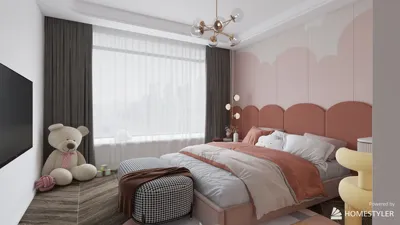


Over the past ten years, I have honed my skills in maximizing small spaces where every inch serves a purpose. In compact homes, luxury is not defined by extravagance but rather stems from the thoughtful choices made—ensuring lighting meets our needs, selecting materials that age gracefully, and incorporating stealthy storage solutions. The objective is to create an environment that appears well-organized and functions seamlessly, aided by tools like Homestyler for planning.
Creating Luxury in Small Spaces
Effective design thrives on performance, especially within limited layouts. According to WELL v2 standards, ambient lighting should range from 200 to 300 lux for living areas and 300 to 500 lux for kitchens, enhancing visual comfort while minimizing glare. Research by Steelcase suggests that reducing visual clutter and cognitive strain enhances productivity and well-being, a concept that directly applies to the essence of residential micro-luxury by emphasizing clarity in circulation and smart storage solutions. These insights keep our compact homes feeling spacious and rejuvenating.
Proper Lighting: Layers, Glare Management, and Color Schemes
The experience of light becomes palpable when it is skillfully executed. I implement a tri-layer approach: ambient (soft illumination using cove or recessed dimmable LEDs), task (focused lighting at 3500–4000K for kitchen and workspace), and accent (warming hues of 2700–3000K for art and textured surfaces). Adhering to IES recommendations for luminance ratios is crucial—eliminating harsh contrasts by avoiding intense spots next to dark areas and using indirect fixtures to soften the light distribution. For spaces with low ceilings, low-profile downlights with less than 10% UGR paired with wall grazers create an illusion of elevation without adding bulk. Well-placed light can expansively enhance the perception of a small home.
Understanding Color Psychology: Neutral Tones with Bold Touches
Color choices significantly influence how we perceive space and our emotions. Based on established color psychology principles, cooler, muted shades tend to create an illusion of larger spaces, whereas warm neutrals foster a welcoming intimacy—both strategies are effective when complemented by high-CRI lighting. I advocate for continuous floor designs (like light oak or terrazzo) while saving bold colors for select accents, such as a calfskin-blue cabinetry interior or a rust-hued fabric. The goal is to create visual rhythm with subtle areas of focus, allowing the eye to wander comfortably across the space without strain.
Proportional Design: Clear Lines and Flow
The essence of small luxury lies in its simplicity and balance. I ensure circulation pathways are at least 900–1000 mm wide while maintaining sightlines from entryways to windows to encourage light flow. Doors are designed to swing away from corners while storage solutions cleverly conceal themselves behind flush panels to maintain a clean aesthetic. When designing a studio or a one-bedroom unit, I start with a defined organizing axis—such as a kitchen run or media wall—and allow ancillary elements to align with that line for coherence. Using an innovative room layout tool, like Homestyler, allows for swift testing of various configurations without the guesswork.
Choosing Materials: Emphasizing Texture Over Trends
Luxury is conveyed through touch and durability. In compact residences, I tend to favor matte finishes over glossy ones to minimize visual distractions. I like to combine textured woods (such as rift oak and walnut) with enduring materials (like lime wash plaster and stone composites) while sticking to a palette of 3-4 finishes throughout the space. Opting for solid metal fixtures, mitered cabinetry edges, and thin door reveals contribute to an understated yet sophisticated craftsmanship. Additionally, sustainability is important: selecting engineered wood with low-emission adhesives and high-recycled content tiles enhances both performance and conscience.
Seamless Storage Solutions
The key to achieving compact luxury is integrating hidden storage. I design full-height wall storage with a depth of 300-400 mm fitted with concealed pulls, use toe-kicks as integrated drawers, and strategically place shallow cabinetry along pathways to maintain an airy feel. In sleeping quarters, upholstered headboards can cleverly hide reading lights and storage niches, while in living areas, benches can lift to offer seasonal storage. My objective is to allocate at least 12-15% of the floor area to storage in micro dwellings, all while ensuring these elements remain discreet so that the overall space retains a clean look.
Acoustic Serenity: Quiet is Key
Addressing noise pollution is crucial from the outset. Hard surfaces (like plaster and stone) tend to reflect sound, while softer materials (such as wool rugs and upholstered panels) absorb it. I target an NRC rating of 0.65 to 0.75 in carefully selected panels positioned near media centers and workspaces, layering sheer and lined drapery to temper outside noise. Doors with solid cores paired with perimeter seals elevate perceived luxury beyond the visual appeal; quietude is truly a significant upgrade.
Consideration of Human Factors & Ergonomics
The layout of small spaces can pivot between success and failure depending on ergonomic design. Countertops should be at a height of 900 mm, dining seats around 450 mm with a clearance of 300 mm, and desk heights should fall between 700 and 740 mm for optimal comfort. Handle placement should span between 900 and 1100 mm AFF for intuitive reachability. Thoughtfully designed sightlines—such as seating oriented for the best view while avoiding direct glare—cultivate an underlying sense of care that customers will notice and appreciate.
Kitchen and Bath: Luxury Demands Precision
Optimally designed compact kitchens shine through with uninterrupted work surfaces, integrated appliances, and programmable lighting. I maintain a tightly-knit working triangle and advocate for induction cooktops that enhance safety in narrower spaces. Storage should extend out rather than stack vertically; deep shelves can be inefficient compared to drawers. Bathrooms benefit from large-format tiles that minimize grout lines, mirroring storage units to reflect light, and thermostatic valves for temperature control. Investing in heated flooring for a small bath is an indulgence that feels luxurious in daily routines.
Furniture Choices: Fewer but Better
Select multi-purpose furniture with sleek profiles: a stone-topped dining table that also functions as a desk, a sofa optimized for depth (800–900 mm) to encourage proper posture, and nesting tables that tuck neatly under a console. Maintain generous clearances around fewer pieces. Aligning the edges of furniture—sofa, console, artwork—enhances a sense of order, and slightly floating furniture from walls contributes to depth perception.
Maximizing Daylight, Privacy, and Layered Treatments
Natural light is perhaps the most precious resource for small spaces. Light sheer panels in 3000-3500K enhance brightness in rooms, while blackout treatments regulate the circadian rhythm in bedrooms. WELL guidelines encourage maximizing daylight access and management; pairing this with glare controls via low-transmission films or external shading is advisable. In tightly built urban environments, clerestory windows and ribbed or frosted glass can preserve privacy without blocking light.
Thoughtful Styling: Art, Literature, and Ambiance
Personal luxury in small spaces often emerges through restraint: a pair of striking art pieces, a modest collection of books, and a singular sculptural lamp can be far more impactful than a myriad of decorative accessories. Opt for a coherent scent profile—like cedar, vetiver, or citrus—and keep floral arrangements uncomplicated. The more subdued the styling, the more the architecture can shine.
Budgeting Wisely: Allocate for Visible Impact
Invest in quality touchpoints: durable door hardware, high-grade faucets, dimmable drivers, and quality textiles. Save costs on concealed components by utilizing engineered materials for increased resilience. Luxury in small spaces is built on numerous subtle yet impactful decisions.
Common Questions
Aim for ambient lighting around 200-300 lux, utilizing dimmable controls and layering task lighting at seating areas to promote relaxation and avoid flat illumination.
Employ 2700–3000K lighting for evenings and 3500–4000K for tasks in kitchens or at desks, ensuring consistency within each zone to lessen visual fatigue.
Establish a unified organizing axis—like a continuous storage wall—and align the edges of the furniture accordingly. Utilize an interior layout planner to visualize your options with ease, particularly with tools like Homestyler.
Incorporate layers of textiles—like wool rugs and lined drapes—and introduce upholstered seating. Use a limited number of high-NRC panels near media centers rather than covering entire walls.
Generally, shiny finishes can amplify reflections and visual clutter. Opting for matte or satin finishes often conveys serenity and sophistication.
Target 12–15% of the floor area to be dedicated to storage, ensuring it is distributed across full-height walls and built-ins so that the space remains uncluttered.
Incorporate continuous countertops, induction cooktops, and pull-out drawer systems. Integrate under-shelf lighting and refrain from heavy overhead cabinets in constrained areas.
Materials such as solid hardware, meticulously detailed wood veneers, engineered stone, and lime wash plaster convey a sense of quality—maintaining a compact palette enhances the perceived richness.
Absolutely. Adhering to WELL v2 standards and utilizing adjustable or dimmable lighting lessens strain and supports natural circadian rhythms, amplifying comfort within the space.
Blend sheer curtains with blackout liners and utilize frosted or ribbed glazing for adjacent windows. Clerestory windows serve to maintain privacy while allowing light to filter in.

Yaheetech 56.5" W Modern Loveseat 2 Seater Sofa Lu

Fluted 9 Drawers Dresser, 59.1" Wide Modern Chest

Looking to redesign your space effortlessly? Homestyler offers an intuitive online design tool, stunning 3D renderings, and a wealth of design projects. Plus, its helpful DIY video tutorials make it easy for anyone to create their dream home. Start designing today!
Projete agora para LIVRE
































