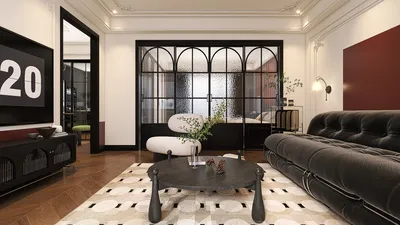


The design of labour rooms significantly affects the birth experience, often more than any specific medical protocol. As a designer who has partnered with obstetric teams and hospital facility managers for over a decade, my emphasis lies on the nuanced yet important factors such as lighting, acoustics, ergonomics, circulation, and materials. These elements can either mitigate anxiety and errors or potentially increase them. In optimally designed spaces, stress for patients and fatigue for staff are minimized, leading to enhanced decision-making and improved safety.
In practical terms, even minor adjustments to the environment can yield substantial benefits. For instance, the WELL v2 guidelines indicate that providing appropriate circadian lighting and controlling glare can enhance mood and alertness, backing up the use of tunable lighting within the 2700–5000K range. This aligns with insights from WELL’s Light concept. Similarly, studies from Herman Miller demonstrate that better ergonomic practices lead to reduced musculoskeletal issues among clinical staff, enhancing comfort and accuracy during lengthy shifts. These benchmarks, tailored specifically for maternity care settings, guide numerous spatial planning decisions outlined next. For detailed criteria on light and wellness, refer to WELL v2 (v2.wellcertified.com), and for ergonomic principles, check Herman Miller Research (hermanmiller.com/research).
Design Objectives for Safer, More Tranquil Birth Spaces
My guiding vision is to create labour rooms that are not only clinically efficient but also provide emotional support. These spaces must facilitate quick interventions, ensure privacy, and lessen cognitive burdens. Core objectives include reducing auditory stress, delineating clear pathways for staff workflows, ensuring easy ergonomic access to essential equipment, adjusting lighting for the various stages of labour, and creating family-friendly zones that do not disrupt clinical workflows.
Lighting: Adapting for the Stages of Labour and Visual Ease
The lighting in these rooms must balance comfort and procedural visibility. I advocate for layered lighting solutions: warm ambient light (2700–3000K) that can be dimmed for early labour, high color rendering task lighting (CRI ≥ 90) positioned near clinical areas, and carefully controlled glare-resistant illumination for examinations. The IES guidance highlights the importance of uniformity and minimizing reflections; employing indirect uplighting with low UGR fixtures alleviates eye fatigue for staff during long hours of monitoring. Tunable white light accommodates circadian rhythms during overnight stays, while blackout mechanisms promote rest. Emergency lighting systems should be evaluated to prevent shadows in critical areas, ensuring visibility of all important fields.
Acoustic Comfort: Alleviating Stress and Minimizing Errors
Noise level variations are common in obstetric care environments—between alarms, hallway activity, conversations, and the hum of equipment. I incorporate soft-absorbing materials such as acoustical ceiling tiles (NRC ≥ 0.80), wall panels behind beds, and resilient flooring that features high IIC ratings to minimize mechanical noise transfer. Properly sealed doors, designated equipment zones, and effective management of monitor alarms help reduce sudden sound spikes. When families are present, sound masking technologies employed in corridors can prevent overheard conversations, thereby enhancing perceived privacy and staff concentration.
Workflow and Spatial Ratios
The design of clinical workflows must be clear and intuitive. I ensure there are sufficient 1.5–1.8 m turning radii for beds and emergency responders, as well as open connections from entry to bed, bed to supplies, and bed to bathroom. Frequently used items—like blood pressure cuffs, dopplers, and gloves—should be easily reachable within a 500–700 mm ergonomic zone to avoid repetitive strain. The layout is designed to enable a three-person team to function efficiently without collisions. For hospitals remodeling multiple rooms, quick iterations with a design visualization tool, like Homestyler, assist in analyzing equipment placements, staff visibility, and family seating arrangements without disrupting the clinical workflow.
Cognitive Load and Wayfinding
Anxiety can escalate when surrounding environments are visually overwhelming. I eliminate unnecessary surface clutter, streamline displays, and organize critical information at consistent sight lines. Clear zoning—designated areas for clinical staff, families, and preparation areas—clarifies roles without need for verbal communication. Contrasting yet harmonious color schemes distinguish these zones: soft warm neutrals for patient spaces, cooler subdued hues for staff work areas, and highly contrasting edges in flooring near transitions to aid quick orientation.
Color Psychology in Maternity Facilities
Color plays a crucial role in influencing comfort and perceived control. Shades like desaturated greens and warm neutrals are effective in reducing stress levels, while muted accents—such as coral or dusty blue—can soften the clinical atmosphere without distracting staff. I avoid using intense reds and bright yellows around clinical examination areas as these colors can increase anxiety or distort skin tones during evaluations. A careful balance of color intensity and reflectivity ensures that monitoring equipment remains visually prominent.
Ergonomic Considerations for Staff and Patients
To minimize repetitive stress injuries, I advocate for adjustable-height work surfaces, anti-fatigue mats in standing areas, and monitor arms with extensive motion ranges. Bed controls should be user-friendly and easily accessible on both sides. Storage is organized into defined, labeled modules for critical supplies, like induction kits and neonatal resuscitation tools, to facilitate easy access and minimize search times, which is crucial in emergencies.
Material Choices, Hygiene Standards, and Sustainability
Surfaces that are frequently touched—including bed rails, pull cords, and door handles—must be robust, easy to sanitize, and exhibit low emissions. I prefer medical-grade, PVC-free upholstery when feasible, bleach-cleanable fabrics for family areas, and seamless, non-slip flooring in high-moisture zones. It is vital to opt for sustainable materials with confirmed emission data and durable lifespans to reduce the need for replacements. Textured finishes can improve grip without compromising comfort.
Balancing Privacy and Behavioral Needs
In behavioral terms, labour rooms should find a balance between openness and privacy. Frosted glass or patterned films can allow natural light while shielding patients from hallway views. I design family seating slightly away from the clinical line of sight, ensuring that their presence feels supportive rather than invasive. Storage and preparation spaces are concealed to diminish the performance-like ambiance that could increase anxiety levels.
Technology Integration and Dependability
All equipment, including monitors and pumps, should have managed cables and redundancy in power sources. I design to have ceiling drops for gas lines where wall space is limited and specify recessed outlets equipped with indicators to show active power without adding clutter. Robust wireless connectivity is critical, but I ensure physical backups for vital data connections to mitigate risks associated with single points of failure.
Cleaning Protocols and Efficiency of Turnover
Quick room turnover is essential for maintaining both patient capacity and care quality. I advocate for designs that minimize dust accumulation, featuring rounded corners and detachable kick plates for easy cleaning. Implementing color-coded storage systems and wipe-down checklists can assist staff in maintaining consistent sanitation practices. Clear sightlines allow supervisors to quickly check room readiness at a glance.
Postpartum Transition: Soothing and Organized
The postpartum period requires gentle lighting, quieter soundscapes, and accessible features such as dimmers, personal item shelves, and lactation seating that does not impede staff workflows. Navigating to bathrooms should be straightforward, positioned just one or two steps away from the bed, with handrails tailored to typical reach ranges.
Implementation Strategy
I suggest a phased approach to implementing improvements, beginning with lighting and acoustic upgrades, followed by ergonomic storage enhancements and circulation flow optimization, and finally updating materials and technological frameworks. Effectiveness should be measured through patient feedback surveys, staff reports on strain, monitoring alarm frequencies, and turnover durations. In budget-constrained situations, prioritizing glare control, alarm optimization, ergonomic access, and clutter management often results in significant improvements in comfort and safety.
Frequently Asked Questions
Utilize warm dimmable ambient lighting for comfort, high CRI task lighting for examinations, and glare-reducing fixtures to alleviate staff eye strain. Incorporating tunable white light supports the body's circadian rhythms during overnight stays.
Integrate high NRC ceiling tiles, wall panels near bed areas, resilient flooring, sealed doors, and managed monitor alarms. Sound masking in corridors enhances privacy and aids staff concentration.
Incorporate adjustable-height workstations, versatile monitor arms, and ensure storage is accessible within a 500–700 mm ergonomic range to minimize staff strain and expedite access to necessary supplies.
Maintain clear 1.5–1.8 m turning spaces, unobstructed pathways from entry to bed, supply areas, and bathrooms, while defining operational zones for three-person teams. Utilize Homestyler or similar design tools to validate equipment placements and sightlines.
Employ soft greens and warm neutrals to mitigate anxiety; subtle accent colors provide warmth without overwhelming. Avoid vibrant reds and yellows in clinical spaces to prevent skin tone discoloration during examinations.
Choose surfaces that are durable and low in emissions: select PVC-free medical upholstery, bleach-cleanable materials, and seamless, slip-resistant flooring options. Sustainable finishes with long life cycles are preferred.
Implement recessed outlets with status indicators, effective cable management for electronic devices, ceiling drops for gas lines in congested areas, and redundant power/data systems to secure critical operational continuity.
Monitor patient satisfaction, report on staff musculoskeletal strain, record alarm frequencies, track error rates, and measure room turnover times. Assess pre- and post-implementation data for a clearer understanding of changes.
Position family seating away from direct clinical lines while preserving clear pathways for staff and optimal visibility. Ensure comfortable and easily cleanable chairs with nearby personal storage without infringing upon equipment areas.
Prioritize glare control, noise reduction, alarm adjustment, ergonomic access, and clutter management, as these initiatives usually result in swift enhancements in comfort and safety.
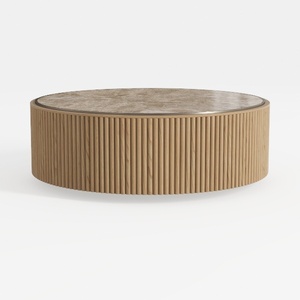
Round Coffee Table with Storage,Fluted Lift Up


Kodiak Stylish Daybed – Modern Twin Daybed for Ver
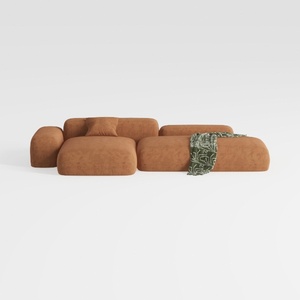
Oversized L-Shaped Sectional Sofa with Ottoman
Discover your creativity with Homestyler, the ultimate online home design platform! Featuring an easy-to-use design tool, stunning 3D renderings, and a wealth of design projects and DIY video tutorials, it's perfect for anyone ready to transform their living space—no experience needed!
Projete agora para LIVRE
































