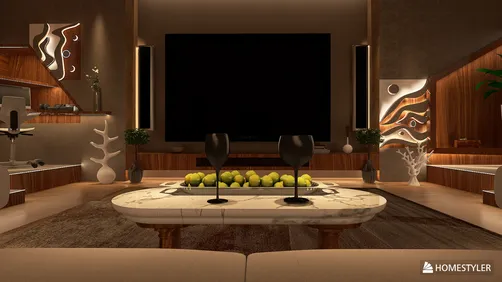
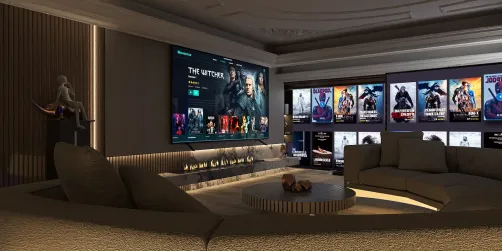
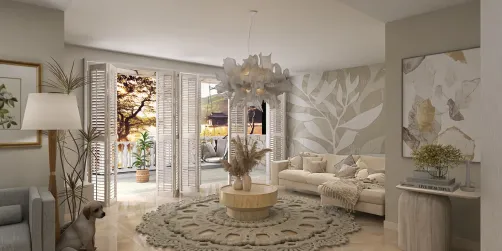
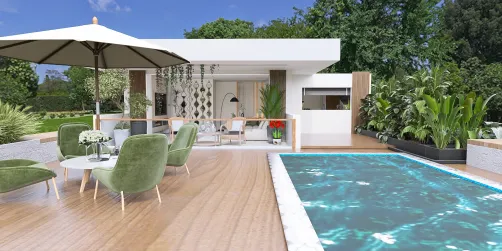
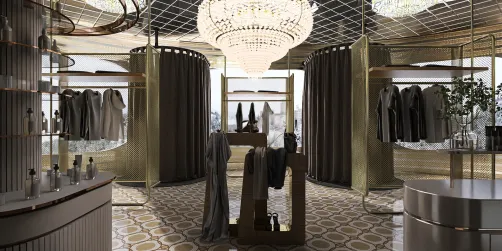
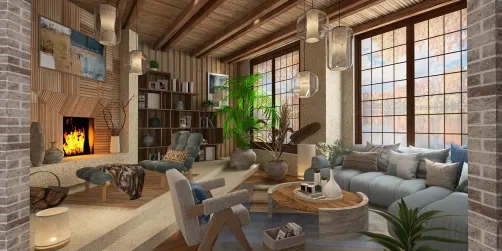
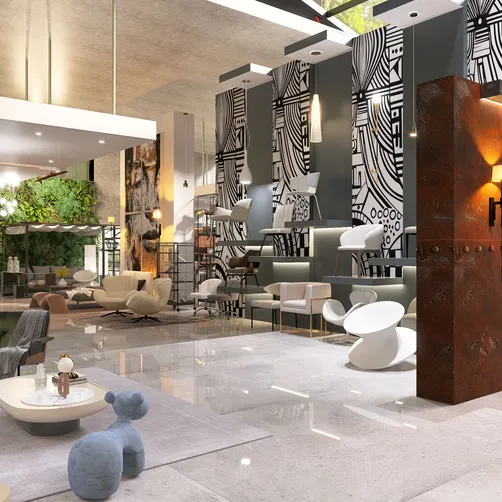
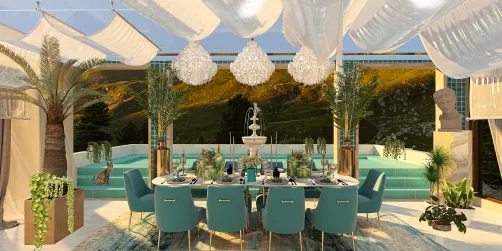
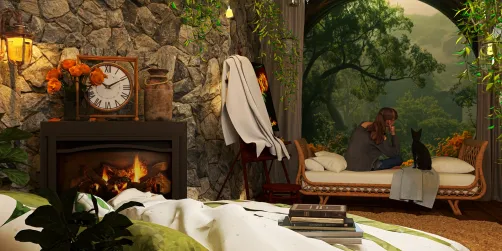
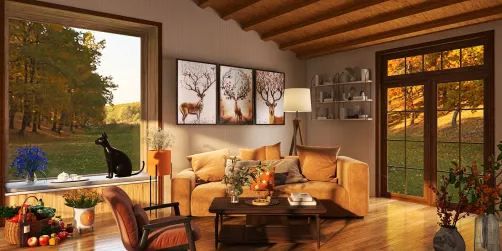
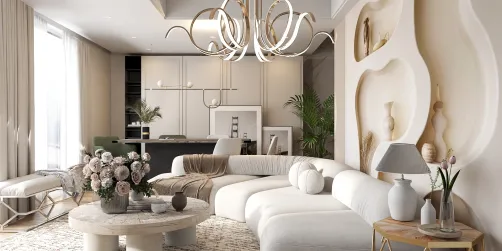
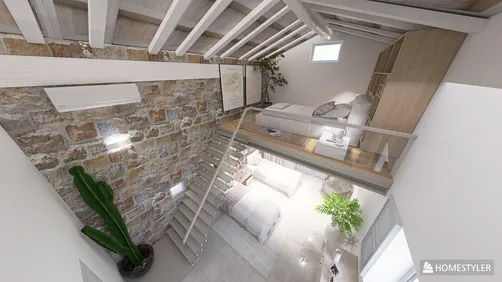
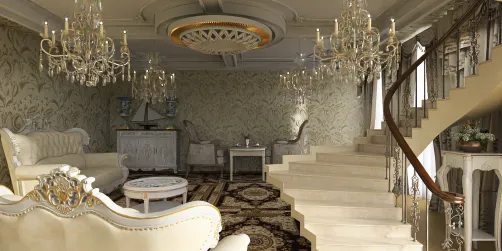
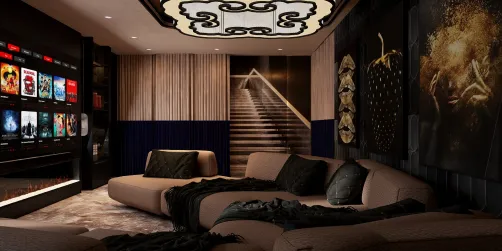
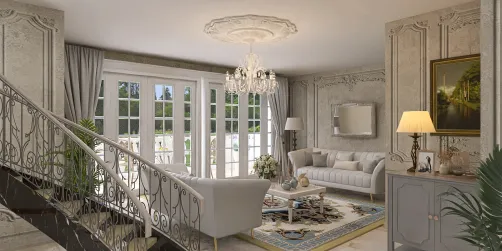
Creating an imperial function hall requires a blend of artistry and technique, where elements such as sightlines, lighting, acoustics, foot traffic, and materials unify to produce an atmosphere that is both lavish and effortless. From my experience in designing event and hospitality spaces, the most effective halls incorporate ceremonial symmetry alongside flexible setups, ensuring that each event—be it a gala, investor conference, or wedding—feels uniquely curated. Research supports these principles: the Illuminating Engineering Society advises a lighting level of 100-200 lux for banquet settings and up to 300 lux for visibility during presentations, with increased illumination on faces to enhance sightlines and photography. Similarly, WELL v2 highlights the importance of managing glare and color quality (with a color rendering index above 90 in key areas) to maintain visual comfort and accurate skin tones for attendees. A tool like Homestyler can significantly aid in planning these intricate designs, allowing you to visualize how various lighting and layout adjustments impact the overall space.
Ensuring audience comfort involves not just aesthetics but also ergonomics and sound quality. According to Steelcase research, providing diverse seating positions minimizes fatigue and encourages prolonged engagement during events; in function halls, this means integrating supportive dining chairs (with back angles between 100-110°), casual seating arrangements for socializing before events, and cocktail-height standing tables. On the acoustics front, strive for an RT60 (reverberation time) of 0.8 to 1.2 seconds for speech-centric gatherings, maintaining background noise levels around 40-45 dBA during meals. These standards help alleviate listener fatigue and promote clear conversations, even in lively settings. For a deeper understanding of spatial performance and the human experience in various environments, refer to Gensler’s studies.
Establish the Atmosphere with Style and Dramatic Entry
The essence of imperial charm begins with classic symmetry, dramatic focal points, and an unforgettable entrance. I recommend designing a multi-layered entry sequence: an anteroom for coat checks and guest orientation, a threshold beautifully framed by columns or drapery, and an immediate eye-catching feature—often a grand chandelier or an artistic floral sculpture—centered in the space. Ensure the height-to-width ratio is generous; for majestic halls, ratios of 1:2 or 2:3 maintain a sense of grandeur without creating an empty feel. Implement pilasters or decorative wall recesses to introduce rhythmic patterns, allowing lighting and textiles to enhance the architectural features.
Facilitate Seamless Circulation
Guest movement affects their perception more than many think. Maintain aisle widths of at least 1.8 m for dining services, widening to 2.1-2.4 m where waitstaff and photographers operate. Position bars and food stations around the edges, avoiding locations near entrances to mitigate congestion. Testing various seating arrangements and service routes can be effortlessly managed using a room layout tool, enabling quick simulations of pathways, sightlines, and stage visibility—ideal for toggling between banquet setups, imperial long tables, and theater arrangements with ease— a feature supported by Homestyler.
Layered Lighting: From Ceremony to Celebration
Consider lighting in layers: ambient, focal, and accent. For dining, keep ambient lighting set at 150-200 lux, incorporating dimmable options down to 10% for seamless transitions. To highlight centerpieces, use 300-500 lux concentrated lighting on tables to add depth without overwhelming the overall ambiance. Warm white lighting (2700-3000K) flatters skin tones, while a neutral 3500K enhances floral whites and metallics for striking photographs. Manage glare using baffles, honeycomb screens, and cut-off angles above 30° for overhead lighting. Ensure vertical illuminance on stage presenters reaches 500-750 lux with a consistent color temperature across fixtures for uniform video capture. Establish three primary lighting scenes—Arrival, Dinner, Toasts/Dance—and expand with accent cues for speeches or entertainment.
Acoustic Comfort: Balancing Elegance with Functionality
Many imperial halls prominently feature beautiful materials like plaster, stone, and hardwood, which, while attractive, can be quite reflective. To mitigate sound reflections, implement acoustic solutions such as micro-perforated panels that blend with wainscot, fabric-wrapped sound absorbers integrated into pilaster spaces, and heavy drapery at the perimeter windows. Aim for an NRC rating of 0.6-0.8 for soft panels and distribute sound diffusion through decorative coffered ceilings or intricate wooden features to reduce echo. Conceal subwoofers within stage risers, and isolate equipment rooms to manage ambient sound levels during speeches. A thorough sound reinforcement strategy—using line arrays for lengthy spaces and distributed ceiling speakers for ballrooms—can eliminate hot spots while preserving the venue's elegance.
Imperial Materials: Blending Timeless Craft with Modern Functionality
Featuring elements like marble thresholds, elegant parquet flooring, luxurious silk wall coverings, and antique brass or burnished bronze accents creates a regal environment. Where durability is crucial, consider using engineered stone for buffet areas, performance-grade upholstery on seating (with a minimum of 100,000 double rubs on the Wyzenbeek scale), and stain-resistant low-VOC finishes. Strive for balance between glossy and matte surfaces to prevent glare—using satin wall finishes, shiny chandeliers, and subtly reflective mirror panels behind bars to enhance spatial depth. When venues need to accommodate frequent vendor setups, protect corners with integrated bronze guards and opt for replaceable wear strips along service paths.
Color Psychology: Influencing Mood and Leaving Lasting Impressions
Colors can dictate emotions and perceptions of hierarchy. Rich jewel tones—like sapphire, garnet, and emerald—look stunning against candlelight and serve ceremonial purposes. Verywell Mind highlights how blues evoke calm and trust, reds inspire energy and passion, while greens promote balance; in practice, I tend to reserve rich colors for drapery, chair backs, or floral arrangements, choosing neutral tones for envelopes to allow event branding to stand out. For weddings, delicate blush to champagne transitions create a sophisticated ambiance; for corporate events, draw accents from clients’ color schemes and weave them through lighting, menu details, and tabletop decor to unify the setting without visual clutter.
Staging, Sightlines, and Technical Considerations
A stage should capture attention without dwarfing the overall space. Elevate staging platforms by 300–600 mm based on room depth, while ensuring a minimum throw of 10–12 m from the first row of tables to the stage for optimal camera angles. Keep central sightlines clear of tall centerpieces; limit centerpiece heights to below 300 mm or raise them above 900 mm to keep faces visible. Plan power outlets at intervals of 6–8 m along walls, with dedicated 20A circuits for catering, AV equipment, and lighting needs. Maintain a clear path of 1.5–1.8 m for cart traffic in back-of-house areas, and provide discreet access to the stage so performers and speakers can move in and out unnoticed.
Furniture, Ergonomics, and Guest Comfort
Dining chairs should facilitate a relaxed but attentive posture—aim for seat heights of 450–480 mm, seat depths of 420–460 mm, and back angles of approximately 105°. Opt for imperial banquet tables with widths of 1.0–1.1 m to allow ample space for place settings and floral displays without discomfort. Provide an assortment of seating options: cocktail tables for mingling, lounge areas with supportive cushions (seat heights of 420–450 mm) for breaks, and a few high tables for those who prefer standing. This diversified seating aligns with findings that suggest varying postures aid in maintaining focus and decreasing discomfort during lengthy events.
Versatile Layouts for Quick Transitions
Using modular stages, collapsible dance floors, and portable banquet tables simplifies adjustments between events. With scaled floor plans, you can pre-approve several layouts—rounds for gala evenings, U-shaped seating for dignitaries, and long imperial tables for formal dinners. I typically use a room design visualization tool, like Homestyler, to test layouts, validating capacities, fire escapes, and camera placements before finalizing rentals.
Highlighting Lighting: Chandeliers, Sconces, and Candlelight
Imperial elegance resides in the finer details. Add tiers of crystal chandeliers for vertical emphasis; incorporate sconces at 1.6-1.7 m AFF to beautifully illuminate faces in hallways and entry spaces. Balance flame-safe candlelight with LED tapers to add sparkle without the hazards of open flames. To achieve flattering reflections, align chandelier sizes according to the room’s width, subtracting about 12–18 inches from the total width, and maintain proportional spacing along the central axis.
Embracing Sustainability While Maintaining Grandeur
Select LED lighting solutions with high efficiency (over 90 lm/W) and long lifespans to reduce the need for replacements. Favor FSC-certified wood flooring and low-VOC adhesives to support healthier indoor air quality. Utilizing reusable drapery systems, modular bars, and rental decor minimizes waste during events. If HVAC systems are involved, consider low-velocity displacement ventilation to maintain comfort without creating drafts at seated heights, keeping noise levels around NC-25 to NC-30.
Creating Signature Moments for Social Media
Design with photography in mind: feature a floral arch or sculptural backdrop at the entrance, a branded photo opportunity near (but not at) the doors, and a visually appealing dessert station. Ensure these key photo spots are lit with 300-500 lux, and keep backgrounds simple to ensure people and outfits stand out beautifully. Adding a small riser for group photographs can also save hassle later.
Pre-Function and Back-of-House Areas: The Unsung Heroes
Ample pre-function spaces—ideally 0.8–1.2 m² per guest—create a welcoming environment upon arrival. Prepare for power and data needs for check-in, cloakroom usage, and photo setups. In the back-of-house, ensure clear pathways for caterers moving from the kitchen to the event area, equipped with anti-fatigue mats and task lighting at levels of 300–500 lux for effective plating. This space is crucial to the success of event execution.
Frequently Asked Questions
For optimal dining, keep ambient lighting around 150–200 lux with table accents utilizing pin-spots; during keynote moments, elevate stage lighting to 500–750 lux while dimming audience levels to 50–100 lux for enhanced focus.
Aim for an RT60 of 0.8–1.2 seconds by using fabric-wrapped absorbers, heavy drapery, and diffusive elements such as coffered ceilings. Strategically place speakers to avoid hot spots, keeping dining background noise at 40–45 dBA.
Utilize 72-inch round tables for 10 guests or 1.0-1.1 m-wide long tables for an imperial seating arrangement. Ensure main aisles are 1.8-2.1 m wide and secondary aisles are 1.2-1.5 m wide for seamless service.
Warm white lighting at 2700-3000K compliments skin tones; ensure stage and accent lighting remains consistent within ±100K. Opt for high CRI lighting (90+) in areas where faces and florals are prominent.
Design with modularity in mind—demountable dance floors, folding tables, and portable bars allow for quick transitions. Pre-visualize various layouts with a room layout tool to confirm guest capacities and exits prior to event day.
Seating heights should range between 450–480 mm, depth at 420–460 mm, and a back angle close to 100–110° for comfort. Combine various seating arrangements—dining, lounge, and cocktail tables—to promote posture diversity.
Combine engineered stone at service points with real stone accents. Choose durable upholstery (≥100,000 double rubs), along with low-VOC topcoats on finishes. Integrate discreet corner guards on back-of-house pathways.
Elevate the stage by 300–600 mm based on room size and maintain a throw distance of 10–12 m to the front row while ensuring centerpieces don’t obstruct sightlines, keeping them below 300 mm or above 900 mm to ensure clear views.
Employ dimmers for versatility, and install baffles or honeycomb screens to control brightness and maintain cut-off angles above 30° for downlights, shielding direct lines of sight.
Allocate approximately 0.8–1.2 m² per guest in pre-function areas to manage flow and alleviate congestion at check-in points, bars, and photo opportunities.

Homestyler is your go-to online platform for home design! Its user-friendly design tool allows you to create stunning layouts, while impressive 3D renderings bring your ideas to life. Plus, with an abundance of design projects and helpful video tutorials, you'll be inspired to transform any space effortlessly.