I create pooja rooms that embody both intimacy and elevation, infusing these sacred spaces with the sturdy elegance of stone and the serene tranquility that marble naturally imparts. In contemporary homes, marble provides a sense of clarity and permanence, while strategic use of lighting, spatial proportion, and sound control fosters a warm, inviting atmosphere. The WELL v2 system emphasizes the significance of light quality and visual comfort in enhancing wellbeing. I've discovered that a careful mix of ambient and accent lighting can alleviate visual fatigue and enhance concentration during prayer. The WELL Light concept (WELL v2, L03-L09) highlights the importance of glare management, suitable illuminance, and color quality as essential for comfort.
The proportions in a design are as critical as the materials used. In my designs, even a compact 3' x 4' space can feel expansive when vertical lines, hidden storage, and a cohesive color palette are thoughtfully integrated. Research from Steelcase on cognitive load demonstrates that visual simplicity can help restore focus—less clutter enhances intention. According to Verywell Mind, white and off-white hues signify cleanliness and tranquility, perfectly complementing the cool brightness of marble.
Guidelines for a Contemporary Marble Pooja Room
• Establish an axis: Position the shrine toward the designated direction of devotion (typically east) and create a clean, vertical backdrop. The delicate veining of marble draws the eye and helps to form a tranquil, rhythmic axis.
• Utilize a 60:30:10 color palette: Use 60% light marble (like Makrana or Statuario-style porcelain), 30% warm wood or brushed metal, and 10% accent colors (soft gold, antique bronze). This distribution maintains visual harmony and depth.
• Implement layered lighting: Aim for ambient light levels between 150 and 300 lux and 300 to 500 lux for accent lighting on the deity display, with a warm 2700–3000K color temperature for evening rituals. To minimize glare, consider using coved or backlit panels, adhering to IES guidelines for glare control.
• Prioritize acoustic tranquility: Incorporate a small rug, a fabric panel behind a lattice screen, or concealed acoustic felt within cabinetry to enhance the resonance of chants while minimizing echo.
• Introduce tactile humility: Opt for honed marble finishes over high-gloss alternatives to reduce glare and fingerprint marks; gentle, rounded edges promote safety and comfort during daily use.
Marble Styles That Enhance the Reverence
• White Makrana or Thassos: These stones are exceptional in their purity and fine texture, beautifully reflecting soft light and ideal for use as backdrops or plinths.
• Statuario-look porcelain: This option is perfect for low-maintenance households, offering a striking appearance with subtle veining without the concerns tied to porosity.
• Warm Crema Marfil or Botticino: Their beige undertones add cozy warmth to morning light, ideal for pairing with antique brass items and diya niches.
• Dark Emperador or Marquina accents: Subtle inlays can create valuable contrast, drawing focus to the murti without overwhelming the overall design.
Layout Ideas for Apartments and Villas
• Niche designs: In apartments, a 36–48 inch wide marble niche with a floating plinth, complemented by backlit onyx or diffused acrylic, helps keep the form understated yet purposeful.
• Sliding-panel sanctum: Incorporating marble-clad pocket doors with brass jaali not only provides privacy during gatherings but also allows incense to disperse while maintaining a sense of reverence.
• Symmetrical corner sanctum: A corner unit featuring mirrored marble panels can achieve a centered appearance when paired with two identical sconces and a central diya shelf.
• Dedicated pavilion for villas: A spacious 6' x 8' room with a coffered ceiling, a honed marble floor featuring simple border inlays, and a slight step-up plinth creates a ceremonial atmosphere.
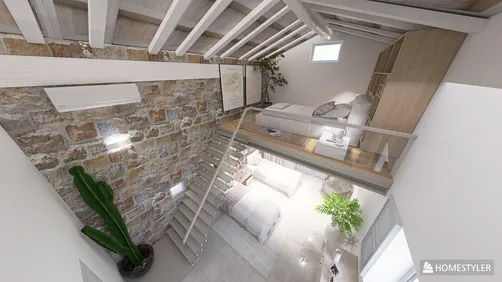
When determining proportions and circulation, fast digital simulations can aid in avoiding mistakes. I frequently utilize a layout simulation tool like Homestyler for quick mockups, ensuring sightlines and storage accessibility are validated accurately.
Lighting Design that Respects Rituals
• Backlit stone panel: Utilizing a 3000K LED panel behind a thin onyx or translucent slab creates a gentle halo, adjustable to 30–50% brightness during evening prayers to emphasize the candle flame.
• Concealed cove lighting: Softly wash the walls with perimeter cove lighting; select a 90+ CRI to accurately portray marigolds and textiles (WELL v2 Light guidance aligns with high color quality for improved wellbeing).
• Accent lighting spots: Two narrow 15–20° beam spots focused on the murti plinth provide depth while maintaining balanced reflectance to prevent glare on the polished marble.
• Task and safety lighting: Low-level toe-kick lighting guarantees safe navigation during early morning rituals without flooding the area with light.
Storage, Ritual Objects, and Ergonomics
• Plinth heights: Set at 12–15 inches for seated prayer and 30–34 inches for standing views. Position bell and incense nearby, ideally at shoulder height, to minimize strain (ensuring ergonomic reach).
• Convenient pull-outs: Slim drawers for incense and diyas lined with brass trays prevent oil from seeping into the marble. Stainless steel inserts make cleaning effortless.
• Discreet ventilation: Integrate an exhaust or passive vent behind the jaali to safeguard the stone from soot damage and maintain air quality.
• Wash zones: If feasible, install a small basin outside the sanctum to mitigate splashing on marble; if necessary indoors, request honed finishes and stone sealers rated for oils.
Jaali, Inlay, and Metalwork
• Brass or bronze jaali: This traditional latticework can feature simple geometric or lotus patterns that softly diffuse light while framing the shrine without visual clutter.
• Subtle inlays: Utilize minimal Pietra dura or brass inlays effectively as a fine border or symbol (Om, lotus) centered along the axis; restraint contributes to a timeless aesthetic.
• Soft edges: Employ chamfered or half-bullnose finishes on all contact points such as the pooja shelf, lamp ledge, and plinth rim, enhancing both safety and tactile comfort.
Color Psychology and Material Combinations
White and cream marbles promote mental clarity; warm metals introduce a sense of sacredness without being ostentatious. Insights from color psychology indicate that lighter neutrals suggest purity and tranquility, while matte gold touches feel uplifting without being overly flashy. A single accent, such as saffron textiles or deep red rangoli, can maintain focus while avoiding distraction.
Acoustic Comfort for Devotional Peace
The reflective nature of marble can enhance sounds. I counterbalance this by adding small wool rugs, a fabric-backed bench, or acoustic panels discreetly hidden behind a jaali or art piece. The aim is a gentle reverberation that supports chants without echoes; clarity in the sound of bells should prevail without harshness.
Safety and Maintenance Tips for Marble
• Recommend honed or leathered finishes for floors to improve slip resistance, particularly in areas where oil lamps will be utilized.
• Ensure regular sealing of stone every 12–18 months based on manufacturer recommendations, while providing trays for oil lamps and incense to localize any residue.
• Steer clear of harsh acids; use pH-neutral cleaners and microfiber cloths to prevent etching, preserving marble's clarity and veining.
Innovative Solutions for Limited Spaces
• Fold-away sanctum: Design a shallow 12–15 inch deep cabinet with bi-fold marble-laminate fronts to reveal a complete altar, inclusive of lighting and storage space.
• Floating altar beam: A streamlined marble shelf with a concealed bracket and minimalist back panel—providing a ceremonial yet unobtrusive look.
• Vertical shrine stacking: Incorporate a plinth at the base, a mid-level diya ledge, and a top halo panel; this arrangement draws the eye upward and makes a compact niche appear more expansive.
Design Trends for 2024–2025
• Embrace warm minimalism: Replace excessive ornamentation with refined craftsmanship, utilizing honed stone, brushed metals, and soft lighting to create a serene ambiance.
• Discreet smart controls: Opt for scene presets—Dawn, Midday, Arti—to facilitate fluid transitions without interrupting the rhythm of rituals.
• Prioritize responsible sourcing: Engineered stone or porcelain slabs that mimic marble aesthetics mitigate quarry impacts while maintaining visual coherence.
Sample Configurations
• The Linear Niche: Featuring a 42-inch wide honed Makrana backdrop, a 6-inch deep brass inlay border, a 30-inch high plinth, and a dimmable backlight with two hidden drawers.
• The Pavilion: An 8' x 6' room, complete with a coffered ceiling and indirect lighting, patterned marble border flooring, ventilated brass jaali doors, and a cushioned bench for seated prayer.
• The Screened Corner: Consists of corner marble panels with a lotus-pattern jaali screen, a floating diya ledge, and low-level toe-kick lighting for nighttime rituals.
Integrating All Elements
I initiate the process by establishing the axis and lighting, laying a calm marble foundation, and then layering in metal, storage, and acoustic considerations. The objective is to cultivate an environment that promotes mindfulness. When in doubt, refine: focus on one motif, one lighting hierarchy, one material theme, and measured proportions.
FAQ
Finely grained white marbles such as Makrana or Thassos help sustain a bright and tranquil space. For easier maintenance, consider high-quality porcelain slabs that mimic the Statuario aesthetic for their durability against stains.
Aim for ambient light levels of 150–300 lux and accent lighting of 300–500 lux on the deity. Utilize a temperature of 2700–3000K for a warm devotional glow, ensuring low glare through the use of coves and diffusers to align with WELL v2 light and IES glare control standards.
Incorporate soft materials such as a small wool rug, a fabric-backed bench, or a slim acoustic panel cleverly tucked behind a jaali or artwork. These additions will help manage the reflective nature of marble without altering its appearance.
Yes—apply honed or leathered finishes to reduce glare and slipping incidences. Reserve polished finishes for vertical surfaces or inlays where they are less exposed to touch and oils.
Indeed— utilize brass-lined trays and regularly seal the marble surface. Ensure to include a discreet vent or enable cross-ventilation through the jaali to effectively manage soot and odors.
Consider a wall cabinet with a 12–15 inch depth or a floating niche measuring between 36–42 inches, coupled with concealed drawers. Validate clearances and sightlines utilizing an interior layout planner, like a room layout tool from Homestyler, to maintain an uncluttered space.
Soft neutrals, such as sand or dove gray, alongside matte metals like brass or bronze, beautifully complement white marble. A single accent, be it a saffron textile or deep red floral arrangement, can add focus without creating clutter.
Certainly. High-quality engineered stones or porcelain slabs provide the peaceful aesthetic of marble with simpler upkeep and fewer porosity issues, making them ideal for daily rituals involving oil and incense.
For a seated prayer, a plinth height of 12–15 inches works well; for standing viewing, position focal points around 30–34 inches from the ground. Ensure drawers are easily accessible to support ergonomic use.
Utilize a small, hidden dimmer switch or an app that allows for scene settings such as Dawn, Midday, and Arti. This allows the light to fade seamlessly, respecting the ritual ambiance while keeping technology discreet.
Every 12–18 months based on usage and manufacturer guidelines. Areas with frequent exposure to oils or incense should be inspected on a quarterly basis for sealing touch-ups.
A brass or bronze jaali mounted on a timber frame provides both airflow and visual seclusion. Alternatively, a lighter structure utilizing powder-coated metal in soft champagne tones pairs beautifully with warm marble aesthetics.
Homestyler is your go-to online home design platform! With its user-friendly design tool, stunning 3D renderings, and a wealth of DIY video tutorials, you can effortlessly transform your space and explore endless creative possibilities. Start designing your dream home today!