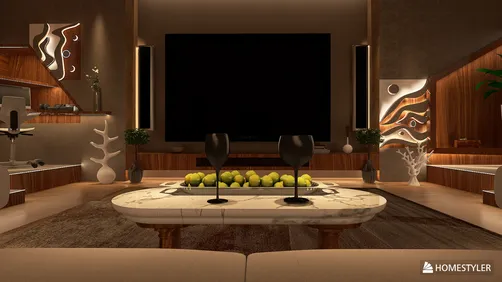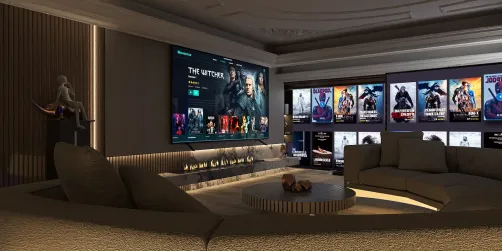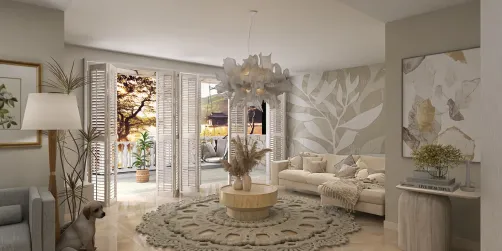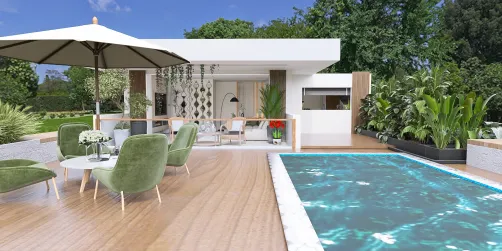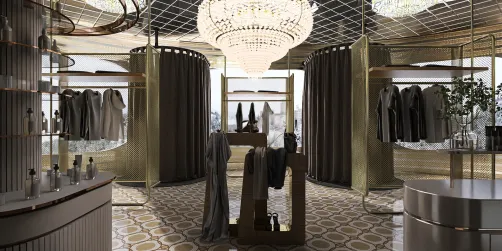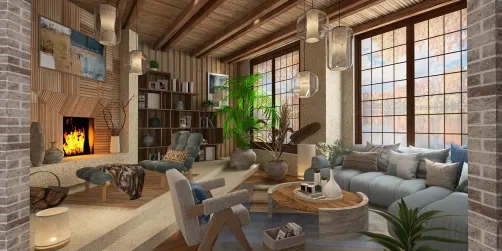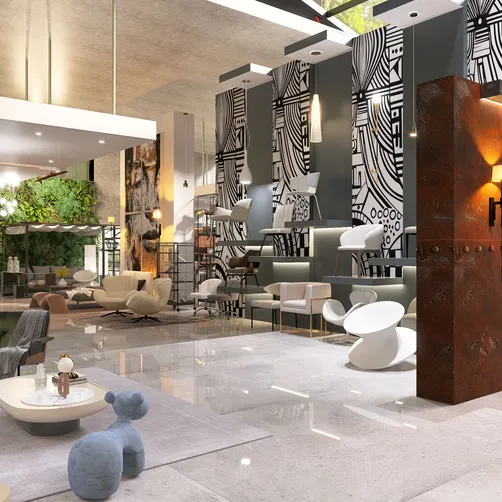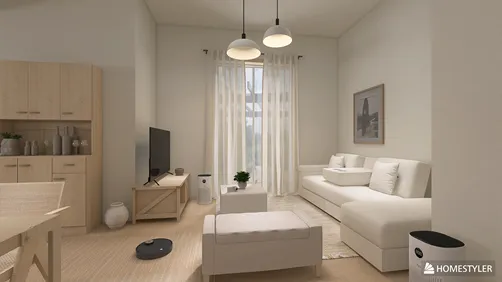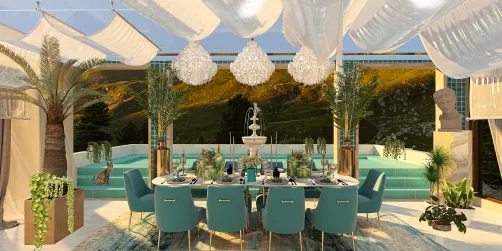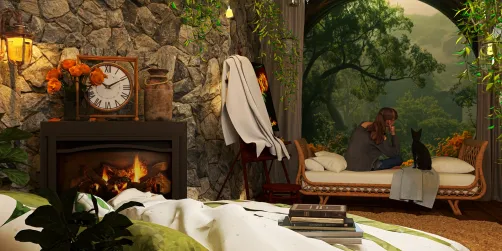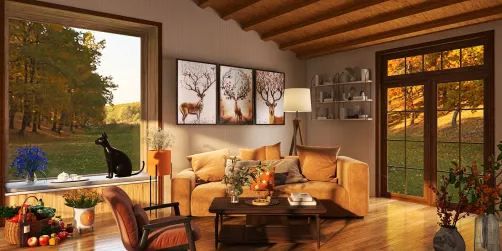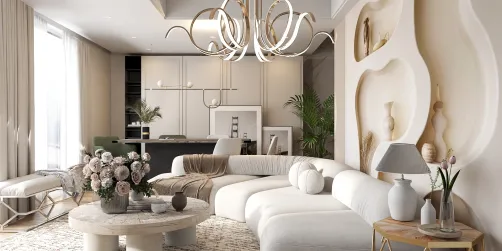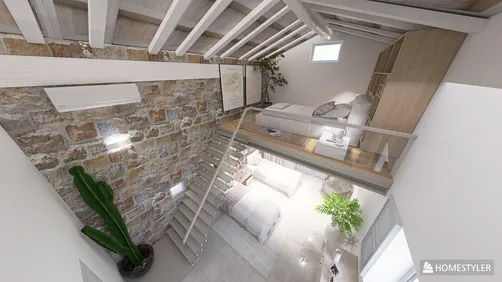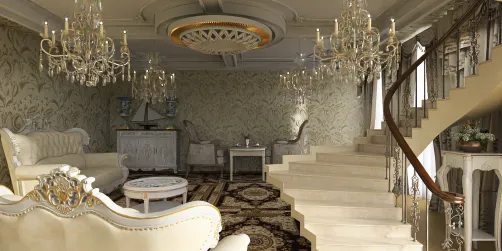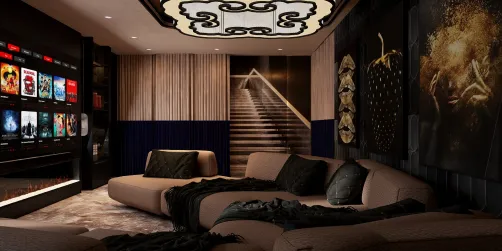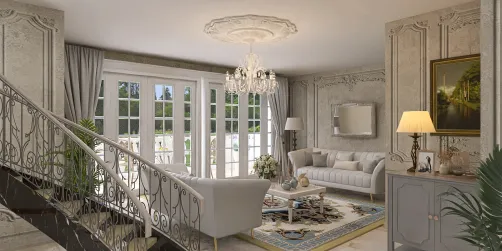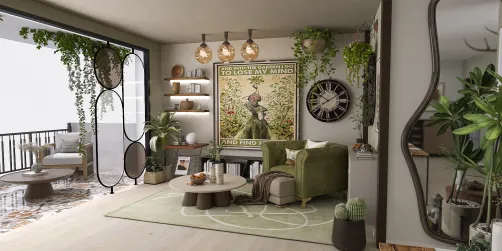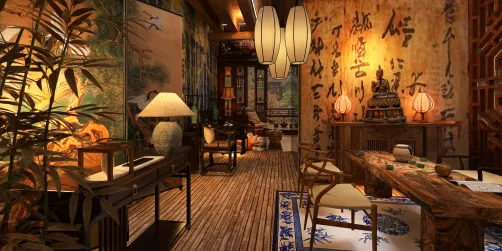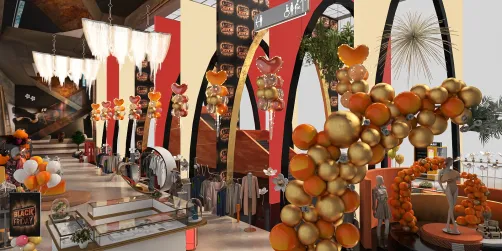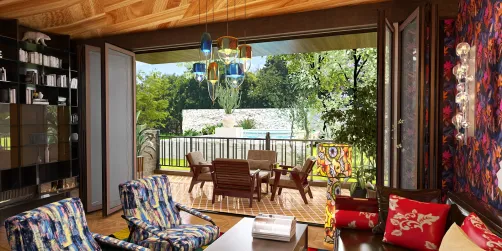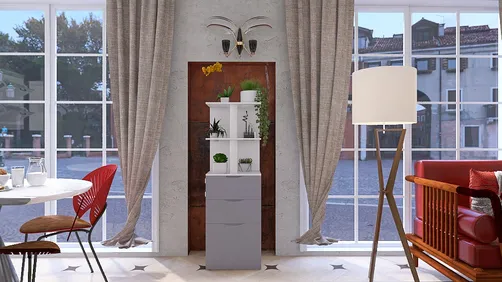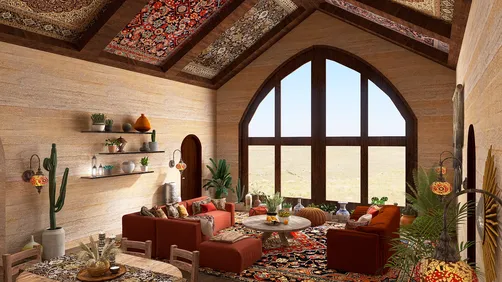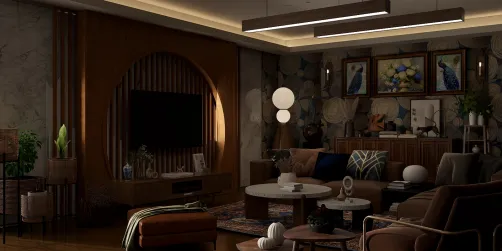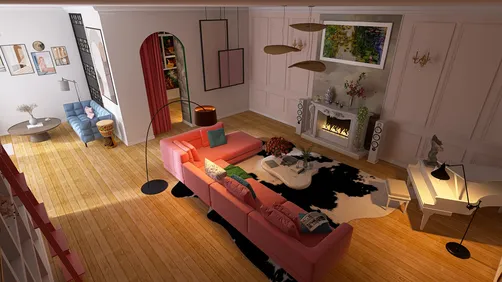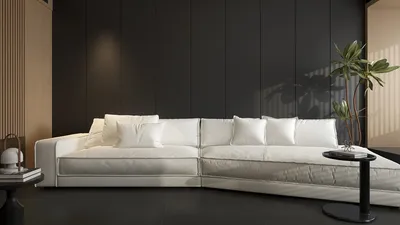
In creating intimate proposal spaces within penthouses, boutique hotels, and cozy studio apartments, the key to magic lies in the intention behind the design. A well-curated proposal area harmonizes elements like lighting, acoustics, materials, and personal narratives. Research by Gensler highlights that 76% of individuals feel that thoughtfully crafted environments greatly shape their emotional responses—setting matters when posing that life-changing question. Proper lighting is essential; the Illuminating Engineering Society emphasizes that warm ambient lighting of 2700–3000K fosters a cozy, intimate atmosphere when paired with dimmable sources. Using Homestyler, one can effectively visualize these elements in their space.
The bond between color and emotion is undeniable. An overview by Verywell Mind on color psychology reveals that warm colors such as amber, blush, and soft rose emanate warmth and affection, while muted blues and greens can alleviate anxiety. When curating proposal spaces, I generally implement three primary colors: a gentle neutral base, one emotionally resonant hue, and a metallic accent like brass or champagne to provide an understated luxury feel. Maintain light levels at 50–150 lux for ambient lighting, focusing 300–500 lux on key elements, ensuring a glare-free environment conducive to romance. For planning the furniture layout and the route to that pivotal “spot,” using a room layout tool like Homestyler ensures everything flows seamlessly.
Establishing an Emotional Narrative
Begin with a narrative: perhaps your first date, a favorite city, or a shared tradition. Transform those memories into tactile sensations—such as linen textures for beach outings, luxurious velvet for a jazz club ambiance, or pale oak representing a beloved Nordic getaway. Restrict your themes to two to minimize visual confusion. I design a 'memory corridor' leading up to the proposal spot, featuring framed photographs, ticket stubs preserved under glass, or a brief handwritten quote every meter that encourages your partner to move forward. Conclude the path with a central focus: a ring displayed on a low stand or within an open book box, surrounded by delicate florals and candlelight.
Illuminating Layers That Flatter and Guide
Implement a tri-layered lighting approach: ambient, task, and accent. For ambient lighting, utilize dimmable lamps with warm LEDs (2700K), softened by linen shades. For tasks, provide discreet lighting for reading notes or vows. Use accent lighting like micro-spotlights or concealed LED strips to highlight the ring, floral arrangements, or photo displays. Avoid harsh shadows on faces by bouncing light off walls or ceilings for smooth skin tones. Steer clear of overhead glare; aim for perimeter lighting and eye-level sparkle instead. If unsure about lamp arrangements, conduct a swift simulation with an interior layout planner such as Homestyler’s features.
Purposeful Color Schemes
For a modern romantic twist, pair bone white, blush nude, and champagne metal for a chic look. For a sophisticated, moody aesthetic, consider using charcoal, deep claret, and smoked bronze with plush textures. For light and airy proposals, soft sage, sand, and natural oak can ground the ambiance. Ensure consistency by anchoring the color palette with repeating materials (such as linen, brushed brass, and soft greenery) so every photo captures a harmonious scene. Introduce one sensory element—while a rose-petal pathway is timeless, fresh options like eucalyptus garlands or dried lunaria can be more unique and manageable.
Material Choices and Tactility
A proposal should also engage the sense of touch. Combine matte finishes (like bouclé, linen, and handmade paper) with one shiny element (like a lacquer tray or glass cloche for the ring) to create a rhythm. Opt for sustainable decisions to reflect thoughtfulness: consider FSC-certified wood risers, beeswax candles, and recycled glass vases. Keep scents light and layered—ideally no more than two fragrances, like fig paired with bergamot, or rose with cedar—general perfumes can overwhelm the senses and distract from the occasion.
Creating Acoustic Comfort and Atmospheres
Silence isn’t the objective—gentle, ambient acoustics are. Place a rug to reduce foot traffic noise, drape fabric across hard windows, and include fabric throws to absorb sound. Assemble a 30 to 45-minute playlist that builds in tempo as the moment approaches. Keep overall sound levels to no more than 55 dB so conversations can be easily heard amid the music; raising your voice should be unnecessary. Avoid live flames near audio equipment; the movements in air can create distortion, which can be detrimental to such a sensitive moment.
Setting the Stage for the Reveal
Plan three key moments: the approach, the pause, and the reveal. Guide the approach with soft lighting elements (like tea lights in glass holders or LED tapers) spaced 60 to 90 cm apart. For the pause, provide a note, a video montage, or a brief letter on textured cardstock placed on a small table. For the reveal, showcase the ring under a glass dome with a micro LED beneath it, or inside a velvet box positioned on a low plinth surrounded by floral arrangements. Always pre-test the camera angle—setting the tripod at eye level and slightly off-axis to capture the moment perfectly before your partner arrives.
Incorporating Florals and Greenery
Select blooms that resonate with the recipient's personality rather than following trends. For minimalists, consider single-species arrangements such as ranunculus, anemone, or garden roses. Nature enthusiasts might appreciate meadow-style bouquets featuring olive branches and waxflower. Urban sophisticates may prefer sculptural vases with calla lilies, orchids, or hellebore. Use odd-numbered bouquets and vary stem heights to create a natural look. Hydrate the flowers hours before the event; keep them away from heat sources and high-intensity lighting.
Furniture Arrangement and Flow
Ensure a clear pathway to the proposal spot. Position seating to the side for an obvious route. A small bistro table can hold a romantic letter and champagne, while a low bench provides comfortable kneeling height without obstructing views. Allow at least 900 mm for unobstructed circulation. If space is limited, tuck away stools under surfaces and utilize wall-mounted shelving. In compact studios, mirrors can help extend sightlines while a single standout floral piece anchors the scene.
Capturing Memories Through Photography
Quality photographs begin with proper lighting. Utilize a single soft key light (like a lamp with a shade) and a fill light (bouncing off a light wall). Conceal any visible cables. Pre-focus the camera where you intend to kneel. If hiring a photographer, discuss and agree on a hand signal in advance. Remove reflective distractions from the frame—steer clear of bold labels and tangled cords. After the pivotal moment, transition the space: increase the ambient light slightly, play a celebratory track, and present a prepared dessert or favored snack.
Creating Luxe Experiences on a Micro-Budget
Focus on key elements like lighting, flowers, and one personal artifact. Print small-sized photos mounted on foam core for sharp edges. Consider renting or borrowing a standout vase instead of acquiring many smaller items. Utilize LED taper candles for both safety and reusability. A single high-quality linen runner can beautifully tie together a console, bench, and windowsill.
Adapting to Seasonal and Venue Needs
In winter, consider clusters of candles, velvet ribbons, warm metals, and layered throws. In the spring, offer fresher greens, tulips, or sweet peas with softened daylight through sheer curtains. In summer, ensure a comfortable environment; avoid melting wax and opt for LED candles. Autumn calls for deeper hues, dried elements, and low, cinematic lighting. For hotels or rentals, heed surface-safe adhesive regulations and no-flame policies; utilize command hooks, removable putty, and battery-operated lights.
Personalization Without Overdoing It
Select three meaningful elements: a line from your initial message, a map of your meeting place, or a label from a shared favorite wine. Distribute them along the path instead of cluttering the reveal point, allowing the space to convey its own story.
Quick Setup Checklist
- Palette: a neutral base paired with an emotional color and a metallic accent
- Lighting: warm lights of 2700–3000K; dimmable and layered
- Clear Path: ensure 900 mm of circulation with guided markers
- Focal Point: the ring should be centrally placed with accent lighting and glare-free visibility
- Acoustics: incorporate rugs and drapes; maintain ambient sound under 55 dB
- Flowers: ensure proper hydration; use odd-numbered groupings and keep flowers away from heat sources
- Scents: employ a maximum of two fragrance notes; diffuse lightly
- Photography Plan: pre-test exposure settings; ensure tripod stability; conceal cables
FAQ
Q1: What color palette is ideal for a warm, intimate proposal setup?
A1: Consider soft neutrals like bone or oatmeal combined with blush or dusty rose, along with champagne metallic accents to evoke a timeless feel. Studies in color psychology indicate that warm shades suggest comfort, while muted colors help reduce anxiety, creating a relaxed atmosphere for a positive response.
Q2: What should the room's brightness levels be?
A2: Aim for ambient lighting ranging from 50 to 150 lux and accent lighting shining at 300 to 500 lux on focal points. Keep color temperatures around 2700–3000K and steer clear of direct glare; utilize wall bounces or well-shaded lamps for flattering lighting.
Q3: What is the easiest method to plan furniture arrangement and the proposal route?
A3: Clearly delineate a route to the reveal point while maintaining approximately 900 mm of movement space. For quick simulations, consider using an interior layout planner like Homestyler to visualize traffic flow and sightlines.
Q4: Which flowers are best for longevity under warm lighting conditions?
A4: Choose blooms such as orchids, calla lilies, carnations, and ranunculus, as they can hold up well if kept hydrated and relocated away from high-heat sources. Space arrangements a bit from lighting accents to ensure they remain fresh.
Q5: How can I effectively manage acoustics in a space with hard surfaces?
A5: Incorporate a rug, close drapes, and layer textiles on seating. Maintain music at a volume below 55 dB, allowing even the softest whispers to stand out above the background. If there's noise from HVAC systems, consider mellow ambient tracks to cover the hum without drowning out conversation.
Q6: What if I'm limited on setup time?
A6: Start with lighting as a priority, then focus on creating a standout focal point, followed by adding path markers. Consider utilizing battery-operated LED candles, a singular striking floral display, and printed photos on foam core for a significant impact without extended setup time.
Q7: How can I incorporate sustainability into my proposal design?
A7: Opt for energy-efficient LED lighting, beeswax or rechargeable candles, and consider renting or borrowing decorative pieces. Utilize FSC-certified wood for risers, select seasonal blooms, and reuse fabrics and decorations that can continue to be enjoyed post-event.
Q8: Is using scented decor advisable?
A8: It's best to keep scents subtle. Limit to two complementary notes (for instance, fig and bergamot). Overly potent fragrances can overwhelm the senses and distract from the emotional significance of the moment.
Q9: What camera setup is optimal for capturing proposal moments?
A9: Set up a tripod at eye level with pre-focused framing on the kneeling position. Employ a soft key light and utilize wall bounce for additional fill lighting. If using a smartphone, ensure gridlines are enabled and lock exposure settings prior to the key moment.
Q10: How can I avoid making the space look overly themed or kitschy?
A10: It’s essential to simplify. Use one consistent motif, choose three main materials, and keep a restrained color palette. Position personal elements along the route rather than clustering them all at the reveal point to maintain an organic feel.
Q11: Is it possible to propose during the day and still maintain a romantic atmosphere?
A11: Definitely—utilize sheer drapery to soften harsh sunlight, introduce warm-toned lamps to ensure a cozy aura, and rely on textures (such as linen, bouclé, and matte ceramics) combined with greenery for depth and allure.
Q12: What’s a thoughtful transition after the proposal moment?
A12: Gradually brighten the lights, start a celebratory music track, reveal chilled beverages, and a small dessert. Swap out regular candles for safer LED alternatives if there are guests or photographers present to ensure safety and elegance.


Homestyler is the ultimate home design platform for anyone looking to transform their space! With its user-friendly online design tool, stunning 3D renderings, and a wealth of DIY video tutorials, you can effortlessly create and visualize your dream home. Dive into creativity today!