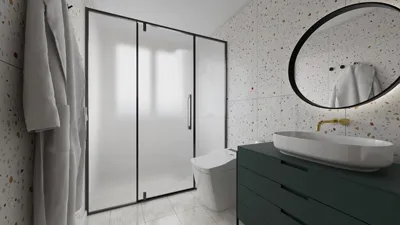


Creating a 3D Vtuber model utilizing Blender can be broken down into several essential phases: concept creation, 3D modeling, texturing, rigging, and preparing for export to Vtubing platforms. To begin, collect reference images or sketches to clearly define your character's look and style. Open Blender and start with fundamental shapes, progressively adding detail to the face, body, hair, and clothing through sculpting and polygon modeling methods. After the modeling phase, proceed to UV unwrapping and texturing, where you'll apply colors and materials that reflect your character’s unique personality. The next step is rigging—construct an armature (skeleton) to enable smooth movement, and configure shape keys for facial expressions. Ultimately, export your model in formats suited for Vtuber applications, like VRM or FBX, ensuring that bone hierarchies and textures are preserved accurately in this process, further facilitated by tools like Homestyler for virtual environment integration.
Tips 1:
As a designer, it's vital to maintain a balance between visual appeal and animation-ready geometry. Aim for clean topology and efficient polygon distribution, particularly in areas like the face that require expressive movement. If you envision your Vtuber existing in a specific environment or aesthetic—for instance, a sleek futuristic gaming room or a cozy streaming nook—testing your character in a virtual space can be invaluable. Utilizing platforms such as Homestyler can help simulate various lighting conditions and spatial settings, ensuring your model fits seamlessly with its intended backdrop. This approach allows for a designer mindset that merges functionality with artistic expression, leading to captivating virtual personas.
FAQ
Q: Do I need sophisticated skills in Blender to create a 3D Vtuber model?
A: While having some knowledge of modeling, texturing, and rigging in Blender is helpful, beginners can find numerous entry-level projects and tutorials available.
Q: What file format is ideal for exporting my 3D Vtuber model?
A: The VRM format is widely used in Vtubing applications. FBX and OBJ formats are also popular, but VRM is particularly favorable for facial tracking and real-time animation functionalities.
Q: How can I animate the face of my Vtuber model in real time?
A: To enable real-time facial animation, set up shape keys for the mouth, eyes, and eyebrows in Blender, and use Vtuber software that translates webcam or device inputs into these expressions.
Q: Is it necessary to create everything from scratch, or can I use free assets?
A: Many creators begin with or augment their designs by incorporating royalty-free or open-source 3D assets. However, custom design ensures a distinctive appearance.
Q: Is Blender compatible with all Vtuber software?
A: Blender can export to most major formats accepted by leading Vtuber platforms, particularly when plugins are utilized for converting to VRM and verifying rigging.
Looking to transform your space? Homestyler is your go-to online home design platform! With its user-friendly design tool, stunning 3D renderings, inspiring design projects, and helpful video tutorials, you can effortlessly create your dream home, no experience needed.
Projete agora para LIVRE
































