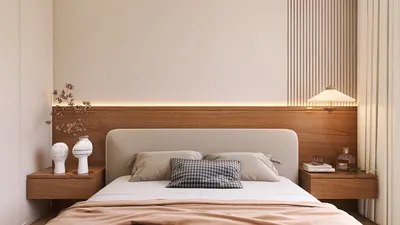


In recent years, I've observed a rising trend in the interior design realm, particularly the popularity of beige and green living rooms. This combination feels wonderfully fresh, serene, and forever stylish, making it an ideal choice for compact areas where every element must be thoughtfully selected. I firmly believe that designing for smaller spaces encourages innovative thinking, and today, I'm excited to share 10 creative living room ideas incorporating beige and green that I've implemented in projects or encountered in clients' homes, blending personal insights with design expertise.
1. Streamlined Beige Sofa with Olive Green Touches
My Experience: In a cozy apartment project, I selected a sleek beige sofa and introduced olive green through cushions and a soft wool throw, resulting in a space that felt both spacious and inviting.
Advantages: This combination effectively brightens a small living area while maintaining a feeling of coziness. The lightness of beige keeps the room airy, while the depth of olive provides a perfect balance, making it an excellent choice for interiors with limited space.
Disadvantages: Beige upholstery can easily show dirt, so it's essential to consider machine-washable options or high-performance fabrics.
Suggestion: Pair the sofa with a textured rug to introduce warmth. To spark your imagination, explore how minimalist storage ideas can maintain an uncluttered look in your space.
2. Sage Green Accent Wall
My Experience: Last year, painting one wall with a soothing sage green transformed a narrow living room; it suddenly felt inviting and more tranquil.
Advantages: Sage pairs flawlessly with beige furnishings, enhancing the natural light in the space. According to research from the Pantone Color Institute, sage tones encourage relaxation.
Disadvantages: In low-light settings, sage may appear drab, so enhancing the space with warm lighting is recommended.
Suggestion: Experiment with paint swatches at varying times of day to find the right shade before making a final choice.
3. Beige Linen Drapes with Green Indoor Plants
My Experience: In a recent design project, I incorporated full-length beige linen curtains and an array of large-leaved indoor plants, giving the space a modern biophilic feel.
Advantages: This approach merges natural textures with greenery, erasing the lines between the indoors and outdoors. Additionally, plants improve air quality, as supported by findings from NASA's Clean Air Study.
Disadvantages: Indoor plants require regular maintenance; neglect can result in a disorderly appearance.
Situation: This setup works wonders in rooms that receive abundant sunlight, especially those with L-shaped seating arrangements.
4. Two-tone Beige and Green Sectional
My Experience: I once tailored a sectional sofa featuring beige seats and green back cushions, creating an ensemble that felt both relaxed and cohesive.
Advantages: This setup breaks visual monotony and creates defined zones in open-plan living spaces, maximizing seating options in compact environments.
Disadvantages: Custom upholstery may come at a higher cost and take several weeks for delivery.
5. Eye-catching Green Velvet Armchair
My Experience: Introducing a forest green velvet armchair in a beige living room turned it into my client's most photographed nook.
Advantages: Velvet provides a luxurious texture while the green beautifully complements the beige. It's an excellent option for establishing a focal point in smaller living areas.
Disadvantages: Velvet requires careful maintenance and can be susceptible to marks caused by spills or pets.
6. Combined Rugs in Beige and Green Shades
My Experience: In a studio apartment, I layered a sisal rug on top of a smaller green-patterned rug, which established depth and visual intrigue without overcrowding the space.
Advantages: Layering rugs effectively delineates seating areas while adding warmth. The beige grounds the overall look, whereas green patterns liven it.
Disadvantages: Improper positioning of layered rugs can pose tripping risks.
Situation: Mix natural fiber rugs with flatweave cotton options to introduce texture into your design.
7. Beige Walls Complemented by Green Artwork
My Experience: In a gallery-inspired living space, the beige walls provided an excellent canvas for showcasing bold green botanical prints.
Advantages: This design maintains an airy and open atmosphere while allowing the artwork to stand out—a great alternative for renters unable to paint.
Disadvantages: Larger artworks can be substantial and necessitate careful installation.
Suggestion: Floating shelves can facilitate easy rotation of seasonal artwork and decorations.
8. Olive Green Built-in Shelving
My Experience: I designed olive green built-in shelves for a client’s books and decorative items, which became a standout feature against beige walls.
Advantages: These shelves create tailored storage solutions and focal points without the need for additional furniture, making them perfect for small living rooms.
Disadvantages: Built-ins require thorough planning and budgeting. Painted surfaces might chip over time.
Inspiration: Explore how L-shaped configurations can optimize surface area and enhance flow in living spaces.
9. Beige Modular Storage with Green Highlights
My Experience: In a narrow area, I implemented beige modular storage units and accented them with green cabinet fronts for a stylish pop of color.
Advantages: This combination conceals clutter while providing aesthetic appeal, and it offers flexibility as your needs evolve.
Disadvantages: Trends in color can shift, which might date the design after a few years.
10. Natural Wood Elements Combined with Beige and Green
My Experience: Incorporating wooden coffee tables and shelving into the beige and green living room design enhanced its warmth and organic feel.
Advantages: Wood introduces a cozy, earthy ambiance that harmonizes with both beige and green, a concept frequently noted in Scandinavian design literature.
Disadvantages: Natural wood is prone to scratches and may require refinishing over time.
Situation: Review examples demonstrating how wood textures can foster a welcoming vibe, even in smaller floor plans.
Conclusion
For me, designing a beige and green living room is not about restrictions—it's about intelligent and purposeful design. By mixing the right tones, textures, and thoughtful accents, even the tiniest spaces can be transformed into stylish and comfortable havens. As highlighted in a 2023 Elle Decor article, earthy tones are timeless yet versatile. Which of these ideas do you envision implementing in your own home? For further inspiration in designing your space, consider using tools like Homestyler to explore your options.
Frequently Asked Questions
Homestyler is your go-to online platform for transforming your home design dreams into reality. With its user-friendly design tool, stunning 3D renderings, diverse design projects, and helpful DIY video tutorials, you can effortlessly create and visualize your ideal living space—no expertise needed!
Projete agora para LIVRE
































