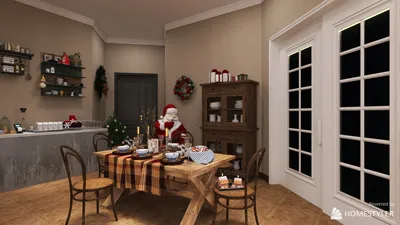


I once had a client who envisioned their dining room pantry cleverly concealing a secret wine bar behind a painting — I crafted it, and I still chuckle every time I reveal that "artwork." Small blunders and quirky requests have shown me that even compact dining spaces can inspire the most inventive ideas. If you wish to visualize your dining area layout, consider using a quick 3D mock-up with Homestyler to see how a pantry integrates before making any commitments.
1. Slim built-in pantry along a dining wall
A shallow built-in pantry with adjustable shelving can utilize the often-overlooked wall space next to the dining table. This solution keeps your dinnerware and linens accessible without obstructing walkways. However, the limited depth means careful planning for shelf spacing is vital to fit plates and serving bowls. If you opt for stock cabinetry, this can be an economical choice, and I always recommend soft-close drawers to prevent disruptive noise during meals.
save pin
2. Buffet-style pantry cabinet that doubles as serving station
Transform a buffet-height cabinet into a multifunctional pantry complete with pull-out trays and a wine rack. This setup not only serves as a natural area for meal preparation but also conceals clutter when entertaining guests. The challenge often lies in balancing storage capacity with surface area, particularly in smaller dining environments. I once adapted this design for a family of four, incorporating hooks underneath for aprons—simple details that can enhance everyday functionality.
save pin
3. Open shelving with baskets and labeled zones
Opting for open shelves in your dining room gives an airy feel while allowing you to design your pantry as part of the decor. Utilizing baskets to store less visually appealing items can keep the space organized. While this aesthetic can be appealing, frequent dusting and visual clutter may be drawbacks; regular maintenance is needed to preserve that magazine-like appearance. If you want to create precise layouts beforehand, using Homestyler to draft a custom pantry blueprint can streamline the installation process.
save pin
4. Floor-to-ceiling pull-out pantry for vertical efficiency
Pull-out towers are an excellent solution for spaces where floor area is a constraint, offering impressive capacity and visibility for canned goods. However, these options can be more expensive and require precise measurements to ensure that the doors function properly; I once redesigned a layout because an inaccurately measured toe-kick obstructed a pull-out. For those on a tighter budget, consider combining one tall pull-out unit with open storage to balance function and cost.
save pin
5. Hidden pantry behind matching cabinetry or a pocket door
For a seamless appearance, conceal storage behind cabinetry that matches your dining room's decor or install a pocket door to neatly tuck the pantry away when not in use. This design choice creates a clean aesthetic while keeping clutter out of sight. However, it can complicate the construction process and slightly increase costs. When considering the flow between your kitchen and dining areas, careful planning will help avoid uncomfortable traffic patterns in the future.
save pin
FAQ
Q: What are the best pantry styles for a small dining room?
A: Slim built-ins, pull-out towers, and buffet-style cabinets are optimal since they maximize vertical storage while providing dual functionality. Open shelving is also feasible if you keep the items curated and dust-free.
Q: How deep should a dining room pantry be?
A: For shallow built-ins, a depth of 10–12 inches (25–30 cm) is suitable for plates and linens, while a full pantry typically measures 18–24 inches (46–61 cm) to accommodate larger containers. Always measure your storage needs first to prevent unnecessary space loss.
Q: Is it acceptable to store food in a pantry within the dining room?
A: Yes, non-perishable staples and sealed items are safe as long as the area remains cool and dry. Highly perishable items should generally be avoided unless there is climate control or adequate ventilation.
Q: What is the cost consideration for remodeling a dining room pantry?
A: Prices can vary significantly: a basic shelving upgrade might cost a few hundred dollars, while custom cabinetry or pocket doors could run into the thousands. Always obtain quotes for materials and installation to budget accordingly.
Q: Are permits necessary for adding a pantry?
A: Most cosmetic pantry installations do not require permits, but any structural modifications, electrical work, or plumbing relocations might. Always check local building codes or consult a contractor to ensure compliance.
Q: What type of lighting is most effective for a dining room pantry?
A: Employing layered lighting—combining overhead fixtures with strip or puck lights inside shelves—provides excellent visibility and enhances ambiance. LED strips are not only energy-efficient but also compact enough for narrower shelves.
Q: How can I keep my pantry organized and tidy?
A: Utilize matching baskets, clear containers, and labels to uphold order; create a habit of conducting a brief monthly assessment to discard expired items and reorganize as necessary. Regular minor upkeep is more manageable than a massive cleanup each year.
Q: Are there design standards regarding pantry circulation?
A: Indeed. According to guidelines from the National Kitchen & Bath Association (NKBA), aim for at least 36 inches (91 cm) of clear aisle space in work zones; larger homes may require 42–48 inches for multiple cooks. Adhering to these recommendations fosters smooth movement between kitchen and dining areas.
save pin
Homestyler is the ultimate online platform for home design enthusiasts! With its user-friendly design tool, stunning 3D renderings, and a wealth of DIY video tutorials, you can easily create and visualize your dream spaces. Start transforming your home today!
Projete agora para LIVRE
































