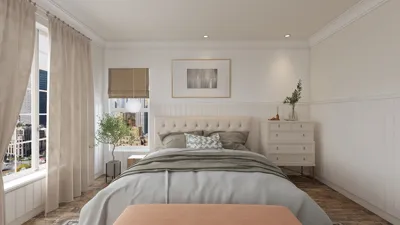


In one instance, I assured a seven-year-old client of a "starship wall" design, which resulted in a spaceship wrapping around a closet door, inadvertently concealing the light switch. While the child absolutely adored it, the parents were not as pleased. This experience taught me the importance of prioritizing function over whimsy, and to always draft ideas on paper before reaching for a brush. If you're in search of quick visual ideas, I still present a playful wall layout I once sketched, which creatively preserved the light switch while maintaining the spaceship theme. Incorporating tools like Homestyler can aid in visualizing such concepts effectively.
1. Play Zones Created with Removable Decals
High-quality vinyl decals are a favorite of mine as they allow for thematic designs without long-term commitment. I have effectively utilized decals to delineate spaces like reading nooks, play zones, and even a "science corner". They adhere well to smooth walls and can be removed cleanly when preferences evolve. Beware, low-quality decals may bubble or detach prematurely, so invest in quality options and check compatibility with textured surfaces.
2. A Combination of Chalkboard and Magnetic Walls
Combining a small chalkboard panel with a magnetic strip creates a wall that is both functional and creative. Kids can draw, erase, and display artwork or chore lists. I once installed this setup below a loft bed, and it transformed into a command center for the room. Do keep in mind that chalk can create dust, so for allergy considerations, using washable markers on a whiteboard surface is an excellent alternative.
save pin
3. A Rotating Gallery Rail for Displaying Art
A simple picture rail or a hanging wire can easily convert a wall into a rotating gallery, helping to keep surfaces clutter-free. I demonstrate to clients how to blend framed photographs, children's artwork, and three-dimensional pieces to allow displays to grow alongside the child. This is particularly useful in compact spaces where floor area is limited. If you wish to visualize how this gallery would fit into your design, consider using a kitchen-themed mural idea as a reference; the application can transition remarkably well to children's spaces.
save pin
4. Soft 3D Elements and Low-Profile Shelves
Installing floating shelves that match the wall color allows for the display of favorite toys and books without posing risks to little ones. Moreover, fabric wall pockets offer a soft storage solution. In a creative touch, I once placed cork panels behind plush toys, allowing children to pin postcards and tiny treasures; it creates a cozy atmosphere that is less likely to cause breakage compared to glass-fronted shelving. However, securing shelves to wall studs is imperative for safety, and heavier items should remain out of reach.
save pin
5. Artistic Ceilings and Whimsical Lighting
Don’t overlook the ceiling, which is an excellent canvas for star maps, clouds, or calming glow-in-the-dark paint for nighttime serenity. I frequently pair a ceiling mural with dimmable lighting so that the environment can transform from adventurous during daylight to soothing at bedtime. For families keen on previewing a 3D model before making a commitment, utilizing Homestyler can be instrumental in visualizing the concept, aiding in informed decision-making.
save pin
FAQ
Q1: Which paints are safest for children's bedrooms?
A: Opt for low-VOC or zero-VOC paints that are marked for interior use and adhere to the drying times specified by the manufacturer. For comprehensive advice on indoor air quality and product choices, refer to the EPA (https://www.epa.gov).
Q2: How high should shelves be placed for child safety?
A: Install shelves at a minimum of 12–18 inches above the typical reach of toddlers and ensure they are anchored to wall studs. For older children, aim for eye level to facilitate access without needing to climb.
Q3: Are decals reusable?
A: Most vinyl decals are intended for single use and lose their stickiness upon removal, however, premium removable decals can last several months and detach cleanly. If uncertain, it’s wise to test a small section first.
Q4: Is wallpaper suitable for a small child’s room?
A: Indeed, peel-and-stick wallpaper is perfect for kids’ spaces due to its removability and ease of replacement when trends shift. Avoid heavy embossed designs that can trap dirt and are difficult to clean.
Q5: How can I create a gallery wall that doesn’t appear cluttered?
A: To maintain order, use a consistent color palette or frame style, leaving enough space between pieces; experimenting with a mockup layout on the floor before hanging can help in balancing sizes. Refreshing the gallery by rotating one or two pieces monthly keeps the display vibrant.
Q6: What kind of lighting is best for bedtime stories?
A: Soft, warm LED lights with dimming capabilities are ideal; not only are they energy-efficient, but they also reduce exposure to blue light prior to sleep. A reading lamp with an adjustable angle can provide focused lighting.
Q7: How can I avoid damage from adhesives on painted walls?
A: Utilize painter’s tape for temporary installations and high-quality removable adhesives for longer use; steer clear from products labeled as “permanent” or “heavy-duty.” When it’s time to remove, take your time and pull slowly at a low angle to minimize paint damage.
Q8: Any budget-friendly tips to refresh a kid’s room wall?
A: Simple changes like introducing a new accent color, a few decals, or swapping out framed prints can drastically improve the room’s look. Even small adjustments such as new handles on hooks or an additional wall shelf can create a significant transformation without a hefty expenditure.
save pin
Homestyler is an amazing online home design platform that caters to your creative needs. With its user-friendly design tool, stunning 3D renderings, and a wealth of DIY video tutorials, you can effortlessly bring your vision to life and transform any space into your dream home.
Projete agora para LIVRE
































