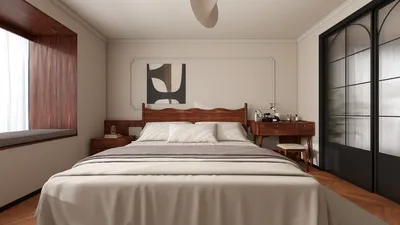


With over ten years of experience in designing residential and small space interiors, I’ve witnessed how LED strip lighting can completely transform living rooms. Recently, the trend towards layered, ambient lighting has inspired innovative ideas even in compact spaces. In this article, I’ll discuss ten creative LED strip lighting solutions for your living room — a blend of my personal projects and expert advice — to help you craft a warm, functional, and visually appealing environment using tools like Homestyler.
1: Cove Lighting for Ambient Effect
My Experience: In a small city apartment, I cleverly concealed LED strips within a ceiling cove, creating a mesmerizing floating glow that instantly elevated the room's height and relaxed vibe.
Benefits: Offers soft, diffused lighting that avoids stark shadows; ideal for minimalist living room layouts; energy-efficient according to U.S. Department of Energy statistics.
Drawbacks: Installation can be challenging if your ceiling is unsuitable; professional carpentry might be necessary for a flawless result.
Advice: Integrate dimmers to adjust lighting intensity for movie nights or reading sessions.
2: Under-Shelf Accent Lighting
My Experience: In a mid-century modern living room featuring floating shelves, I installed LED strips beneath each shelf to illuminate books and artwork, seamlessly incorporating them as part of the decor.
Benefits: Provides both functional task lighting and aesthetic appeal; suitable for DIY enthusiasts if shelves have a back lip.
Drawbacks: Cables can be exposed if not carefully managed; poor-quality strips might lead to inconsistent brightness.
For inspiration, I once paired under-shelf lighting with minimalist storage solutions to maximize spatial impact while avoiding clutter.
3: Behind-the-TV Backlighting
My Experience: Adding LED strip backlights around a TV creates a beautiful frame, alleviating eye strain and enhancing the cinematic experience.
Benefits: Decreases the contrast between the screen and the room, supported by lighting ergonomics research; enhances a contemporary aesthetic.
Drawbacks: Mismatched LED color temperatures with content can result in color distortion; adhesive may not cling well to rough surfaces.
4: Floating Cabinet Base Lighting
My Experience: Recently, I placed strips beneath floating media cabinets to create an ethereal hovering effect at night.
Benefits: Conveys a sense of weightlessness; facilitates navigation in low light without relying on harsh overhead lights.
Drawbacks: Dust accumulation under furniture becomes noticeable; requires meticulous wiring for cleanliness.
5: Wall Wash Lighting for Artwork
My Experience: In a compact loft, I ran a strip along the upper edge of a feature wall, beautifully enhancing the texture of exposed brick.
Benefits: Accentuates textures and artwork, creating a focal point; commonly recommended by architects for adding depth.
Drawbacks: Can become overwhelming if overly bright; not suitable for walls with too much visual clutter.
In one project, combining wall wash lighting with warm wood elements created a unified look in an open-plan living area.
6: LED Strips Inside Recessed Niches
My Experience: Integrating light into wall niches transformed them into stunning display areas for ceramics and plants.
Benefits: Maximizes the potential of architectural features; elegantly highlights objects with a gentle halo effect.
Drawbacks: Requires precise planning during wall installation; limited adaptability once installed.
7: Under-Couch Floor Glow
My Experience: In designing a lounge space with a subtle nightclub ambiance, I installed LED strips beneath the sofa for an enchanting floating glow.
Benefits: Establishes mood lighting without glare; strips are easy to conceal.
Drawbacks: May reveal dust bunnies; strips can be inadvertently dislodged.
8: Illuminated Ceiling Beams
My Experience: Retrofitting LED strips along the sides of wooden ceiling beams added a rustic yet modern appeal to the space.
Benefits: Accentuates architectural details and distributes light evenly across the ceiling.
Drawbacks: Not recommended for very low ceilings; requires careful heat management.
Combining beam lighting with concepts generated by Homestyler can assist in visualizing the effects before installation.
9: LED-Lit Curtain Tracks
My Experience: Concealing LED strips above curtain pelmets provides a soft uplight, giving windows an illusion of spaciousness.
Benefits: Enhances window appeal; ideal for creating a luxurious, hotel-style atmosphere.
Drawbacks: Needs power access near the curtain track; cleaning pelmets may disturb the strips.
10: Multicolor RGB Mood Lighting
My Experience: For sociable settings, employing RGB LED strips allows for dynamic color shifts to match different occasions — from laid-back Sundays to lively parties.
Benefits: Offers versatile control over ambiance; can be integrated with smart home technology; color psychology enhances mood.
Drawbacks: Excessive bold colors may feel disordered; not everyone may prefer them for everyday lighting.
Tip: Opt for customizable app-controlled strips to easily adjust both brightness and color temperature.
Conclusion
Small living rooms are not a hindrance to style but rather an invitation for innovative lighting design. From ambient cove lighting to playful RGB effects, LED strips unleash limitless creative potential in compact spaces. As noted in the IES Lighting Handbook, layered lighting is essential for comfort. Which of these LED strip lighting concepts with the help of tools like Homestyler motivates you to rethink your living area?
FAQ
1. What is the most effective LED strip lighting concept for a small living room?
Soft cove lighting is widely regarded as the most efficient, adding depth without taking up physical room.
2. Are LED strip lights energy-efficient?
Absolutely, as reported by the U.S. Department of Energy, they use considerably less energy than traditional incandescent bulbs.
3. Can I self-install LED strips?
Many plug-and-play kits are user-friendly, although custom ceiling or recess installations might require a professional touch.
4. How long do LED strip lights typically last?
High-quality LED strips can endure up to 50,000 hours with proper maintenance.
5. Do LED strips generate heat?
They emit minimal heat but must have appropriate ventilation to prevent damage and prolong lifespan.
6. Can LED strips damage walls or furniture?
Only if the adhesive is too strong or the surfaces fragile; it’s advisable to test a small area first.
7. Are RGB LED strips suitable for daily use?
Yes, provided you choose adjustable white settings for regular lighting along with colors for highlights.
8. What is the estimated cost for LED strip lighting installation in a living room?
Basic setups can be found for under $50, while custom designs with features and 3D render previews could cost several hundred dollars.
Homestyler is your go-to online platform for home design! With its user-friendly design tool, stunning 3D renderings, and a wealth of DIY video tutorials, you can effortlessly transform your space and explore endless design possibilities. Bring your vision to life with Homestyler today!
Projete agora para LIVRE
































