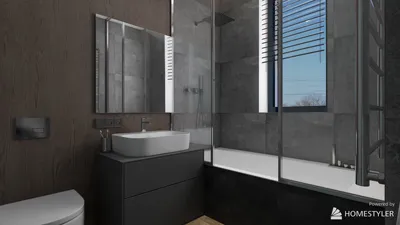


At one point, I designed a studio where the client insisted on keeping every ceiling beam visible, which meant overhead fixtures were a no-go. Initially, I felt overwhelmed, but then I remembered that small spaces can ignite creativity — a challenge I truly enjoy. In this article, I’d like to share five clever lighting approaches I’ve successfully implemented to illuminate areas without relying on ceiling lights, featuring practical tips and real-life examples. Additionally, tools like Homestyler can help visualize these ideas effectively.
1. Layered floor and table lamps
I enjoy combining a tall floor lamp that provides ambient illumination with various table lamps for task and accent lighting. This approach is both budget-friendly and versatile; simply moving a floor lamp can transform the ambiance instantly. However, careful planning of cord placement and choosing lamps that complement the room’s scale is essential to avoid clutter.
save pin
2. Wall-mounted sconces (hardwired or plug-in)
When ceiling fixtures are off the table, wall sconces become key players in lighting design. They save floor space and can offer stunning wall washes or focused task lighting. If hardwiring isn't feasible, plug-in sconces are a fantastic solution, though they do require careful cord management to keep the look sleek.
save pin
3. LED strips and accent lighting
Incorporating LED strips under cabinets, behind televisions, and along shelves can greatly enhance the visual depth of a space. I once installed warm LED strips behind open shelving in a compact kitchen, effectively making the area feel larger. They are energy-efficient, but it’s crucial to pay attention to the color temperature — overly cool tones can make a room feel uninviting.
save pin
4. Portable smart lights and rechargeable lamps
Battery-operated lamps and rechargeable puck lights are lifesavers in areas where wiring isn't an option. Smart bulbs that fit in floor or table lamps allow you to adjust warmth and brightness via an app, perfect for creating distinct zones. Keep in mind that these options may require frequent recharging and typically provide less light output compared to traditional fixtures.
save pin
5. Mirrors and reflective surfaces to amplify light
Using mirrors, glossy backsplashes, and metallic finishes can significantly enhance both natural and artificial light. For instance, I improved a dimly lit bedroom by placing a large leaning mirror across from the window; the reflection of daylight made the space feel brighter without adding any additional bulbs. It’s important to consider the positioning to avoid creating glare hotspots.
save pin
Tips 1:
For an effective setup, position ambient floor lamps near seating, task lamps close to reading spots, and use accent LEDs for display areas. I often rely on tools like Homestyler for virtual layout planning, which helps visualize optimal light placement and scale.
save pin
FAQ
Q1: What types of bulbs provide the best warm, natural light without overhead fixtures?
A1: For a warm, inviting glow, opt for LED bulbs with a color temperature between 2700K to 3000K and a high Color Rendering Index (CRI) above 90, which is ideal for skin tones and creates a cozy atmosphere. Plus, LED bulbs are energy-efficient compared to incandescent options.
Q2: How many lamps are necessary to adequately light a small living room?
A2: Aim for a minimum of three layers of lighting — ambient (one or two floor lamps), task (reading or table lamps), and accent (LED strips or small uplights) — to ensure the space is well lit and avoids flat illumination.
Q3: Are plug-in wall sconces a reliable option compared to hardwired ones?
A3: Absolutely, plug-in sconces are safe when utilized with the correct cords and properly rated outlets. It’s advisable to consult an electrician if you have any concerns about load capacity.
Q4: Can mirrors substitute for actual light sources?
A4: While mirrors can enhance existing light, they cannot completely replace it. Use them to maximize daylight and augment lamp brightness, not as the only source of light.
Q5: What is the optimal color temperature for mixed lighting?
A5: Stick to a consistent temperature range of 2700K to 3000K for visual harmony; using starkly different warm and cool lights can lead to an unbalanced feel.
Q6: How can I conceal cords from floor and table lamps?
A6: You can run cords along baseboards, tuck them under rugs, or use cord covers painted to blend with the walls. For a tidier appearance, plug lamps into outlets hidden behind furniture or utilize surge strips that offer cable management solutions.
Q7: What affordable lighting upgrades can renters consider?
A7: Options like battery-operated lamps, plug-in sconces, and adhesive LED strip tape are ideal for renters as they require no drilling and can be easily removed.
Q8: How can I visualize these lighting adjustments in 3D before purchasing fixtures?
A8: I frequently use online room planners to test lamp placements and scale; professional 3D floor planners can effectively demonstrate how various lighting sources interact within a space, aligning with recommendations from the American Lighting Association on layered lighting.
save pin
Homestyler is your go-to online home design platform! With its user-friendly design tool, stunning 3D renderings, and a wealth of design projects and DIY video tutorials, you can effortlessly turn your interior design dreams into reality. Start creating today!
Projete agora para LIVRE
































