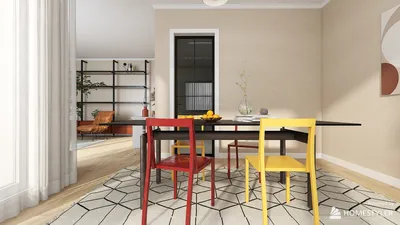


In one memorable project, I boldly painted a client's compact living room in vibrant orange, which nearly led to a spat between the sofa and the wall. This experience taught me that orange can be both invigorating and overwhelming based on its shade, dimensions, and lighting conditions. Consequently, I now prefer to utilize 3D room mockups with Homestyler to visualize how colors will look before any actual painting begins.
1. Warm Terracotta Accent Walls
Terracotta orange has become my favorite choice when clients seek warmth without excessive energy. It creates a sense of depth behind neutral sofas, beautifully complements wooden elements, and effectively conceals minor scuffs. However, be cautious, as it can make smaller spaces feel enclosed if overapplied. My suggestion is to paint only one wall and observe how it changes throughout the day.
save pin
2. Orange Textiles for a Fresh Touch
Incorporating throw pillows, an orange rug, or a single curtain in this color can instantly elevate a room without the commitment of paint. I once revitalized a rental living space using thrifted orange textiles — a strategy that delivered significant results on a tight budget, although careful curation is essential to prevent clutter. A budget tip: textiles are a great way to test new ideas and can be easily swapped out.
save pin
3. Balancing Orange with Natural Materials
Pairing subtle orange hues with materials like wicker, rattan, and raw wood can soften vibrant tones; this is ideal for open-concept layouts that connect to kitchens. Maintaining a cohesive warm palette will ensure a seamless flow throughout the space. If you’re considering a kitchen refresh, I often look to kitchen layout ideas for inspiration, ensuring harmony throughout the design — a small step that avoids clashing aesthetics.
save pin
4. Tangerine Accents in Art and Lighting
Adding small hints of tangerine through lamps or artwork allows you to infuse character without overwhelming your space. This method appeals to clients hesitant about bold walls since it remains flexible and enjoyable. However, be mindful that bright orange lighting can alter skin tones on video calls, so testing bulbs is crucial. Pro tip: place vibrant accents opposite neutral focal points to maintain visual balance.
save pin
5. Using Orange for Space Zoning
In small apartments, I strategically apply orange to define areas like cozy seating nooks or media zones, creating visually distinct sections without the need for physical barriers. This clever trick gives multifunctional spaces a more intentional feel; however, it's crucial to keep other areas calm so that the orange zones serve as attractive features rather than distractions. When planning furniture arrangements, I often create quick sketches and utilize Homestyler to revise them later when clients request alternative layouts — efficient room planning can make a remarkable difference.
save pin
FAQ
Q1: Is orange a viable choice for small living rooms?
Certainly — provided you choose the right shade. Muted terracotta or pumpkin tones can provide warmth while preventing the room from feeling cramped. Applying them to one wall or incorporating them in textiles keeps the space feeling open.
Q2: Which colors work well with orange?
Warm shades of orange harmonize beautifully with deep greens, denim blues, and creamy neutrals. I frequently suggest testing samples on the wall to observe how they interact with the room's natural light.
Q3: How do I select the right orange shade?
Pay attention to the light direction: north-facing rooms often benefit from warmer, richer oranges, while south-facing areas can accommodate brighter hues. I always recommend testing swatches at eye level and monitoring them throughout the day.
Q4: Can orange be incorporated into minimalist designs?
Absolutely. A single, muted orange accent against a minimalist backdrop and furnishings serves as a stunning focal point without overwhelming the space.
Q5: Are there any practical issues with orange paint?
High-chroma oranges can fade in sunlit areas, making it essential to select durable finishes for high-traffic walls and consider UV-resistant window treatments where necessary.
Q6: How can I decorate an orange-themed room while on a budget?
Commence with accessories — cushions, throws, a rug, or even one striking lamp. Swapping out soft furnishings is budget-friendly and reversible, making it a preferred strategy for clients mindful of expenses.
Q7: Are there any psychological or health effects from orange?
Orange is commonly associated with energy and sociability, which can uplift moods in living areas. To maintain a sense of calm, it pairs well with grounding neutrals and natural materials.
Q8: Where can I find professional color advice?
Seasonal color reports and pairing guides from major paint brands and sources like Pantone offer invaluable insights. For layout and visualization ideas, consider using quick plans or mockups like those available in Homestyler as you explore various concepts.
Looking to transform your space? Homestyler is your go-to online home design platform! With its easy-to-use design tool, stunning 3D renderings, diverse design projects, and helpful DIY video tutorials, you can effortlessly create and visualize your dream home. Start designing today!
Projete agora para LIVRE
































