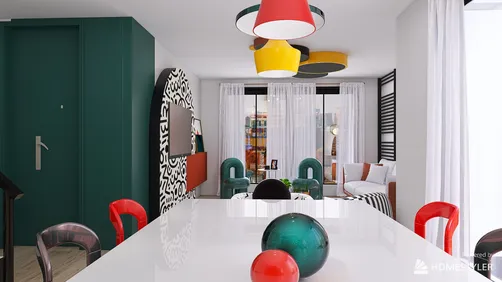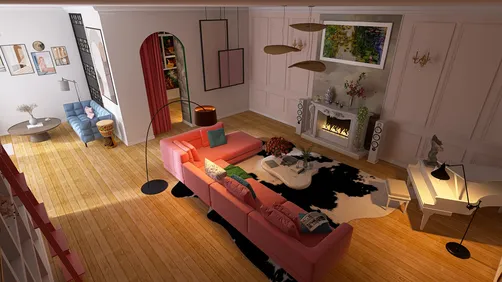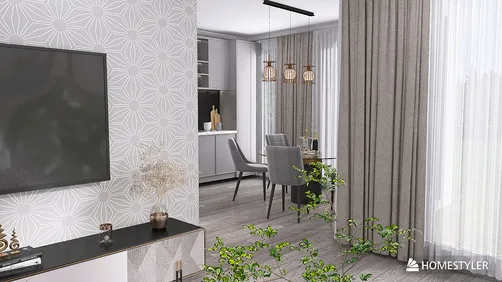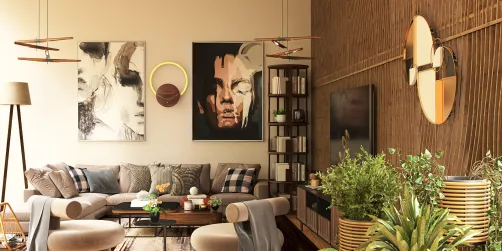
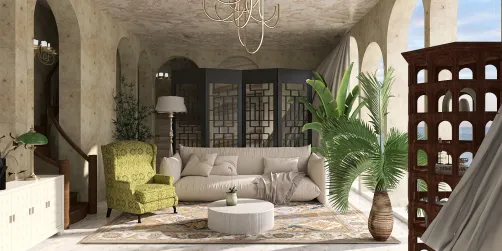
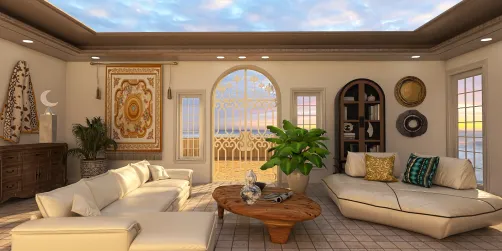
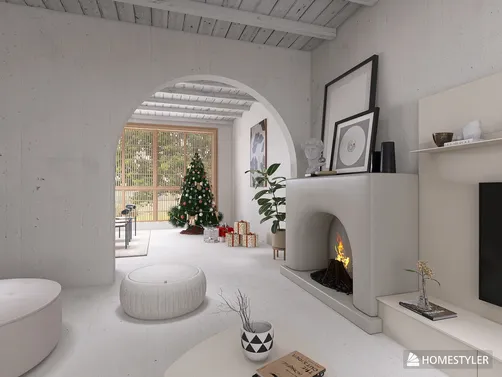
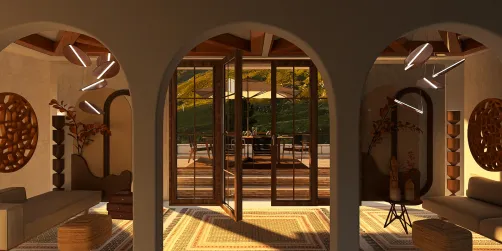
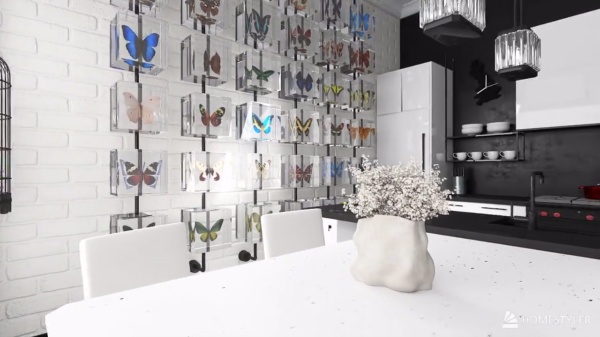
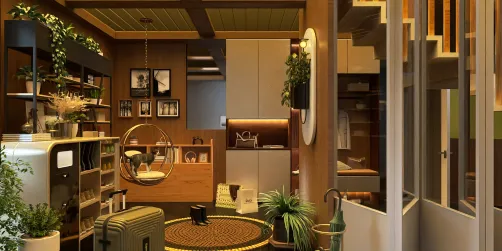
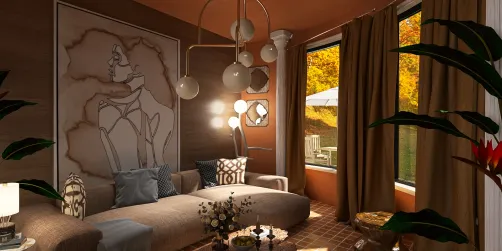
Culture significantly influences the realm of interior design, as it encapsulates the values, traditions, and lifestyles of various communities globally. When envisioning interior design, we typically think of factors like aesthetics, functionality, and comfort. However, it is the cultural influences that imbue spaces with their distinctive character and significance. Every detail, from our color selections to the materials employed, is shaped by cultural context. For instance, many Asian traditions underscore the importance of Feng Shui, which promotes harmony and balance in the arrangement of furniture to enhance positive energy flow. In a similar vein, Scandinavian design is characterized by its minimalism and functionality, reflecting a cultural respect for simplicity and nature. Cultural symbols and motifs are also pivotal in interior design. Indigenous patterns, textiles, and artifacts can transform a space, narrating stories of heritage and identity. These features not only enhance the beauty of a room but also foster a sense of pride and connection to one’s roots. Additionally, culinary and familial traditions often influence the design of communal areas. For example, in Mediterranean cultures, kitchens are intentionally designed to be warm and welcoming, promoting gatherings and shared meals. This cultural perspective nurtures a sense of belonging, with the kitchen often regarded as the heart of the home. Color usage is another domain where culture leaves its mark. In many Latin American regions, vibrant hues dominate interiors, echoing the lively spirit of the populace and their festivities. Conversely, Japanese interiors frequently emphasize muted tones and natural materials, aspiring for tranquility and simplicity. For interior designers, grasping these cultural subtleties is vital for crafting spaces that resonate with their occupants. A thoughtful approach to design honors the narratives and traditions of those who will inhabit the spaces we create. The globalization of design has fostered a fusion of cultural influences, resulting in unique styles that celebrate diversity. For instance, bohemian design merges elements from various cultures, creating eclectic and personalized environments. This blend allows individuals to articulate their identity while drawing from a broader array of inspirations. Ultimately, the impact of culture on interior design highlights that our environments extend beyond mere aesthetics; they are reflections of our identity. By recognizing and integrating cultural elements, we can cultivate spaces that are not only visually appealing but also imbued with meaning and authenticity. As we delve into the interplay between culture and design, let us honor the rich tapestry of influences that shape our living spaces and the narratives they convey. Whether you are a professional designer or a passionate enthusiast, a deeper understanding of these cultural dynamics can enrich your design journey, revealing new avenues for creativity and expression. Incorporating tools like Homestyler can help visualize these cultural elements in your design projects, enhancing the overall experience.
Tips 1:
Think about the cultural background of your design selections, as it can create a more genuine and personalized atmosphere.
FAQ
Q: How can I weave cultural elements into my home design? A: You might consider utilizing traditional textiles, artwork, or color palettes that represent your heritage or the cultures you appreciate.
welcome to Homestyler






















![Design [4]](https://hs-designs.homestyler.com/production/design/images/07c2de3a-88ec-4be8-8910-ff255b795bc2/1731419398293/7841697.jpg?x-oss-process=image/resize,w_502,m_mfit/format,webp)