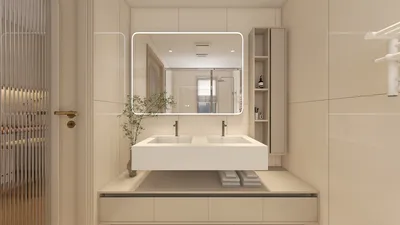


After analyzing numerous hotel rooms across various brands and locations, the debate between 'Deluxe' and 'Executive' rooms is surprisingly common. In essence, Deluxe rooms prioritize larger sizes, upgraded finishes, and better views, whereas Executive rooms add layers such as lounge access, complimentary breakfast, evening snacks, expedited services, and quieter environments with ergonomic spaces. The best choice hinges on your travel purpose, whether it's leisure, business, or a combination of both.
To emphasize how environment influences both comfort and productivity, it’s important to consider research from Steelcase which indicates that a variety of postures along with quality seating can minimize discomfort and maintain attention during work sessions. This aligns with the enhancements typically found in Executive rooms, such as ergonomic desk chairs and improved lighting options. Additionally, WELL v2 guidelines on lighting underscore the importance of proper vertical illumination and circadian-friendly light spectra; executive floors often incorporate layered lighting (ambient alongside task lighting) that meets these requirements, especially for those working during early or late hours. In terms of color and ambiance, studies on color psychology, including insights from Verywell Mind, highlight that cooler neutral tones, particularly muted blues and greens, tend to encourage a calm focus—color schemes commonly employed in Executive accommodations to alleviate stress.
Examining the spatial and service elements, Executive rooms typically feature lounge access, significantly altering the overall experience. This access includes breakfast, midday snacks, evening hors d’oeuvres, and comfortable seating areas with stable Wi-Fi. Research from Herman Miller points out that having access to varied work environments enhances productivity and mental rejuvenation, making it advantageous to have a secondary space outside your room for tasks such as responding to emails or making phone calls. Added benefits like priority check-in, garment pressing, and superior soundproofing create a compelling case for efficiency.
Understanding the Key Differences Between Deluxe and Executive Rooms
In the majority of four- and five-star hotels, there seems to be a consistent pattern:
When to Choose a Deluxe Room
For leisure travels where exploration is the focus, opting for a Deluxe room could be ideal, especially if you seek a spacious room with a premium bed and an enticing view. Typically, features include:
From a design perspective, Deluxe rooms often highlight aesthetic harmony—symmetrical bedside lighting, inviting sitting areas, and soothing color contrasts. If lounge access or business amenities aren't a priority for you, the Deluxe option allows you to redirect your budget towards dining or spa experiences.
When an Executive Room is the Right Choice
Executive rooms become worthwhile when time efficiency and predictability are key. Here are scenarios where I recommend them:
In design, Executive tiers often prioritize functionality: adjustable lighting for screens, neutral color palettes that minimize eye strain, and separation of work and rest areas.
Key Considerations: Lighting, Ergonomics, and Sleep Quality
Upon arrival, I typically assess three essential factors:
Acoustic Comfort and Spatial Arrangements
Acoustic conditions are as vital as the quality of bedding. Executive spaces usually incorporate enhanced features: seals on doors, denser corridor carpeting, and solid headboard walls. The arrangement of in-room elements is crucial too—ensuring beds are slightly away from walls, adding soft decor, and including rugs to reduce sound reflections. For guests sensitive to noise, requesting a room away from elevators and ice machines, preferably on a higher floor, is advisable.
Color, Material Choices, and Sensory Peace
Deluxe accommodations often feature warmer wood tones and textures for a cozy ambiance, while Executive rooms generally favor cooler, neutral colors of subdued blues or greens that encourage productivity. Insights from color psychology reveal that blue tends to evoke calm, trust, and lowered stress levels—ideal for a work-centered environment. Selecting materials with a lower sheen helps in minimizing glare, while textiles with higher Noise Reduction Coefficient (NRC) assist in absorbing mid-to-high frequency sounds, thereby enhancing privacy.
Understanding the Value Proposition: What You’re Paying For
Consider the price difference as a bundled package: meals and light refreshments in the lounge can effectively offset dining expenses. Reliable seating and tranquil areas can translate into heightened productivity. If breakfast for two and evening snacks are part of the offering, the cost gap is often justified. For those not utilizing the lounge, selecting a Deluxe room with the best view can be a wiser alternative.
Planning Room Layout for Family Stays or Workations
During trips that blend work with family activities, I specifically seek out spatial separation. A Deluxe corner room featuring a chaise lounge or small sofa may outperform a compact Executive option if lounge access isn’t required. When comparing layouts, visualizing furniture arrangements and circulation paths prior to booking is beneficial; using a room layout tool like the one offered by Homestyler is particularly useful when reviewing hotel floor plans and dimensions to simulate luggage placement or parking for strollers and portable cribs.
[Room layout tool available]
Checklist Before Finalizing Your Booking
Expert Insights and Further Reading
Comfort with lighting and circadian rhythms aligns with WELL v2 principles on illumination (refer to WELL guidelines regarding optimal brightness and glare management). For insights on how posture and different settings impact productivity, exploring Herman Miller's research provides long-standing knowledge on ergonomics and cognitive recovery in work environments.
Frequently Asked Questions
Generally, yes, though the variation can differ based on location and season. If lounge access includes breakfast and evening snacks, the overall cost difference may be minimal for two individuals.
Not necessarily. Many brands maintain the same layout but enhance the floors, views, sound insulation, and services. Check the square footage detailed in the room specifications.
The predictability factor comes into play: lounge breakfasts eliminate waiting, provide quiet spaces for work, and ergonomic desk chairs paired with improved task lighting add to the experience.
Often, yes. The additional space along with sofas or chaise lounges can simplify bedtime routines, potentially making a splendid view more appealing than lounge access.
Very significant. A desk lamp with a color temperature between 3000-4000K strikes a balance between warmth and clarity for reading and screen use; cooler shades may seem clinical while warmer options enhance visual clarity.
If the floor is quieter and the room benefits from superior door seals and blackout drapes, prospects improve. Always request accommodations away from elevators and service areas.
Opt for the Deluxe room boasting the finest view or corner location. You can relish in the spaciousness without having to pay for amenities you may not need.
Typically, the difference is subtle. Executive rooms tend to prefer low-sheen finishes and calming neutral tones for focus, while Deluxe accommodations lean towards warmer textures for comfort.
Indeed. Enhanced lumbar support and adjustable features alleviate fatigue during lengthy sessions, particularly when using laptops.
Layered lighting and blackout curtains can significantly aid in maintaining sleep schedules. Some Executive rooms even introduce dawn/dusk dimming options for smoother transitions.
Request a room on a high floor, at the end of a corridor, away from elevators and ice machines. Specify orientation if the view is vital.
Compile a list detailing included amenities—meals, evening services, garment pressing, late check-out—and then evaluate your typical food expenses and saved time. Choose the option that aligns best with your lifestyle.



If you're looking to transform your home effortlessly, Homestyler is your go-to platform! With its user-friendly online design tool, impressive 3D renderings, and a wealth of DIY video tutorials, you can explore endless design projects and breathe life into your interior ideas with confidence.
Projete agora para LIVRE
































