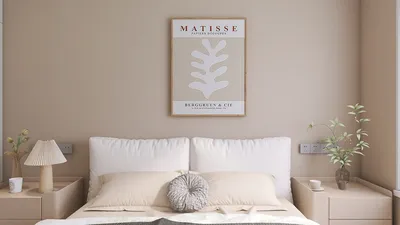


My focus is on designing event venues that can adapt quickly to changing programs. The MCC Hall’s ECR (Event, Conference, Retail) concept functions like a versatile toolkit: one foundational space, yet capable of embodying many different identities. My objective is to create an effortless transition between various settings such as keynotes, breakout sessions, expos, and food & beverage areas, all while enhancing attendee comfort and operational efficiency.
Two primary insights inform my approach. Firstly, research by Steelcase indicates that having choice and control over one’s environment is crucial for enhancing experiences and engagement in multipurpose areas; greater spatial variety links directly to higher satisfaction and performance levels. Secondly, the WELL v2 framework highlights the importance of manageable lighting and acoustic comfort, pointing out that effective glare control, suitable illuminance, and noise reduction directly affect cognitive performance and fatigue levels. I aim to implement these principles through modular grid systems, adjustable light layers, and intentional acoustic zoning that conveys a sense of purpose rather than randomness. For a deeper dive, reference Steelcase's research.
From a lighting perspective, guidelines from the Illuminating Engineering Society (IES) advocate for task-specific illuminance and careful glare management in presentation environments. I typically plan for 300–500 lux for general seating areas and 500–750 lux in exhibitor spaces, utilizing optics with a UGR of 19 or lower to preserve sightlines. The effectiveness of the lighting controls is as crucial as the fixtures themselves: having preset scenes for keynotes (front-focused lighting at 2700–3000K), expos (uniform lighting at 3500–4000K), and dining areas (warm dim lighting at 2200–2700K) ensures efficient turnover rates. I also adjust color temperature based on psychological impact, as noted by Verywell Mind, where warmer light tends to be more relaxing, while cooler lights provide energizing effects—thus harmonizing pre-event hospitality illumination with warmer dim settings while opting for neutral to cool tones during intensive learning sessions.
Space Strategy: ECR Zoning That Works
I divide the MCC Hall into three dynamic sections: Event (stage + plenary), Conference (breakouts + lounges), and Retail (temporary food and beverage areas and brand kiosks). The overall structure is flexible, utilizing operable partitions and movable furniture. As I design the flow, I conduct multiple layout tests to evaluate queuing, ADA compliance, and egress routes. A venue layout tool helps visualize seating arrangements and booth density, ensuring efficient sightlines before the event takes place: think of it as an internal layout planner.
Event Core: Stage, Sightlines, and Comfort
For plenary sessions, I maintain a 1:8–1:10 ratio of seat width to stage width to preserve proportion, while keeping the distance to the first row at 1.5–2.0 times the height of the image for optimal visibility. A raked portable platform addresses sightline issues for the back rows without a fixed tier system. I also aim for aisle widths of 1.1–1.2m for mid-row exits and 1.8–2.1m cross aisles at the rear to accommodate camera platforms and AV setups. Acoustic comfort remains a top priority: I install sound-absorbing “clouds” (NRC ≥0.80) above audience areas, utilize diffusive treatments on rear walls to minimize echo, and employ partitions with STC ratings between 45 and 50 to contain sound leakage between core and breakout areas.
Conference Band: Breakouts That Adapt in Minutes
Breakout spaces are designed on a 3m modular framework to ensure that air, power, and sprinkler heads align even as partitions are moved. I maintain two distinct furniture kits—one for learning modes (narrow tables and task chairs) and another for collaborative settings (round tables and stackable chairs). Ergonomically, I ensure seat heights hover around 450mm with backs designed for lumbar support; the WELL v2 standard promotes adjustable ergonomic features to enhance comfort and reduce fatigue. To quicken turnover times, all kits are stored on labeled dollies, incorporating cable trays into leg frames to minimize visual clutter.
Retail & F&B: Revenue Meets Wayfinding
Retail and F&B areas function along a centralized spine; kiosks measure between 2.4–3.0m with power access at every 6m to avoid messy cords. I strategically place high-demand items along primary traffic routes, ensuring clearances of 1.8–2.4m to facilitate two-way movement, including accommodating strollers and wheelchairs. Thermal comfort near cooking stations is enhanced through localized exhaust systems and air curtains at entrances to prevent drafts. I also regulate music levels in F&B spaces to a maximum of 70 dBA Leq to keep the energizing ambiance without overwhelming conversation.
Light, Color, and Behavior
The relationship between lighting and behavior is significant. For sessions focused on learning, I maintain a target correlated color temperature (CCT) in the range of 3500–4000K to promote alertness; in contrast, for networking lounges, I soften the lighting to 2700–3000K using layers of sconces and table lamps to create a cozy atmosphere. Insights from Verywell Mind on color psychology support these choices: soothing blues and greens can mitigate perceived stress, while vibrant reds can increase energy—suitable for activation areas but used judiciously in seating spaces. Wall accents in desaturated greens and cool neutrals help concentrate focus on the content, minimizing visual fatigue.
Acoustics: Absorb, Block, and Cover
I apply a diversified acoustic treatment throughout the hall: sound-absorbing elements on ceilings above the audience, wall panels situated at initial reflection points, and soft-surfaced rugs in lounge areas. Wherever partitions flex, I specify high-STC operable elements with perimeter sealing, supplemented by vestibules near active doors. For exhibitions, I employ adaptive sound masking in pre-function hallways to smooth out noise from foot traffic while ensuring clarity of program audio. Should a keynote presentation overlap with product demos, I implement a directional speaker array paired with cardioid subs to contain low-frequency sounds effectively.
Circulation, Queues, and Egress
It's essential to plan for congestion rather than assuming perfection. I size lobbies to accommodate 0.6–0.8 sqm per person during peak times and maintain 3.0m main pathways. Registration desks are arranged perpendicular to the flow, utilizing zig-zag stanchions that can compact themselves when not in use. Visibility of restrooms and F&B stations from the entrance is critical, but their positioning is offset to prevent bottlenecks. All key pathways adhere to ADA width requirements and designated turning radii; I incorporate contrasting floor tones and consistent handrails for more intuitive navigation.
Digital Backbone: Power, Data, and AV
Floor access boxes are strategically placed every 3–6m, each equipped with duplex power options, data connection, and spare capabilities. I prefer DMX/PoE-enabled lighting for rapid reprogramming while optimizing heat dissipation. Features like confidence monitors and return audio setups are standard for presenters, with simultaneous interpretation booths receiving direct sightlines and isolated HVAC to avoid background noise interference. Wi-Fi is designed for high-density loads—targeting 3–4 devices per attendee in tech-oriented events—by utilizing sectorized antennas to minimize any potential signal interference.
Materials, Safety, and Sustainability
Materials in event spaces face significant wear and tear. I propose low-VOC finishes, stain-resistant upholstery (with a minimum of 100,000 double rubs on Martindale), and modular carpet tiles for swift replacements. Implementing edge guards on platforms and non-slip surfaces on cable ramps helps mitigate tripping hazards. Whenever feasible, I advocate for modular partitions and reusable scenic elements to minimize waste; back-of-house operations include dedicated recharge areas and storage for battery units to manage e-waste effectively.
Operations: The Turnover Playbook
The efficacy of design is contingent on resets. I develop scene presets (for keynotes, panels, workshops, expos, and galas) with lockouts while labeling each lighting zone according to its function rather than its circuit number. Storage is categorized by kit type rather than by department to ensure that furniture and AV resources move together seamlessly. Moreover, a digital layout library housed in the same platform as the room planning allows every crew lead access to identical plans instead of outdated PDFs. For any last-minute configurations, I rely on a layout simulation tool to validate counts and clearances ahead of any physical adjustments.
Delivering the ECR Promise
The goal of the MCC Hall's ECR approach is to facilitate seamless transitions: environments that adapt without complications, lighting that modifies without producing glare, and acoustic elements that maintain focus. With a well-designed structure—incorporating modular grids, intelligent power solutions, and ergonomic furniture kits—you can efficiently accommodate a keynote in the morning, an expo at noon, and a gala in the evening without losing coherence.
FAQ
I plan for a minimum of five configurations: keynote theater, classroom, cabaret, expo grid, and banquet. Each setup features presets for attendee counts, aisle arrangements, and AV sightlines, allowing staff to reset in 60–90 minutes.
General audience areas should have lighting levels between 300–500 lux. For exhibitor spaces and product demonstrations, aim for 500–750 lux. Dining and hospitality zones should maintain lower levels of 100–200 lux with warm dim lighting, ensuring glare remains minimal with UGR ratings of 19 or lower in presentation areas.
For optimal performance, incorporate high-STC operable partitions rated between 45 to 50, adding perimeter seals and further enhancing with acoustic clouds and soft furnishings. It's beneficial to design vestibules for doors that experience high traffic and strategically position louder programs away from shared walls.
Base colors should remain neutral with desaturated greens and cool blues for tranquility; limit the use of vibrant reds to minor accent areas. Warmer tones are preferable in lounges and food & beverage areas where relaxation is the primary goal.
Before the event, pre-stage furniture on labeled dollies per zone, utilize organized cable looms, and prepare lighting presets for the expo area. Maintain a modular booth grid aligned with floor boxes to prevent shifts in power drops.
Place floor access boxes every 3–6m with additional spare circuits and data ports. Include a few overhead drop points for high-energy draws and ensure clear raceways so cables do not obstruct aisles.
Seat heights should be around 450mm, with supportive backs that allow for sufficient knee clearance in classroom configurations. Provide occasional standing options at the back and perch stools in lounge areas to promote a variety of postures.
In terms of acoustics, employ sound-absorbing ceilings and wall treatments, soft flooring options, and an effective low-level sound masking system. Ensure background music is capped so that conversations can comfortably exceed 70 dBA.
Absolutely; adjustable CCT can accommodate various behavioral modes: keeping a neutral-cool ambiance for focused activities and warmer settings for hospitality. Combined with dimming options and glare management, this setup enhances comfort and reduces the frequency of lighting resets.
I typically design for side aisles of 1.1–1.2m, with 1.8–2.1m cross aisles at the rear to allow for camera setups and ensure two-way flow without bottleneck situations.
Opt for networked equipment (using DALI/DMX/PoE where suitable), add spare conduit for future needs, and create accessible overhead zones. Keeping a digital inventory updated with the scene libraries after each event is critical.
Indeed; kiosks should be designed with modularity in mind while being strategically placed for ease of circulation, ensuring brand lighting is regulated to 3000–3500K, merging signage seamlessly with the venue's architectural elements to convey a cohesive experience.
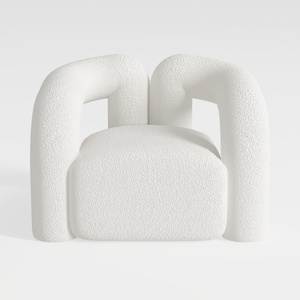
Darian Cream Modern Boucle Fabric Upholstered Acce

Tbfit Oversized Modular Sectional Sofa, Chenille
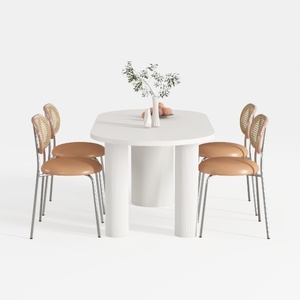
DUOMAY Modern Boucle Dining Chairs Set of 2,
Discover the ease of home design with Homestyler! This user-friendly online platform offers an intuitive design tool, stunning 3D renderings, and a wealth of DIY video tutorials. Transform your ideas into reality and explore endless decorating possibilities—all in one place!
Projete agora para LIVRE
































