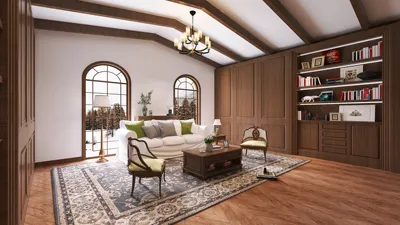


Having designed numerous L-shaped corridors in various settings such as apartments, villas, and multi-use lobbies, I have found that the ceiling plays a crucial role in determining whether a space feels cohesive or fragmented. The natural layout of an L-plan produces two segments, each with distinct proportions and lighting conditions. Thus, the false ceiling must effectively serve as a connector—streamlining circulation, improving sound quality, and guiding visual focus. Utilizing a tool like Homestyler can aid in visualizing these elements effectively.
Effective lighting remains foundational to good design. The WELL v2 Light framework emphasizes the importance of supporting circadian rhythms through proper light levels and color temperature management. In my projects, I typically recommend layering lighting that provides around 300-500 lux for general activities, with warmer dimmed settings of 2700-3000K for evening moods. To manage glare, I adhere to guidelines set by the Illuminating Engineering Society, ensuring uniformity and specific cut-off angles to minimize discomfort over longer distances. Interestingly, research from Steelcase reveals that employees experience improved wellbeing in environments that balance control, comfort, and diversity—insights I apply to design corridors that transition from bright reception areas to tranquil lounge zones.
The interplay of color and psychology is equally significant. An article from Verywell Mind explains how blue-green hues can evoke calmness, while warm neutral tones impart a sense of comfort. In my approach to L-shaped corridors, tonal ceilings serve to visually unify both sections: slightly lighter shades in the longer arm help reflect light, while richer colors near the entrance provide a point of orientation. When experimenting with various traffic patterns or seating arrangements beneath the ceiling, I utilize layout simulation software, such as Homestyler, to assess sightlines and flow prior to determining soffit placements.
Key Design Principles for L-Shaped Halls
I adhere to a guiding principle of ensuring the ceiling fulfills three primary functions: connect, calibrate, and calm. The concept of connection involves implementing continuous lines—such as perimeter coves or linear rib patterns—that effectively link the two legs visually. Calibration refers to adjusting height and lighting characteristics to align with the designated purpose of each area: higher and brighter near entrances, slightly lower and warmer in spaces meant for relaxation. Calming, on the other hand, requires minimizing visual clutter through consistent modular designs, hidden light fixtures, and sound-absorbing materials as opposed to hard surfaces.
Ceiling Geometries That Steer Movement
Ceiling geometry acts as a narrative feature. In the longer part of the L, I often install linear baffles or slatted panels that run parallel to foot traffic, pivoting the slats 90 degrees at the corner to signal the turn without the need for signs. Incorporating shallow coffers (50-100 mm drop) can facilitate navigation around the bend: two coffers leading to the junction, followed by a continuous cove guiding movement down the shorter side. A gentle curve at the junction, echoed by a rounded ceiling reveal, softens the transition and enhances navigation for both pedestrians and wheeled traffic.
Layered Lighting for Added Depth and Comfort
Layering in lighting is essential. I combine: 1) low-glare linear LEDs for consistent ambient light, 2) wall grazers that draw the eye along the longer line, 3) focused accent lights to showcase art or furniture by the corner, and 4) hidden coves to create softer ceiling illumination. I prioritize a consistent color rendering index (CRI 90+) and coordinate correlated color temperatures (CCTs) to ensure task lighting harmonizes with ambient layers. Implementing dimmers or scene controls allows the adjustment of lighting from a maximum of 500 lux to a more subdued 150-200 lux for evening settings, without experiencing color banding or shifts.
Acoustic Solutions Embedded in the Ceiling
L-shaped corridors often transmit sound between the two segments. I incorporate micro-perforated gypsum panels with high noise reduction coefficients (NRC) or acoustic felt baffles to absorb mid-to-high frequency sounds. In areas where echoes can occur, like at the junction, a series of slatted wood panels backed with black acoustic fleece provide warmth and dampen sound. If budget permits, I suggest variations in absorption along the segments: more absorption near elevator lobbies and less in lounge areas to maintain a lively yet controlled atmosphere.
Materials and Maintenance Considerations
In residential corridors, I prefer painted gypsum with clear shadow gaps, complemented by warm wooden accents. In busier buildings, mineral fiber tiles with concealed grids or metal micro-perf panels offer improved durability and facilitate access to essential services. Choosing finishes with light reflectance values (LRV) in the 60-80 range helps maintain brightness in the corridor without inducing glare. Satin paints are easier to clean than matte finishes; I recommend specifying scrubbable surfaces around returns and supply vents.
The Role of Color Psychology at the Junction
The junction area serves as an emotional turning point. Cooler colors can make corridors feel more expansive, while warmer tones can create a sense of intimacy. I’ll use a pale blue-gray ceiling for the longer corridor to instill a sense of calm, transitioning to a creamy cove with brass highlights at the junction. This subtle shift—typically 1-2 steps in Munsell value—maintains a coherent feel throughout the hall, avoiding a patchy appearance.
Height, Proportions, and Visual Harmony
Given that most L-shaped corridors are narrow, the ceiling should create an impression of width. Using perimeter coves or floating trays can help draw the eye outward. Keep all bulkheads tight against necessary services, and where ducts need to be hidden, consider tapering the soffit to 150-200 mm while incorporating linear lights at the edges to make the mass appear less imposing. I typically aim for a minimum ceiling height of 2400 mm in residential settings; should drops be necessary, tapering the soffit and integrating edge lighting can help alleviate the visual weight.
Techniques for the Corner Zone
The corner deserves a distinct visual feature: options like a circular ceiling medallion paired with a flush-mounted ring light, a cross-axial coffer, or an inverted cove that illuminates the junction effectively. For navigation purposes, integrating a short section of RGBW lighting at the reveal, set to a soft white for everyday use, can also add a functional element, utilizing color shifts only for special events. Coupling this with a floor inset or console can enhance the visual cue.
Lighting Controls and Sustainability
Incorporating occupancy sensors with fade-on/fade-to-black features helps reduce drastic lighting transitions while conserving energy. Daylight sensors near windows work to maintain target brightness levels; in darker areas, a slightly elevated ambient light level prevents a cave-like effect. It is essential to keep drivers accessible and establish maintenance lanes above detachable panels. Creating scene presets: Welcome, Transit, Evening—each with distinct light intensity and CCT—supports human comfort in alignment with WELL v2 standards.
Safety, Compliance, and Seamless Integration
Ensure that the spacing of sprinkler heads corresponds with coffers, maintain fire detector coverage, and allow access to shut-off valves. Emergency lighting systems should be discreetly integrated, utilizing small downlights or concealed strips, while adhering to required egress levels. For signage, aligning ceiling reveals ensures that exit indicators stay within a clean datum, preventing disruptions to the overall design harmony.
Planning and Visualization Techniques
Prior to finalizing soffit designs, I model various arrangements of furniture and artwork to confirm sightlines and traffic flow. A room design visualization tool like Homestyler assists in assessing whether a linear cove creates hotspots on artwork or if a ribbed ceiling appears overly busy from a distance. Iterating on both layout and ceiling design leads to a more cohesive and easily navigable hall.
Five Effective False Ceiling Ideas
Implement a shallow cove extending throughout the L-shape to seamlessly transition at the corner. This soft halo effect ties the two legs together, decreases glare, and enhances a sense of spaciousness in narrow areas, with discreet downlights placed only where necessary.
Timber or PET felt slats can line the longer section, pivoting sharply at the junction, and adjusting spacing along the shorter side to create momentum. Sound-absorbing fleece can support these slats in strategic positions.
Consider a floating tray ceiling that descends 75-100 mm, with localized circular trays situated above seating areas. Concealed strip lighting around the trays adds depth, while a handful of adjustable accents can be used to highlight various artworks.
A single, continuous recessed channel light acts as a spine network flowing through the L-shape. Adjust light output by area while maintaining a consistent color temperature, aligning the spine with major doorways for a sense of order.
Combine smooth gypsum with alternating bands of 600-900 mm micro-perf material, each backed with insulation. This design creates a cohesive pattern around the corner while subtly absorbing sound and adding textural interest.
Typical Mistakes to Avoid
Avoid introducing too many fixture types; keeping it to two or three is sufficient. Refrain from complicating the junction with excessive height alterations, and ensure accessibility to essential services. Validate that linear light fixtures do not expose slab irregularities; implement deep recesses and high-quality diffusers. Also, ensure emergency signage remains unobtrusive within your overall design reveals.
Maintaining Excellence and Longevity
Opt for aluminum profiles featuring removable lenses, and choose LEDs with consistent color bins for reliability. Pay attention to areas where dust may accumulate (like covelips) by detailing edges for easy cleaning. In rental properties, consider using replaceable acoustic tiles that align with your visual design theme.
Frequently Asked Questions
Q1. What brightness level is ideal for an L-shaped corridor?
Aim for around 300-500 lux for general navigation, with the option to dim to 150-200 lux in the evening. Ensuring uniformity and managing glare should adhere to established lighting standards and WELL v2 comfort guidelines.
Q2. What ceiling materials are optimal for acoustics?
Micro-perforated gypsum with acoustic backing or PET felt baffles provide effective noise reduction while maintaining an elegant aesthetic. Slatted wood paired with fleece is excellent for balancing warmth and sound absorption in the junction area.
Q3. How can I visually integrate the two sections of an L-shaped corridor?
Utilize a seamless design element, such as a perimeter cove, a linear light channel, or consistent slat orientation that navigates the corner without interruption. Consistency in color and finish is key, with only subtle changes in value to indicate zoning.
Q4. Is it acceptable to only use downlights?
Yes, but relying solely on downlights may create uneven lighting and potential glare. I recommend combining low-glare ambient lighting with targeted accents and gentle cove illumination for a more balanced field.
Q5. What color temperature should I aim for?
Aim for a consistent range of 3000-3500K for general illumination. Use warmer tones during evenings while ensuring a CRI of 90+ for accurate color representation of finishes and art.
Q6. How should I approach corner detailing?
Introduce a distinctive visual element—a rounded reveal, circular tray, or accent feature—to denote the transition. Ensure this feature aligns with both floor and wall patterns for coherence.
Q7. Are smart controls beneficial?
Absolutely. Integrating occupancy sensors, daylight sensors, and customizable scene settings enhance comfort and energy efficiency while supporting circadian-friendly lighting levels throughout the day.
Q8. What minimum ceiling height should I consider?
Aim to maintain at least a 2400 mm clear height. Should changes be necessary due to service drops, taper the soffits while incorporating edge lighting to mitigate the visual heaviness.
Q9. How can I alleviate glare in lengthy corridors?
Implement fixtures with adequate shielding and cut-off features, avoid exposed point light sources, and rely on indirect cove and wall grazing lights to softly diffuse the illumination.
Q10. How can I test concepts before actual implementation?
Utilize a room layout simulation tool to model the corridor, validating lighting configurations, sightlines, and circulation patterns, before refining the fixtures and ceiling design accordingly.
Built on technology originally developed at Autodesk, Homestyler empowers anyone to design beautiful, realistic spaces in minutes. Join over 18 million users who have already discovered a smarter way to plan, visualize, and bring their dream homes to life — all from the comfort of a browser.

Modern Minimalist Beige Fabric Curved Sectional Sofa 3D Model
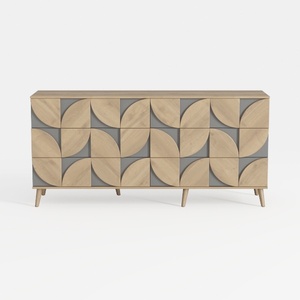
Modern Geometric Pattern Solid Wood Sideboard Cabinet 3D Model
Homestyler is your go-to online platform for home design! With its user-friendly design tool, stunning 3D renderings, and a wealth of DIY video tutorials, you can easily bring your interior design visions to life. Unleash your creativity and transform your space today!
Projete agora para LIVRE
































