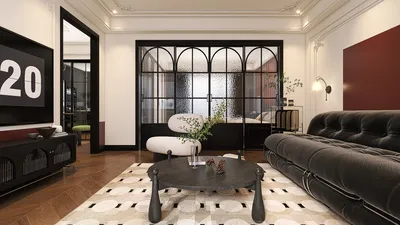


Effective study environments do more than just house books—they cultivate concentration, manage illumination, and optimize acoustics while ensuring all necessities are easily accessible. In designing wardrobes for these study areas, I view them as the foundational element of organization and a crucial aesthetic focal point. The choices made regarding storage directly impact productivity; research from Steelcase indicates that visual clutter can heighten cognitive load and anxiety, hampering efficiency, while well-organized and purposefully designed storage enhances focus and workflow (Steelcase insights on distraction).
The principles of ergonomics and health begin with strategic storage placement. The WELL v2 standard advocates for adaptable settings that reduce awkward body positions and encourage movement—storing frequently accessed items within a height of 700–1200 mm helps mitigate strain and promotes healthy access behaviors (WELL v2 Mind concept). Concurrently, IES lighting recommendations propose a brightness of 300–500 lux for reading and writing tasks, making it essential to choose wardrobe finishes and door styles that minimize glare in the workspace (IES lighting criteria).
From a behavioral perspective, the arrangement of storage areas can trigger specific routines: establishing a designated 'inbox' section for incoming paperwork, creating a display niche to highlight achievements, and incorporating hidden compartments for cables and devices. In the projects I undertake, getting these behavioral nuances right can decrease the time spent searching for items by 20–30%—not through guesswork but via precise mapping of reach, proper labeling, and a layout based on categories alongside suitable door mechanisms that enhance functionality. Consider utilizing tools like Homestyler to visualize these aspects effectively.
Fundamental Elements for Designing Wardrobes in Study Rooms
I emphasize five core principles: clarity, comfort, tranquility, rhythm, and identity.
Custom-Built vs. Standalone Wardrobes
Custom-built wardrobes maximize every inch of space, enabling storage to be seamlessly integrated around windows, doorways, or awkward ceiling angles. Additionally, they allow for the inclusion of cable management systems and lighting fixtures within the wardrobe structure. In contrast, standalone units offer versatility and can be repositioned to adjust the room’s balance if the desk layout changes. Should the study also function as a guest space or creative studio, a freestanding wardrobe with smooth gliding mechanisms simplifies future layout modifications.
Types of Door Mechanisms: Hinged, Sliding, and Pocket
Selecting the door type should align with the circulation space and the desk's working arc:
Prioritize testing clearances and sightlines using an interior layout planner so that movement paths, chair rollback space, and door swings do not create conflicts. If you’re seeking a quick solution, employing a room layout tool can effectively simulate interactions between the desk, chair, and wardrobe.
Intelligent Internal Layout: Zones Aligned to Your Working Style
Evaluate your daily workflow, then designate specific zones:
Lighting Solutions Inside and Surrounding the Wardrobe
Reliable task lighting enhances overall functional efficiency. I recommend maintaining 300–500 lux within the cabinet for clear labeling and item retrieval, while using 4000 K neutral white lighting to present accurate colors for documents and color samples. Edge-mounted LED profiles with diffusers eliminate harsh point sources of light. Also, consider glare; even a modest output of 300–500 lux can become problematic if reflecting off glossy wardrobe surfaces. Incorporating matte or low-sheen finishes at eye level can significantly enhance visual comfort, adhering to IES glare control recommendations.
Material Selection and Finishing: Durable and Tactile Calm
For modern study environments, I prefer a layered neutral color scheme: matte laminates or lacquer in soft gray or chalk tones, complemented by a wood-toned accent backing in the display niche. Low-gloss finishes minimize reflections; textured fluted or slatted fronts can reduce noise levels while enhancing aesthetic appeal. Opt for streamlined handles with 128–160 mm centers for uniform alignment, or select beveled finger pulls for a clean and understated visual. Emphasizing sustainability, I recommend FSC-certified cores and low-VOC finishes, coupled with durable edge banding in ABS or PP that resists wear and maintains a polished appearance over time.
Color Psychology’s Role in Focus
Colors can subtly influence behavior. Shades of blue and soft green are associated with serenity and sustained concentration, while vibrant reds can elevate excitement—ideal for brief bursts of activity but potentially exhausting during lengthy study sessions. A simple palette on the walls with a striking accent in the display area helps maintain balanced energy. For an insightful introduction to the impact of color on mood and cognition, refer to the general overview of color psychology.
Control Over Acoustics and Quiet Functionality
The effectiveness of study rooms hinges on acoustic management. Implement dense doors, soft-close hinges, and felt-backed panels to reduce minor sounds of usage. Inside the wardrobe, consider placing a 6–10 mm acoustic layer behind tech compartments; perforated panels with acoustic cores can absorb noise from printers. Utilizing carpet tiles or a cork runner in front of the wardrobe can help minimize footstep and chair movement sounds.
Balancing Proportions and Visual Harmony
Establishing a rhythm in design stabilizes visual perception. My aim is for uniform module widths—typically 400–600 mm bays—so handles and styles harmonize with the desk layout. Position heavier visuals lower: a darker base cabinet with lighter upper sections anchors the space. If the ceiling height is low, utilize vertical fluting; if it is tall, a prominent horizontal rail can lower the perceived visual center, creating a more intimate atmosphere.
Managing Hidden Technology and Cable Organization
Nothing disrupts focus like a tangle of cables. Direct power sources along the back of the wardrobe within a designated chase, exiting through grommets equipped with silicone brushes, and attach Velcro ties to a shallow side panel. A magnetic strip located inside a wardrobe door can hold dongles and adapters for easy access. Ensure ventilation in the tech compartment (with slots at the top and bottom) to facilitate air circulation, and consider including a master switch for convenient end-of-day power management.
Space Optimization in Small Rooms
When space is at a premium, sliding doors or fabric panel screens save swing space. Use shallow libraries (300–350 mm deep) for paperbacks and A4 binders, reserving one deeper bay (450–600 mm) for bulkier items. Incorporate a mirrored panel on a single door to reflect light; keep other surfaces matte to manage glare. Test the layout using a digital interior layout planner to avoid conflicts with chair movement and door clearance.
Versatile Spaces: Combining Study Areas with Guest or Studio Functionality
For multifunctional spaces, design a wardrobe that includes a foldable work surface or a hidden Murphy-style desk. Store bedding in vacuum-sealed bags within the upper bay; choose sliding doors to prevent clashes with a pull-out sofa. If the space also serves as a recording area, line one section with acoustic foam and include a curtain that can be drawn across the desk region to minimize sound reflections.
2024–2025 Design Trends I'm Embracing
Quick Measurement Reference
Recommended Real-World Setup
A built-in wardrobe featuring three bays: the left bay for easy access to books with 280 mm shelves; the center bay used as a tech hub equipped with pocket doors, a pull-out shelf, and acoustic lining; and the right bay allocated for deep storage with labeled bins and a narrow section for hanging blazers or bags. The smooth warm-gray fronts, wood-toned niche, slender black pulls, and edge-lit glass shelf in the display area create a serene environment that is functional and adaptable as projects evolve. Homestyler can be a useful tool to visualize such designs.
Frequently Asked Questions
For books and files, a depth of 300–350 mm is generally effective. For gear or storage of larger items, consider 450–600 mm. It’s advisable to keep at least one deep bay while the rest should remain shallow to maximize space utilization.
Sliding doors help minimize space usage. Utilize high-quality bottom-rolling tracks with soft-close features to reduce noise during focused tasks.
Aim for 300–500 lux at the shelf's face using a neutral color temperature of 4000 K. Implement diffused LED strips with door-activated switches to prevent hotspots and conserve energy.
Store frequently used items between 700–1200 mm in height, archiving others above and keeping heavier objects down low. Clearly label the front of bins and limit stacking to one layer deep.
Design an air-ventilated tech bay with a pull-out shelf, including a thin acoustic liner behind the equipment, and select doors with dense cores and soft-close mechanisms.
Choose matte or low-sheen finishes in neutral hues to minimize glare and visual distractions. Keep high-contrast features away from eye level and limit vibrant accent colors to a single display niche.
Absolutely—manage power by routing it through a rear chase, exiting via grommets with brush seals, and installing cable tie points along the side panel. A single master switch allows for easy shutdown.
Prototype your workspace layout with a digital simulation tool like Homestyler. A brief run-through using a room design visualizer will quickly reveal potential conflicts.
Gentle blues, greens, and warm grays foster a calm work environment. Use vibrant colors sparingly as accents to prevent fatigue during extended study periods.
For tasks like reading and writing, 300–500 lux at the task plane is a dependable benchmark that aligns with IES recommendations. Combine this with glare management through matte finishes and diffused lighting solutions.
Looking to elevate your home design game? Homestyler is your go-to online platform! With its intuitive design tool, stunning 3D renderings, a plethora of design projects, and engaging video tutorials, it's never been easier to create your dream space. Start designing today!
Projete agora para LIVRE
































