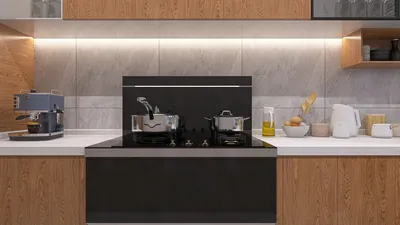


When I enter a consulting room, I perceive it as a micro-clinic where medical precision, patient understanding, and staff productivity intersect within a limited space. Recently, I've discovered that simple tweaks in lighting, sound management, flow, and furniture selection can significantly alleviate patient anxiety and enhance staff efficiency during consultations. Research by Steelcase indicates that well-designed work environments lead to improved concentration levels and fewer distractions, a principle that holds true in clinical settings where cognitive demands are high and interruptions can have serious implications. The WELL v2 guidelines further stress the importance of controlling glare, utilizing circadian-friendly lighting, and ensuring acoustic privacy as fundamental elements that enhance the health outcomes of those who occupy these spaces.
Research by Gensler into workplace dynamics reveals a direct correlation between spaces made to support key tasks with clear adjacencies and improved performance along with heightened satisfaction. In my medical designs, this is clearly evident as tools for examinations, handwashing stations, and note-taking areas are conveniently located within reach. The IES standards recommend an illuminance level of around 500 lux for examination surfaces, with layered task lighting to minimize shadows and reduce eyestrain. I find that a color temperature between 3500–4000K provides a clean, clinical ambiance without veering into harsh bluish hues that might provoke stress. These standards, combined with careful choices in materials and unobstructed sightlines, result in an environment that feels organized, competent, and soothing.
In my layout planning, I prioritize a division into three distinct zones: patient reception, consultation area, and examination space. Each zone has unique requirements for lighting and acoustics. To rapidly evaluate various setups and present diverse options to clinicians, I utilize a room layout tool that allows me to model traffic flows, seating configurations, and access points: a layout tool like Homestyler.
Key Design Considerations for Modern Consultation Spaces
Consulting rooms face a dual challenge: to reassure patients while providing precision for healthcare professionals. I initiate my designs with a defined circulation path leading from the entrance to the exam bed, creating a conversational triangle between the clinician, patient, and a shared display. This fosters eye-level engagement before examination and prevents the computer from acting as a barrier. I opt for an adjustable sit-stand clinician station mounted on a swivel arm to maintain eye contact during charting. For older patients, a supportive chair with arms simplifies getting up, complemented by a secondary perch seat for brief follow-ups. Storage solutions are kept closed to minimize visual disruptions but are organized based on usage frequency: daily items at shoulder height, weekly supplies above, and overflow items stored lower to streamline movement within the space.
The lighting design commences with indirect ambient illumination of around 300–350 lux to create a softer vibe, supplemented by an adjustable task light offering 500–750 lux over the exam area. Consistent color temperatures ranging from 3500K to 4000K are maintained, using warmer tones (3000–3500K) in conversational areas to help soothe patients. Ensuring glare control is paramount; I incorporate diffusers and shielded downlights aimed at achieving a low Unified Glare Rating to alleviate eye fatigue. A dimming feature in the patient area allows the clinician to adjust lighting to a softer setting during sensitive conversations. It's crucial to avoid blue-enriched lighting in the evening to enhance circadian well-being, aligning with WELL recommendations on light exposure.
Maintaining confidentiality and a tranquil atmosphere is vital. Where possible, walls should have a sound transmission class of 45+ between rooms, while doors fitted with perimeter seals and automatic drop seals reduce noise transmission. I specify acoustic ceiling tiles with an NRC of 0.75+ and introduce a fabric-wrapped panel in the conversation area to capture sound reflections. White noise systems can provide an additional layer of privacy, but the framework of sound isolation is essential. Flooring options such as rubber or acoustic-backed LVT help control footstep noise, ensuring easy cleaning.
The choice of colors significantly influences the emotional environment. Utilizing neutral, low-chroma colors accented by one or two hues helps create a sense of orientation without overwhelming stimulation. Studies on color psychology reveal that softer greens and blues can induce a sense of calmness, evoking feelings of trust and capability, while overly vibrant reds and yellows may increase agitation. I often reserve color use for navigational aids and light accents, like a subdued teal panel behind the clinician's desk, ensuring that examination areas are designed to allow accurate skin tone assessments. Finishes are selected for a Light Reflectance Value between 50 and 70 to optimize brightness without creating glare.
Effective ergonomic design and movement considerations translate to hidden efficiencies. I analyze the key work triangle comprising hand hygiene points, supply storage, and electronic medical record workstations, keeping them within two to three steps of one another. The exam bed should be adjustable (ideally between 46–91 cm) to minimize strain during lifting. For documentation, I prefer adjustable surfaces ranging from 650–1250 mm coupled with monitor arms to promote eye-level interactions. Patients also benefit from clear signage, grab bars positioned near the exam bed, and non-slip flooring transitions. All fixtures should be designed for easy use with gloved hands, favoring lever-style handles over knobs and minimizing contact points through hands-free options wherever feasible.
Spatial Planning: Movement Flow, Ratios, and Sightlines
Visual harmony is crucial, even within clinical areas. I tend to keep the longest wall calm and uncluttered—utilizing closed storage or a consistent horizontal line—to create visual stability. The exam bed is commonly oriented perpendicularly to the entry to ensure privacy; privacy curtains or partial screens can be used to obscure direct sightlines from corridors. In tighter spaces, employing a sliding door that meets suitable seals increases floor usability and enhances accessible turning space. For iterative planning sessions or client demonstrations, I depend on an interior layout planner that quickly evaluates clearances around beds, sinks, and seating, utilizing a design visualization tool like Homestyler.
Surfaces need to be durable against frequent disinfection while also feeling welcoming. I recommend using high-pressure laminates with antimicrobial treatments for countertops, solid-surface or stainless steel for sinks, and easily cleanable, low-VOC paints. Upholstery should be healthcare-grade, easily sanitized, and able to withstand significant usage, offering a rating of 200,000+ double rubs where applicable. Simplifying seams and incorporating coved base details enhance ease of cleaning. In wet areas, integral backsplashes and undermount sinks help reduce points for contamination. I pair resilient flooring with heat-welded seams to facilitate infection control.
Utilizing responsible materials and energy-efficient systems is feasible in consulting rooms. High-efficacy LED lights with a CRI of 90+ not only enhance clinical precision but also decrease energy loads. Employing low-VOC adhesives and Greenguard-certified finishes in long-lasting products helps reduce waste associated with replacements. When natural daylight is available, I incorporate filtered light with shades to avoid screen glare and promote a pleasant atmosphere on examination surfaces. Ventilation rates should be designed to meet fresh air requirements without generating drafts over patients, and diffusers should be selected to maintain low sound levels to safeguard acoustic comfort.
Integrating User-Friendly Technology
Data displays are meant to assist, not obstruct. I install a 24–27 inch monitor on an adjustable arm that sits within the conversation area, allowing me to easily turn the screen to share information with my patients. Features including device charging capabilities and organized cable management are essential; I intentionally avoid clutter on desks that can undermine patient trust. Implementing voice-activated dictation tools saves time spent typing and helps maintain connection with patients. The setups for lighting and cameras are designed for telehealth usage, ensuring soft, even front lighting and neutral backdrops ready for future distance consultations.
Maximizing Space in Smaller Consulting Rooms
Compact medical practices frequently deal with rooms measuring less than 10–12 square meters. In such scenarios, I recommend embedding storage within walls, opting for pocket doors, and utilizing foldable side shelves for occasional tools. Corner sinks utilize wall space efficiently for displays and patient sitting areas. I've achieved success with narrow-depth cabinets (400–450 mm) that still accommodate necessary supplies while maintaining an efficient flow. Every millimeter saved from congestion enhances the dignity of the patient experience.
Behavioral Indicators and Patient Experience
Subtle cues foster trust: from a neat desk to a clear path to the clinician's chair, and a designated place to hang a coat. I strive to create a welcoming moment within the first meter of entry, featuring soft, indirect lighting, prominent hand sanitizers, and the clinician seat angled towards the door. Clear signage demonstrating privacy and consent, along with a discreet receptacle for disposables, alleviates uncertainty. If blood pressure readings occur in-room, I ensure there is a supportive chair with back support and feet flat on the ground—these small adjustments enhance comfort and accuracy.
Preparing for the Future with Modular Design
I keep potential changes in mind during the design phase. Utilizing modular systems and rail structures allows easy adaptation as medical practices evolve. I incorporate extra conduits and data ports to accommodate future equipment. Surfaces and lighting mechanisms are chosen to enable the potential addition of future exam lights or cameras without significant structural alterations. Implementing agile design thinking ensures that these rooms remain relevant and functional for a decade as workflows and healthcare models change.
Example Room Layout and Clearances
- Entry clearance: maintain corridors of 900–1000 mm wide and a 1500 mm turning radius where accessibility standards must be met.
- Handwashing: positioned within 1–2 steps of the entry and exam bed, shielded from splashes.
- Exam bed: at least 900 mm of clearance on one length’s side; the head wall should be equipped with power, gas access if necessary, and task lighting.
- Patient seating: a minimum of one chair with arm support; ensure an unobstructed approach without crossing the clinician’s working path.
- Storage: aim for 60–70% closed cabinetry; bins should be labeled clearly and maintained within easy reach for frequently used supplies.
- Display: should be glare-free, with an articulating mount designed to allow sharing results without straining the neck.
Bringing It All Together
An effective consulting room harmonizes compassion and accuracy: lighting that enhances features and clarity, acoustics that safeguard privacy, materials that are easy to maintain, and layouts that facilitate human flow. When these components align, healthcare providers spend less time gathering supplies and more time with their patients. This distinction highlights the contrast between merely functional spaces and those that innately support enhanced healthcare delivery.
Frequently Asked Questions
Q1. What light levels are optimal for consulting spaces?
Aim for ambient light levels around 300–350 lux coupled with task lighting of 500–750 lux at examination surfaces. Keep the correlated color temperature at 3500–4000K to ensure clarity without harshness and use diffusers and shielding to minimize glare.
Q2. How can I ease patient anxiety through design elements?
Employ low-chroma color schemes with calming blues and greens, soft, indirect lighting in conversational spaces, clear sightlines, and uncluttered surfaces. Offer supportive seating with armrests and a designated area for personal items to foster a sense of control and comfort.
Q3. What are effective acoustic strategies for maintaining privacy?
Aim for walls with an STC rating of 45+, ensuring doors are completely sealed, opting for high-NRC ceilings (≈0.75+), and utilizing wall panels in discussion zones. Consider sound masking if there is activity in adjacent rooms.
Q4. How should workstations and exam beds be arranged?
Create a triangular configuration between clinician, patient, and display; position the exam bed perpendicularly to the door with adequate privacy measures. Maintain handwashing facilities and supplies within two to three steps to decrease unnecessary movement.
Q5. What materials offer a balance between cleanliness and appearance?
Select healthcare-grade, bleach-cleanable upholstery, high-pressure laminate or solid-surface counters, scrubbable low-VOC paints, and resilient flooring designed with heat-welded seams. Minimize seams and specify coved bases to facilitate easy purification.
Q6. Which ergonomic factors are most important for clinicians?
Implement height-adjustable workstations (650–1250 mm), monitor arms positioned at eye level, adjustable exam beds (≈46–91 cm), lever handles, and hardware that enables glove use. Organize storage by usage frequency at shoulder height for accessibility.
Q7. How can I incorporate technology without hindering interactions?
Utilize articulating mounts for displays to facilitate sharing visuals; conceal cables; integrate voice dictation functionalities; and strategically plan telehealth-ready lighting and camera placements. Ensure the screen primarily serves as a shared tool, rather than an obstruction.
Q8. What are the best approaches for very compact consultation rooms?
Incorporate pocket doors, recessed or rail-based storage systems, narrow-depth cabinetry, corner sinks, and fold-down surfaces. Use light, neutral finishes to visually expand the space while maintaining a clear circulation pathway.
Q9. What do studies indicate about room layouts and operational effectiveness?
Research from Gensler and WELL demonstrates the significant influence of task-oriented layouts, quality lighting, and comfort in acoustics on performance and overall well-being, underscoring the necessity for clear adjacencies and glare mitigation in clinical environments.
Q10. What considerations should be made to support sustainability objectives?
Opt for energy-efficient LED lights with a CRI above 90, low-VOC finishes and adhesives, durable furnishings, and incorporate ample daylight with adaptable shading solutions. Prioritize long-lasting components and modular systems to mitigate waste from future modifications.


Homestyler is your go-to online platform for home design! With its user-friendly design tool, stunning 3D renderings, an array of inspiring design projects, and helpful video tutorials, you can effortlessly create and visualize your dream space. Transform your home today with Homestyler!
Projete agora para LIVRE
































