


Direct Answer
Interior designers tackle rectangular living rooms by segmenting the area into distinct functional zones instead of filling every inch from wall to wall. Thoughtful furniture arrangement, layered lighting solutions, and appropriately sized rugs help avoid the typical "bowling alley" feel that elongated rooms often present. The objective is to achieve a visually balanced environment with smooth, natural flow throughout the space.
Quick Takeaways
Introduction
Rectangular living rooms are a prevalent layout found frequently in residential designs; however, they consistently pose challenges for homeowners. Long rooms tend to feel either sparse in the center or congested along their edges. After handling numerous projects featuring this common 14x20 footprint, I’ve observed that the difference between a clumsy space and a refined one largely hinges on the initial planning of the layout.
A frequent error is viewing the entire room as one uniform space. Conversely, these rooms function far better when subdivided into zones. When designing for clients, I often start with multiple layout sketches utilizing digital planning tools similar to Homestyler’s process of visualizing furniture placement before moving any pieces. Viewing the room from above quickly identifies traffic flow issues.
This guide details the interior design tactics I employ to organize rectangular living rooms effectively. These practical strategies include principles of spacing, rug proportions, and visual harmony, topics rarely covered comprehensively in typical online tutorials.
save pin
Why Rectangular Living Rooms Are Difficult to Design
Key Insight: The primary challenge with rectangular living rooms is that their proportions tend to push furniture against walls, diminishing the social aspect of the layout.
Most rectangular living areas feature lengths that are 1.5 times—or more—their width. This proportion naturally encourages occupants to line seating along the longer walls, resulting in a "corridor effect" that makes the room feel more like a passageway than an inviting gathering spot.
Instead of a cozy conversation zone, the space can begin to resemble a hallway furnished with chairs and sofas.
Three recurrent layout issues frequently arise:
Professional interior design standards, such as those from the American Society of Interior Designers, recommend preserving 30 to 36 inches of clear circulation space in living settings. Within elongated rooms, achieving this while maintaining a cohesive furniture arrangement demands purposeful planning rather than guesswork.
How Interior Designers Zone a 14x20 Space
Key Insight: Design professionals commonly divide rectangular living rooms into two distinct zones to visually shorten the room's length.
In a standard 14x20 living room, creating a single, oversized seating area is rare. Instead, I partition the space into complementary zones to generate rhythm and prevent the room's far end from feeling neglected.
Typical zoning combinations used by experts include:
Transitions between zones are subtle, achieved by rugs, lighting layers, and directional furniture orientations rather than physical dividers.
For instance, placing a couch perpendicular to the longest wall instead of parallel visually segments the space while preserving openness.
save pin
Professional Furniture Placement Guidelines
Key Insight: Furniture layouts should revolve around a central conversation hub, not merely align with the room’s longest walls.
When planning rectangular rooms, interior designers focus on optimizing the distance between seating pieces to facilitate interaction rather than rigidly matching architectural symmetry.
Consistently effective layout principles include:
Experimenting with layout variations using visual tools akin to Homestyler’s 3D floor planning before purchasing furniture can mitigate costly errors.
One often overlooked issue is furniture scale. Oversized sectional sofas may seem attractive in showrooms but tend to overwhelm rectangular spaces by excessively stretching the layout. Typically, a sofa paired with two chairs results in a better-balanced environment compared to a huge single sectional.
Designer Techniques for Visual Balance
Key Insight: Visual balance in elongated rooms comes from distributing visual weight evenly across the entire area.
Interior designers constantly evaluate visual gravity. If all bulky furniture clusters on one side, even technically correct measurements can't prevent the layout from feeling unstable.
Core strategies to achieve this include:
Leading design publications frequently emphasize the use of vertical elements—such as lighting fixtures, shelving units, and wall art—to interrupt the horizontal stretching effect that is typical in rectangular spaces.
Lighting and Rug Placement in Professional Layouts
Key Insight: The way rugs are oriented and lighting is layered profoundly influences how wide a rectangular living room feels.
A commonly missed design technique is rug orientation. Many place rugs parallel to the longest walls, inadvertently elongating the room’s appearance.
Designers often rotate rugs perpendicular to the length, effectively shortening the perceived space visually.
Standard lighting layers usually consist of:
Without layered lighting, the farthest corner of an elongated living room can appear dim and disconnected from the rest of the space.
save pin
Answer Box
Expert interior designers enhance rectangular living rooms by dividing the space into zones, anchoring furniture around social focal points, and balancing visual weight throughout. Using carefully chosen rugs, layered lighting, and appropriately scaled furniture prevents the typical corridor effect found in such rooms.
Case Examples of Well-Designed 14x20 Living Rooms
Key Insight: Successful layouts use furniture that floats away from walls rather than being pushed against them.
From numerous client projects, three configurations consistently yield excellent results in 14x20 living rooms.
Layout 1: Floating Sofa Arrangement
Layout 2: Divided Lounge Zones
Layout 3: Sectional-Centric Setup
If you are experimenting with different furniture placements, reviewing AI-assisted living room layout examples for various room shapes helps visualize alternatives commonly tested by designers, especially through tools like Homestyler.
Final Summary
FAQ
1. How do interior designers arrange rectangular living rooms?
They usually segment the area into functional zones, float furniture away from walls, and position seating to face a central conversation point.
2. What furniture suits a rectangular living room best?
A sofa accompanied by two chairs typically balances the room more effectively than a large sectional sofa.
3. What size rug works well for a 14x20 living room?
Most designers choose an 8x10 or 9x12 rug depending on the size of the furniture grouping.
4. How can a long living room be made to feel wider?
Place rugs across the width of the space and incorporate vertical accents such as shelving or tall light fixtures.
5. Should furniture be placed against the walls in a rectangular room?
Typically no; floating furniture enhances conversation flow and visual balance.
6. What is the most common layout mistake in rectangular living rooms?
Arranging all furniture flush against the longest walls.
7. Are sectional sofas advisable for rectangular living rooms?
They can work if scaled properly; smaller sectionals perform better than oversized variants.
8. What are typical interior designer tips for rectangular living rooms?
Use zoning strategies, layered lighting, and balanced furniture placement to avoid creating a corridor-like atmosphere.
References
Featured Image
fileName: rectangular-living-room-designer-layout.jpg
size: 1920x1080
alt: professionally designed rectangular living room with balanced seating layout and layered lighting
caption: Designer layout approach for a rectangular living room implemented via Homestyler.
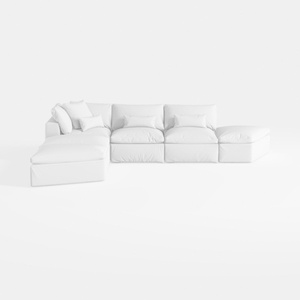

Minimalist White Fabric L Shaped Sectional Sofa 3D Model

Modern Marble Top Fluted White Solid Wood Round Coffee Table 3D Model
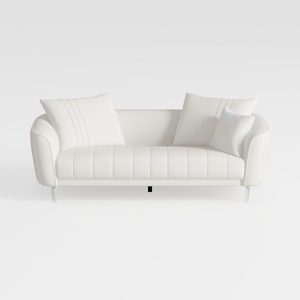
Minimalist White Leather Tufted Sofa With Throw Pillows 3D Model
Homestyler offers an easy-to-use online design tool with stunning 3D renderings, a vast collection of interior projects, and helpful DIY video tutorials. It’s perfect for anyone looking to create and visualize beautiful home designs effortlessly.
Projete agora para LIVRE
































