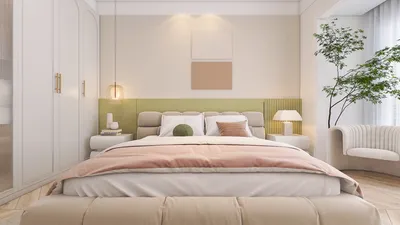


Transforming a bedroom into a versatile workspace, reading area, or recovery zone can be easily achieved with an overbed table—eliminating the need for permanent furniture alterations. My experience in designing and installing various iterations in compact living spaces and healthcare settings emphasizes ergonomic accessibility, stability, and effortless movement. The primary aim is clear: creating a smooth, height-adjustable surface that seamlessly glides over the bed, offering robust support for laptops and books while maintaining an aesthetic appeal suitable for everyday bedroom use. Incorporating tools like Homestyler can help in visualizing these designs effectively.
Research continually underscores the critical importance of ergonomics in enhancing productivity and comfort. According to studies from Steelcase, inadequate workstation ergonomics lead to musculoskeletal issues and diminished task performance. Further research highlights that maintaining neutral wrist angles and optimal screen heights plays pivotal roles in overall comfort and endurance. Additionally, WELL v2 guidelines advocate for adjustable furniture to meet diverse user needs and postures throughout the day. My custom designs for overbed tables include adjustable heights ranging from 28 to 32 inches to accommodate seated positions, along with enough clearance for pillows. For comprehensive insights into workplace performance and ergonomic innovations, I often reference Steelcase's extensive research library.
Lighting is as crucial as the table itself. The Illuminating Engineering Society (IES) recommends task lighting levels of 300 to 500 lux for activities like reading and working on computers, suggesting warm to neutral color temperatures between approximately 3000K and 4000K for bedrooms to effectively combine alertness and relaxation. My designs for tabletop surfaces accommodate clamp lamps and glare-reducing shades, steering clear of mirrored finishes that could reflect harsh light. By ensuring these principles, comfort is maintained, whether you're involved in annotating a book or managing late-night business calls.
**Design Objectives: Stability, Adjustability, and Focused Comfort**
Before any sketching begins, it’s essential to outline clear intentions: your overbed table should exhibit stability under lateral pressures, offer effortless height adjustments, and slide over the bed without painful encounters with shins or snagged blankets. I aim for a base footprint wide enough to prevent tipping—around 20 to 24 inches wide—equipped with low-profile casters and a crossbar to enhance torsional stability. The surface area should ideally measure between 16 and 20 inches in depth to accommodate a laptop and mouse, while being 28 to 36 inches wide to ensure functionality without overwhelming compact spaces.
**Durable Materials and Finishes**
For the framework, utilizing powder-coated steel tubing or high-grade aluminum profiles yields a clean visual appeal paired with a superior strength-to-weight ratio. If wood is your preference, laminated birch plywood at a thickness of 18 to 21mm, reinforced with concealed steel brackets, is recommended to minimize flex. I generally apply matte polyurethane or wax-oil finishes to the surfaces to diminish glare and curb fingerprints. Edge banding or rounded bullnose edges are also critical to protecting forearms from injury and preventing fabric snags.
**Essential Ergonomic Dimensions**
- **Height range:** The ideal working height when seated in bed should be between 28 to 32 inches; for occasional standing use beside the bed, an extension to 40-42 inches with a locking mechanism is advisable.
- **Knee and blanket clearance:** There should be a minimum of 10 to 12 inches clearance between the underside of the table and the mattress to avoid interference; ensure all hardware is flush.
- **Reach zone:** Frequently accessed items should lie within a comfortable 12 to 18 inches reach when seated to maintain neutral shoulder and wrist positions.
- **Screen elevation:** If the use of laptops is anticipated, incorporate a 2 to 4 inch riser to align the top of the screen with eye level, and pair this with an external keyboard to minimize wrist strain.
**Planning the Layout and Integrating with the Bed**
Before commencing construction, accurately measure your bed’s width and frame specifications. The table's U-shaped base should either glide beneath the bed frame or straddle it based on your bed type. I leverage modeling tools to anticipate clearances and turning radii to avoid caster collision with legs or storage items. Utilizing a room layout tool can enable visualization of differences—for example, a narrow base for platform beds compared to a wider base suitable for box springs.
**Essential Hardware: Casters, Locks, and Adjustment Mechanisms**
- **Casters:** Opt for 2-3 inch soft rubber casters to protect flooring and navigate over rugs easily. Installing two locking casters on the user side ensures the table remains stable during usage.
- **Height adjustment:** Choosing options like a gas-spring column from a monitor arm supplier or a straightforward hand-crank can provide reliable adjustment capabilities. If discrete steps are preferred, consider a telescopic tube with spring pins.
- **Fasteners:** Employ machine screws with locknuts when feasible; use wood screws in pre-drilled pilot holes to avert wood splitting.
**Assembly Steps: From Design to Construction**
1. Draft the overall footprint and height specifications: Confirm dimensions including bed width, mattress thickness, and intended working height. Outline the base U-frame ensuring adequate clearance.
2. Cut the structural components: For steel materials, have tubes cut to size and flat edges deburred; when working with wood, cut the plywood for the tabletop and structural components accordingly.
3. Assemble the base: Construct a rectangle or U-shape framework with cross-bracing situated near the floor to prevent distortion. Attach casters prior to installing the top for more manageable handling.
4. Install the adjustable column: Place it in the center or slightly offset towards the user for enhanced accessibility and confirm vertical alignment.
5. Securely attach the table top: Utilize threaded inserts in wooden surfaces for consistent strength. Test for deflection with a 10-15 lb load to ensure proper stiffness.
6. Conduct a final test and adjustments: Lock casters in place, experiment with height variations, check for clearances at the bed, and ensure your wrists and forearms have a comfortable rest at the edges.
**Managing Lighting and Glare**
Pair the overbed table with a dimmable bedside lamp emitting around 300 to 500 lux at the work surface. Select matte finishes and consider adding a small articulating task light with a diffusing shade to avoid extreme brightness on glossy paper surfaces. Position light sources behind or above your line of sight to prevent reflections on laptop displays.
**Understanding Color Psychology and Material Effect**
Color has a significant impact on mood and perception. Soft grey and warm beige neutrals can eliminate visual clutter, promoting relaxation; a muted blue tabletop can enhance calm concentration without coldness. While vibrant colors may seem energetic, they can become visually taxing in a restful bedroom environment. I often pair light natural wood grains with satin black hardware to achieve a balance of warmth and clarity.
**Enhancing Acoustic Comfort and Surface Performance**
Bedrooms, often characterized by large soft furnishings and hard walls, can have semi-reverberant qualities. A solid wooden top may absorb sound effectively, while improperly supported metal frames can create ringing noises. To mitigate this, add thin rubber grommets at metal joints and consider placing a felt mat on the surface to muffle keyboard noises and enhance perceived quietness.
**Design Considerations for Safety, Load, and Durability**
It's crucial to design for real-world load capacities—most typical usage ranges between 10 to 20 lbs (such as a laptop, books, or drinks). Ensure the table is stable when the user leans forward and incorporate rounded corners to avoid injury from protruding hardware. For recovery or limited mobility purposes, prioritize smooth-rolling casters, convenient handholds, and a reliable braking system.
**Maintenance Tips and Minor Upgrades**
For upkeep, simply wipe surfaces using mild soap; avoid harsh chemicals that may degrade finishes. Tighten fasteners every few months. Additional enhancements like cable clips for charger routing, a soft-edge mouse pad, or a clamp-on tablet holder can improve usability, especially for those who read or sketch frequently. If sharing the table, marking preferred heights with subtle tape or engraved indicators can also help.
**Budget Considerations and Time Frame**
Material prices can fluctuate by region, yet a robust DIY construction featuring a plywood top, steel legs, and quality casters typically ranges from $120 to $250, depending on finish and adjustability. Allocate a weekend for the project: one afternoon dedicated to cutting and assembly, followed by an additional half day for sanding, finishing, and fine-tuning the details.
**Frequently Asked Questions**
For typical seated use in bed, a height of 28 to 32 inches is generally suitable for adult users. If standing beside the bed is a consideration, extending the height range to 40 to 42 inches with an appropriate locking mechanism is advisable.
Aim for a table surface illumination of 300–500 lux, utilizing warm to neutral color temperatures (around 3000–4000K) to harmonize comfort with alertness within a bedroom setting.
Soft rubber casters measuring 2 to 3 inches in diameter provide optimal rolling ease and minimize floor damage. It's essential to include at least two locking casters to maintain stability during use.
Absolutely. Either a telescopic tube equipped with spring pins or a threaded hand-crank system will offer dependable height adjustments, allowing for both step and continuous variations without gas components.
Matte polyurethane or wax-oil finishes on wooden surfaces effectively reduce glare and disguise fingerprints. High-gloss coatings should be avoided, particularly for tasks necessitating screen use.
A base width of 20 to 24 inches, combined with a low center of gravity and a crossbar for increased stiffness, ensures the table maintains stability under lateral loads.
Indeed. Soft neutrals and subdued blues promote a sense of calm focus. Highly saturated, contrasting colors may create a stimulating atmosphere that disrupts relaxing routines when winding down.
Design for a weight distribution of 10 to 20 lbs. Test your planned configuration and ensure both the base and column can withstand torsion and tilt when pressure is applied from leaning forward.
Utilize a 2 to 4 inch riser to elevate the screen closer to eye level and incorporate an external keyboard. Ensure forearms are level with the floor and wrists maintain a neutral posture on a rounded edge.
Select soft rubber casters while regularly checking for debris. If necessary, add thin felt pads beneath caster mounts or consider a protective runner rug to safeguard delicate flooring.
Homestyler is your go-to online platform for home design! With its user-friendly design tool, stunning 3D renderings, and a wealth of inspiring design projects and DIY video tutorials, you can effortlessly turn your home vision into reality. Dive in and start creating today!
Projete agora para LIVRE
































