

Direct Answer
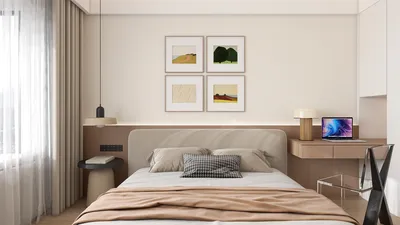
For most compact dining areas, a dining bench tends to be the most space-efficient choice, while dining chairs provide greater flexibility, and a dining sofa offers superior comfort. Selecting the right seating depends largely on layout restrictions, wall positioning, and how frequently the space doubles as a social gathering spot.
In smaller apartments, blending two types of seating usually yields better results than relying on just one style.
Quick Takeaways
Introduction
When clients ask whether a dining sofa, dining bench, or chairs are optimal for small spaces, my response typically goes beyond simply choosing the smallest piece.
Having worked on numerous small apartments in cities like Los Angeles and New York, I've found that the real challenge isn't the size of the furniture but rather flow, wall placement, and how the dining table is used daily.
While a sofa can feel inviting, it may hinder movement. Chairs appear less bulky but can clutter visually. Benches save space yet might compromise comfort during longer meals.
Before deciding, I often draft the room’s layout. Even basic planning exercises—like using a simple dining room layout example—can highlight which seating type fits the space best.
This article breaks down how dining sofas, benches, and chairs perform in compact dining rooms, and identifies which option often prevails depending on the room configuration.
save pin
Overview of Small-Space Dining Seating Options
Key Insight: Every seating style addresses a specific space challenge, so the best option depends on whether the limitation is width, flow, or seating capacity.
Typically, dining seating in small apartments falls into three categories: sofas, benches, and chairs.
Many design guides overlook that the main constraint in small interiors isn’t table dimensions but clearance space.
According to standards cited by the National Kitchen & Bath Association, optimal dining circulation requires about 36 inches of space behind seating. Many apartments simply lack this room.
Hence, optimizing seating to save space matters more than the table size itself.
Dining Sofas: Comfort and Style Benefits
Key Insight: Dining sofas work best when positioned against a wall or window, transforming the dining area into a lounge-like zone.
From a design angle, dining sofas provide something chairs can’t — a unified horizontal element that visually streamlines a small room.
Advantages of dining sofas include:
However, they also introduce some hidden limitations:
I generally suggest dining sofas only when the table is placed against a wall or window bench, as sofas become awkward if the table is centered in the room.
Dining Benches: Space-Saving Advantages
Key Insight: Dining benches often offer the most efficient seating for compact spaces because they can slide entirely under the table.
In cramped apartments, being able to push a bench fully beneath the table frees up nearly two feet of walkway.
That’s why benches are popular in restaurant booths and small kitchens.
Typical benefits are:
save pin
However, benches come with trade-offs.
When designing narrow dining areas—especially those adjacent to kitchens—I usually combine benches with chairs on the opposite side. Using planning tools like compact kitchen dining layout visual guides can demonstrate how much space this arrangement saves.
Traditional Dining Chairs: Flexibility and Mobility
Key Insight: Dining chairs remain the most versatile option since each seat moves independently.
Chairs often get underestimated in small spaces because benches are assumed to save more room. Yet, chairs can feel visually lighter and more functional.
Benefits of chairs include:
Their main drawback is their footprint.
Since chairs’ backs prevent them from sliding fully under a table, they constantly occupy circulation area.
Despite this, for small round tables, chairs usually outperform benches or sofas in practicality.
save pin
Space Efficiency Comparison in Small Apartments
Key Insight: The most effective use of space often comes from mixing seating types rather than relying on one.
Here’s a typical comparison of the three options within compact homes:
Footprint comparison around a 48-inch dining table reveals:
In my projects, the most successful arrangements often look like this:
This configuration maximizes seating capacity while maintaining good circulation.
Answer Box
For small dining spaces, pairing a bench or dining sofa against a wall with movable chairs is usually the best balance of comfort, seating, and flow.
Which Seating Works Best Across Different Layouts
Key Insight: The dining room layout is more determinative of the best seating than the furniture type alone.
Here’s how I approach choices during design projects.
Narrow dining nook setups
Open concept living and dining spaces
Compact square dining rooms
When rooms are tricky, I often test furniture placement with digital models. Interactive small apartment floor plan simulations can highlight flow problems before purchasing.
Final Summary
FAQ
Is a dining sofa suitable for small spaces?
Yes, especially when placed against a wall. A dining sofa can save visual clutter and increase comfort but must not obstruct pathways.
Which is better for small spaces: dining sofa or dining bench?
Dining benches typically save more space by tucking under the table, whereas dining sofas offer greater comfort but require deeper floor space.
Are benches practical for dining tables?
Definitely, particularly in narrow rooms. Benches seat several people and slide under the table when unused.
Do benches really save space?
Yes, when positioned along a wall, benches keep walkways clear.
Are chairs better than benches for dining?
Chairs provide improved ergonomics and easier access, making them more comfortable for daily meals.
What is the best seating choice for small dining rooms?
Typically, a setup combining a bench or sofa on one side and chairs on the other works best for small dining rooms.
Can a sofa replace dining chairs?
Yes, especially in banquette layouts where the dining table rests against a wall.
How much clearance is needed behind dining seats?
Ideally 36 inches, although smaller apartments often function with as little as 24 inches.
References
When designing small dining areas, leveraging tools like Homestyler can be invaluable. Homestyler’s intuitive interface helps visualize furniture placement and optimize seating arrangements, ensuring both comfort and circulation are maximized in limited spaces.


Homestyler offers an easy-to-use online design tool with stunning 3D renderings, a vast collection of interior projects, and helpful DIY video tutorials. It’s perfect for turning your home design ideas into reality quickly and effortlessly.
Projete agora para LIVRE
































