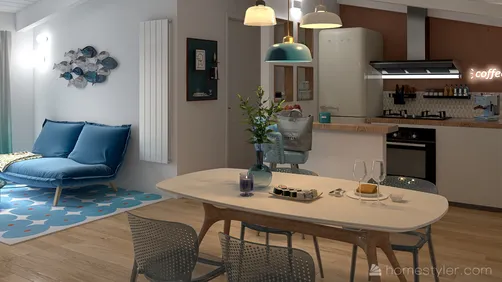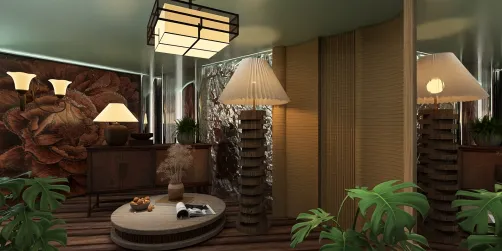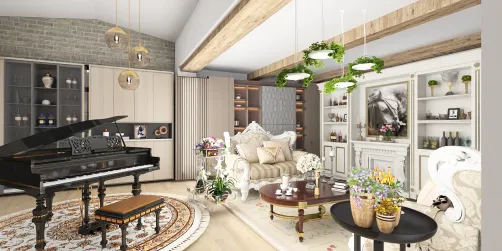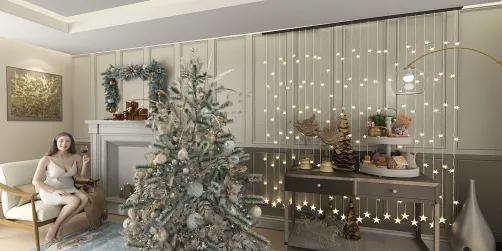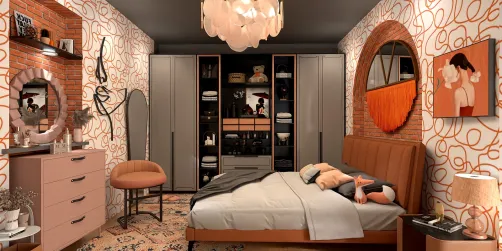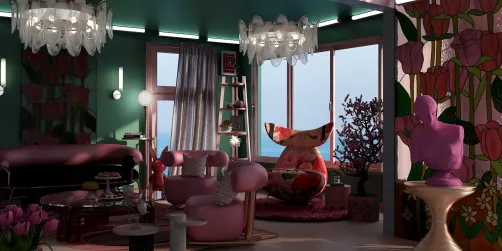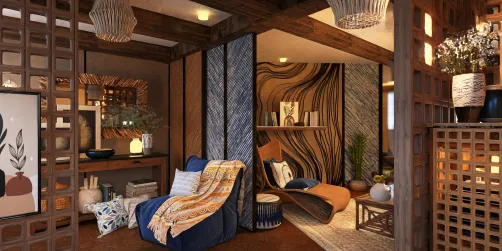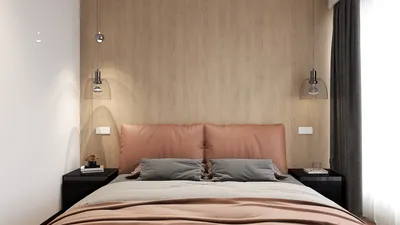
Crafting a DIY design plan is a fantastic method to elevate your living space while showcasing your individual style. Whether your goal is to remodel a room or enhance a compact area, establishing a well-defined plan can truly transform the outcome. In this article, we will examine the crucial steps involved in developing effective blueprints for your DIY ventures, especially using tools like Homestyler to facilitate the process.
Grasping Your Space
Before you jump into the creative process, it’s essential to comprehend your area thoroughly. Take precise measurements of your room, paying attention to architectural elements such as windows, doors, and built-in fixtures. This understanding will enable you to create a blueprint that enhances functionality while also appealing visually.
Selecting the Appropriate Tools
To design a DIY blueprint, you will require some fundamental tools:
Employing design software like Homestyler can yield a more refined appearance and allow for more manageable modifications, whereas traditional graph paper is ideal for those who prefer a tactile approach.
Integrating Multi-Functional Furniture
When working with limited spaces, think about incorporating multi-purpose furniture, such as:
These versatile items can aid in optimizing your area without compromising on aesthetic appeal.
Leveraging Smart Storage Options
Efficient storage is fundamental in any home design project. Contemplate options like built-in shelving, under-bed storage solutions, and utilizing vertical surfaces. Such strategies can assist in keeping your environment organized and free from clutter.
Finalizing Your Design Plan
Once you’ve gathered all the necessary elements, finalize your design plan by verifying that all measurements are precise and that the layout flows smoothly. Reflect on how each item will fit together and operate within the space.
Common Questions
Q: What is the most effective way to initiate a DIY blueprint? A: Start by accurately measuring your space and sketching the basic layout on graph paper or utilizing design software like Homestyler.
Q: What are strategies for including multi-functional furniture in my design? A: Seek out pieces that offer multiple functionalities, such as a sofa bed or a storage ottoman, to optimize the usability of your space.