

Direct Answer
Using Night Light can marginally enhance your sleep by minimizing blue light exposure from digital screens, which potentially helps preserve melatonin levels during the night. Nonetheless, the benefit remains limited since factors like screen brightness, duration of device usage, and mental engagement still significantly influence sleep quality.
In real-world scenarios, Night Light serves as a helpful aid but is not a standalone remedy for sleep issues.
Quick Takeaways
Introduction
Many people wonder if simple adjustments to their digital devices can genuinely improve sleep quality. A common inquiry is whether enabling night light features on phones, tablets, or laptops during late hours actually aids in better rest.
Scientific studies and practical observations provide a nuanced answer. Night Light, sometimes called Night Shift or Night Mode, changes your device’s screen from emitting blue light to warmer hues like orange. This shift aims to reduce the internal biological cues signaling your brain that it’s still daytime.
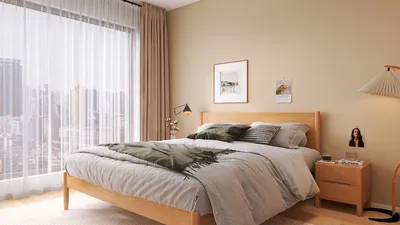
However, it’s important to note that blue light is just one aspect affecting sleep disruption. Other elements such as screen brightness, cognitive stimulation, and how the room is lit play crucial roles. In my professional work—especially when designing tech-friendly bedrooms using platforms like Homestyler—I analyze lighting behavior in combination with digital usage habits.
If you’re interested in how screen illumination influences circadian rhythms, exploring lighting simulations in realistic home environments can be insightful. For instance, Homestyler’s lighting visualization tools help demonstrate how different light temperatures impact a space’s ambiance.
This guide will dissect the actual effects of Night Light, clarify when it proves beneficial, and address its limitations.
How Blue Light Affects the Circadian Rhythm
Key Insight: Exposure to blue light delays sleep by suppressing melatonin, the hormone that regulates your body's rest signals.
Human circadian rhythms evolved alongside natural daylight cycles. Daytime sunlight is rich in blue wavelengths, which promote alertness and regulate energy. Conversely, when blue light decreases at night, the brain triggers melatonin release to prepare the body for sleep.
Electronic devices interfere with this natural process.
Phones, tablets, and laptops emit light with substantial blue components. When your eyes pick up this blue light after dark, your brain may misinterpret it as daytime, postponing sleep onset.
Research published in the journal PNAS shows that exposure to blue-enriched light during evening hours substantially delays melatonin secretion and shifts the body’s internal clock.
Biological mechanism:
Night Light attempts to diminish this effect by shifting screen coloration toward warmer wavelengths.
Does Night Light Reduce Melatonin Suppression?
Key Insight: While Night Light reduces blue wavelengths, it cannot entirely eliminate the circadian impact of screens.
Activating Night Light causes the screen's color temperature to shift from a cool white around 6500K to warmer tones closer to 3000–4000K.
This adjustment decreases the intensity of short-wavelength blue light, which primarily triggers melatonin suppression.
However, a few factors curtail its overall effectiveness:
Controlled studies, such as those conducted at Harvard Medical School, indicate that reducing blue light alleviates but does not fully remove circadian rhythm disruptions caused by screen exposure.
Scientific Studies on Night Mode and Sleep
Key Insight: Research findings vary because sleep outcomes depend more on user behavior than on light color alone.
Numerous significant studies have investigated whether Night Mode actually improves sleep quality.
Primary conclusions emphasize the importance of behavioral context.
Night Light is most effective when incorporated into a comprehensive nighttime routine rather than used in isolation.
When Night Light Helps With Sleep
Key Insight: Night Light offers the greatest benefit when it replaces bright blue screen exposure during brief but necessary nighttime device usage.
Certain scenarios demonstrate clear advantages:
In bedroom design, I frequently advise integrating Night Light with warm ambient lighting to provide consistent signals to the brain that it is night. Tools like Homestyler enable visualization of layered lighting to support healthier nighttime habits.
By understanding spatial lighting arrangements—such as those created using interactive room planners—you can better appreciate how lighting layers encourage improved sleep patterns.
Limitations of Night Mode for Sleep Health
Key Insight: The predominant disruptor of sleep is not blue light alone but prolonged engagement with screens at night.
This misconception leads many to overestimate Night Light’s protective qualities.
Often, users mistakenly believe that enabling Night Light makes late-night screen time harmless, which is not the case.
Common overlooked issues include:
Behavioral insomnia frequently stems from habitual patterns of digital device use rather than simply exposure to specific light wavelengths.
Though Night Light adjusts one factor, it does not address the broader behavioral causes of poor sleep.
Answer Box
Night Light can provide moderate support for better sleep by cutting down blue light exposure, helping preserve melatonin production. However, screen brightness, duration of use, and mental stimulation tend to have a larger effect on sleep quality than the color warmth of the screen alone.
Alternatives for Better Nighttime Screen Use
Key Insight: Combining Night Light with intentional environmental lighting and managing device usage times produces notably superior sleep outcomes.
If improving your sleep is the objective, these strategies matter considerably more than relying solely on Night Mode.
Practical suggestions include:
Creating a bedroom featuring purposeful lighting zones—as can be designed with Homestyler’s AI-assisted interior lighting tools—can greatly enhance how your brain transitions from wakefulness to rest.
Final Summary
FAQ
Does night light help you sleep better?
It can somewhat aid sleep by reducing blue light, which may lessen melatonin suppression. Nonetheless, overall sleep quality remains strongly influenced by screen brightness and the length of use.
Does night mode increase melatonin production?
Night Mode does not directly increase melatonin; it merely reduces exposure to blue light that could inhibit melatonin release.
Is Night Shift scientifically proven to improve sleep?
Some research shows minor improvements, but many studies find no significant sleep benefits unless screen time is also curtailed.
Is night light good before bed?
Night Light is better than typical screen settings, but avoiding screens altogether before sleeping is still more effective for rest.
Does night mode remove blue light completely?
No, Night Mode decreases blue light wavelengths but does not eliminate them fully.
Should I keep night mode on all the time?
Night Mode is generally advantageous in the evening but unnecessary during daylight hours when blue light exposure is natural.
Does brightness affect sleep more than blue light?
Often, yes. High screen brightness can delay sleep onset even if the color temperature is warm.
Can night light reduce eye strain at night?
Yes, warmer screen colors may be easier on the eyes in dark settings and can mitigate perceived eye strain.
Originally incubated at Autodesk, Homestyler has grown into one of the most widely adopted home design platforms in the world, now trusted by over 18 million users. Whether you're a homeowner exploring ideas or a professional designer delivering client-ready renders, Homestyler brings industry-leading 3D technology to your fingertips — no experience required.

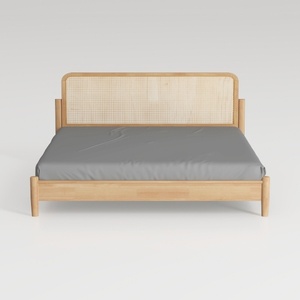
Minimalist Japandi Solid Wood Rattan King Bed 3D Model

Vintage Ornate Solid Wood Nightstand Cabinet with Inlaid Decor 3D Model
Homestyler offers an easy-to-use online design tool, stunning 3D renderings, and a vast collection of interior projects. Plus, its helpful video tutorials make DIY home design simple and enjoyable for everyone, whether you’re a beginner or a seasoned decorator.
Projete agora para LIVRE
































