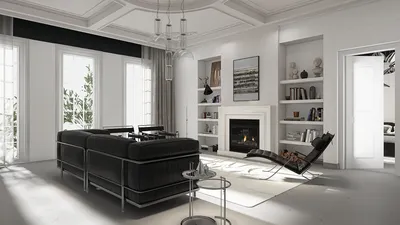


During one of my early projects, I attempted to conceal a king-sized bed with a mountain of wardrobes because my client desired a ‘cozy cave’ feel. They managed to sleep well through the night but felt suffocated by morning. This experience highlighted the importance of strategic furniture placement over sheer effort, and a quick interactive room map can help you avoid these beginner's blunders.
1. Establish the Bed as a Focal Point and Build Surroundings
I typically begin by positioning the bed as the central visual piece—often against the longest uninterrupted wall or centered beneath a window if the view is appealing. This setup clarifies movement throughout the room and naturally delineates areas for bedside tables and reading corners. However, you might need to forsake a walking passage or block a closet door, so it’s wise to test a few configurations before finalizing your choice.
save pin
2. Ensure a Clear Movement Path
Often, paths are overlooked until someone bumps into furniture at 2 a.m. Aim to maintain 24 to 30 inches of space on each side of the bed for unobstructed movement, and ensure a clear sightline from the door to the bed. This small guideline promotes a calmer atmosphere in compact rooms; the only drawback might be the limitation in decorative items, encouraging the selection of multifunctional furniture.
save pin
3. Float the Bed in Smaller Spaces
If your walls are laden with doors or windows, consider floating the bed slightly away from the wall, using a low bench or shelf behind it for added storage and depth. This strategy visually expands the space and provides a lightweight alternative for a headboard; however, it occupies floor area, so opt for slimline furniture and think about using a scaled-down bedroom blueprint to gauge proportions in advance.
save pin
4. Incorporate Vertical Storage and Layered Lighting
Utilizing vertical storage—such as tall dressers and wall-mounted shelves—liberates floor space and draws the eye upward, giving an illusion of higher ceilings. Pairing ambient, task, and accent lighting creates functional and inviting corners. While this may not be the most economical option, well-selected vertical elements can endure through various room arrangements.
save pin
5. Define Areas with Rugs and Versatile Furniture
Rugs can delineate spaces for sleeping, dressing, and lounging without the need for walls; a strategically placed rug under the lower two-thirds of your bed can effectively stabilize the layout. Invest in versatile furniture—like storage ottomans or narrow dressers that can function as desks—and utilize tools like Homestyler for experimenting with room layouts quickly. The challenge lies in balancing scale and patterns to maintain cohesion, but the benefit is tremendous flexibility for future adjustments.
save pin
FAQ
Q1: What is the ideal bed positioning in a compact bedroom?
Position the bed against the longest uninterrupted wall or consider floating it if door/window placements obstruct wall areas; ensure at least 24–30 inches of clearance for easy movement.
Q2: How can I create a sense of spaciousness in a small bedroom?
Incorporating vertical storage, using light color schemes, placing mirrors strategically, and allowing furniture legs to be visible can enhance the feeling of openness. Additionally, utilizing rugs and layered lighting can help define spaces without overcrowding.
Q3: Are multifunctional furniture items a good investment?
Absolutely—items such as storage ottomans or beds with drawers maximize functionality in compact areas, although they may have a higher upfront cost and require mindful sizing.
Q4: How should I select the correct rug size for my bed?
Ideally, the rug should extend 18–24 inches beyond the bed on each side and at least up to the bedside tables; in tighter rooms, an area rug covering two-thirds of the bed is effective.
Q5: Can lighting impact the overall feel of my furniture arrangement?
Definitely—layered lighting (ambient, task, accent) fosters depth and assigns purpose to each area, thus improving perceived space and overall comfort.
Q6: What clearance should I maintain around furniture?
Aim for 24 to 30 inches of walking space when feasible, and 18–24 inches in tighter areas—like between a bed and a bench—providing a balance between comfort and space efficiency.
Q7: Does rearranging furniture affect sleep quality?
Indeed—cluttered or cramped arrangements can induce stress; crafting a serene and practical sleep environment with minimal visual disruption promotes better rest. According to the National Sleep Foundation, a nurturing bedroom atmosphere is essential for quality sleep (https://www.sleepfoundation.org/).
Q8: How can I experiment with layouts before purchasing furniture?
You can sketch to scale on paper or leverage digital planning tools to quickly trial various layouts; test out several arrangements to determine the best circulation and balance before making any purchases.
save pin
Homestyler is your go-to online home design platform, perfect for anyone looking to transform their space. Enjoy its user-friendly design tool, stunning 3D renderings, diverse design projects, and helpful DIY video tutorials. Bring your dream home to life effortlessly!
Projete agora para LIVRE
































