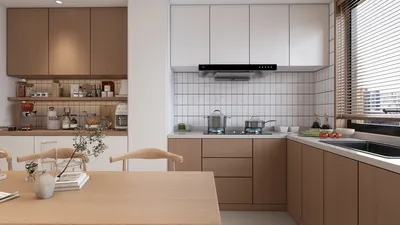


During a visit to a Chicago rowhouse, I discovered that my client had already painted an accent wall in a vibrant neon orange. We shared a laugh, I made the necessary repairs, and it was here that I realized bold color choices can be effective when paired with an appropriate layout. For a closer look at how colors interact with furniture and the overall flow in real spaces, check out my Homestyler space planning gallery. Working in smaller Chicago spaces often necessitates tough decisions, which in turn ignites my most creative ideas.
Explore Rich Jewel Tones
I adore deep blues and emerald greens for living rooms in Chicago; they beautifully contrast the often gray skies while creating an inviting, cocoon-like atmosphere in the evening. The benefit is immediate drama and warmth, but the drawback is a reduced visual volume, which is why I often opt for lighter shades on ceilings and trim to strike a balance. A practical tip: try testing a bold accent wall before fully committing to the entire room.
Warm Neutrals for North-Facing Rooms
Apartments facing north in Chicago can often feel a chill, so I prefer warm off-whites or light greiges that maximize the little natural light available. These colors brighten spaces without appearing sterile, although they can show wear and tear more noticeably. Satin finishes are advantageous for easy cleaning. In many renovation projects, I utilize touch-up kits instead of repainting the entire area, which helps save costs.
save pin
Eye-Catching Trim Against Serene Walls
Applying a strong color to the trim while keeping walls neutral brings architectural detail and sophistication, particularly in older Chicago homes with beautiful moldings. This strategy is an economical way to achieve a designer look, though it requires precise taping and a careful hand for those attempting a DIY approach. When I design kitchens, I make sure to coordinate trim colors with cabinetry and workflow, often inspiring clients through my kitchen layout ideas featured in Homestyler.
save pin
Color Blocking for Enhanced Small Spaces
Creating vertical color blocks or painting half-walls in two shades can visually elevate ceilings or delineate areas in studio apartments. This playful approach can curate a compact home feel, but careful alignment and proportion are crucial — I usually recommend mock-ups using painter's tape beforehand. Additionally, trying out a test section with affordable sample pots can help avoid expensive mistakes later on.
save pin
Modernized Historic Chicago Color Palette
For vintage greystone or Victorian rowhouses, selecting a color palette that pays homage to traditional shades, like muted olives and warm taupes, maintains the home’s character while introducing a fresh feel. This choice is beneficial for resale value and honors the home’s original details, although strict regulations in landmark districts can limit alterations. For areas exposed to moisture, I always advise using moisture-resistant finishes and practical strategies from my bathroom makeover tips for optimal paint and hardware selections: bathroom makeover tips.
save pin
Tip 1:
Keep sample cans and paint swatches on the wall for several days to evaluate them under various lighting conditions. When working with a budget, focus on the most visible areas first (like the entryway or behind the sofa) and consider refreshing trim at a later date. If you're uncertain, a single accent wall or a painted ceiling can create significant visual impact with minimal investment.
save pin
Frequently Asked Questions
Q: How do I select paint for a small Chicago apartment? I suggest considering your light source first: north-facing rooms do better with warm neutrals, while south-facing areas can handle cooler colors. Be sure to test swatches on the wall at different times to observe any shifts in hue.
Q: Is painting a budget-friendly method to refresh a home? Indeed — painting provides one of the highest impact for the lowest cost upgrades available. Even hiring professionals is relatively affordable compared to larger projects like kitchen or bathroom renovations.
Q: What paint finish should I use for high-traffic areas in Chicago homes? I typically recommend eggshell or satin finishes for walls due to their balance of sheen and cleanability; semi-gloss is ideal for trim and doors. Higher-sheen paints conceal marks and are easy to clean, but they can also emphasize surface imperfections.
Q: Is it better to paint myself or hire a professional? If you are comfortable with tasks such as taping, cutting in, and sanding, you can manage smaller rooms and accent walls as a DIY project to save money. For intricate trim, high ceilings, or historic features, hiring a professional is advisable to prevent costly errors.
Q: Are there specific color trends in Chicago I should be aware of? Currently, I observe a blend of deep jewel tones in living spaces and soft earthy neutrals in kitchens — many homeowners are going for a modern twist on historic aesthetics. Although these trends evolve, classic palettes usually retain their resale appeal.
Q: What should I know about lead paint in older Chicago homes? If your home was built prior to 1978, it's important to assume that lead-based paint could be present and to refer to the EPA's guidance on lead-safe work practices (EPA: https://www.epa.gov/lead). Disturbing old paint without taking proper precautions can create serious health risks, so consider testing or hiring certified contractors for safe handling.
Q: How much paint do I need for an average room? A general rule is that one gallon covers around 350–400 square feet, but textured walls or transitioning from dark to light colors will require more. Accurately measuring walls and budgeting an additional 10-15% for touch-ups and absorption is wise.
Q: Any last-minute tips for Chicago homeowners? Focus on obtaining samples, start with a single focal wall, and select paint durability based on room function — kitchens and bathrooms call for more resilient finishes. A well-chosen color can make even the smallest Chicago homes feel purposeful and welcoming.
save pin
Homestyler is your go-to online home design platform. With its user-friendly design tool, stunning 3D renderings, and a wealth of DIY video tutorials, you can effortlessly transform your space and explore endless design possibilities. Start creating your dream home today!
Projete agora para LIVRE
































