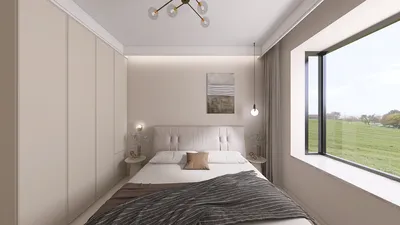


Once, I mistakenly installed a flush light upside down in a client's dining room, resulting in a glass shade that looked like a saucer and left everyone joking about UFOs. This embarrassing blunder taught me that flush lighting can be incredibly effective: they enhance visual space, minimize glare, and can radically transform the ambiance of a room. Particularly in small dining areas, these low-profile fixtures allow the table, decor, and guests to be the main focus.
1. Sleek LED Discs for a Clean Aesthetic
For rooms with limited ceiling height, I appreciate sleek LED disc fixtures. They offer uniform lighting across the dining table without the bulkiness of pendants, and their slim design ensures unobstructed sightlines. However, some lower-end models can come across as harsh or sterile, so I always opt for warm-color LEDs (2700K–3000K) and ensure they’re dimmable to create a welcoming atmosphere. A useful tip: use two smaller discs above a rectangular table rather than one large fixture to prevent dark areas.
save pin
2. Clustered Recessed Lights for a Sophisticated Look
When arranged in a close-knit cluster, recessed lights deliver a polished, high-end appearance without any hanging obstruction. They work wonderfully alongside accent lighting on cabinets or artworks to add depth. The challenge lies in proper spacing and beam angle; I always create a layout plan first using a room planner to visualize the light distribution and avoid any concentrated spots.
save pin
3. Semi-Flush Fixtures with a Sleek Touch
Semi-flush lighting strikes a balance between pendant and flush styles—providing a subtle drop without overwhelming a low ceiling. I often choose those with glass or fabric diffusers that soften the illumination. They add a decorative flair without dominating the room's character, but it's crucial to consider size: an overly ornate semi-flush on a petite table can look out of place.
save pin
4. Integrated Track/Linear Flush Options
In contemporary dining spaces, I sometimes opt for low-profile linear or track-style flush systems that seamlessly align with the table’s shape. These solutions provide targeted lighting for activities like serving and setting the table and can be adjusted based on changing needs. While these may require slightly more intricate installation and coordination with an electrician, the adaptability they offer is invaluable in multifunctional areas.
save pin
5. Stylish Flush Mounts with Diffused Shades
For those wanting character without the height of a pendant, decorative flush mounts featuring textured glass or layered shades are ideal. They serve as decor pieces while maintaining the ceiling's integrity. The downside is that very intricate glass can diminish light output, so it's wise to pair them with higher lumen LED modules or add wall lighting if the room seems dim.
save pin
Lighting Layout Advice
When designing a lighting scheme, I always map fixtures according to table dimensions and seating arrangements—this step avoids future surprises. For quick drafts and to experiment with spacing, I leverage a free floor planning tool that assists me in visualizing sightlines and light distribution before any installations begin.
save pin
Budget Considerations
Flush lighting can vary greatly in price, determined by factors such as drivers, dimming capabilities, and materials. I generally reserve about 10% to 15% of the dining room budget for lighting to ensure adequate control and dimming. When on a tight budget, I focus on investing in dimmable warm LEDs and a single strategically-placed fixture rather than multiple lower-quality options.
save pin
Materials & Upkeep
Cleaning metal and glass flush mounts is straightforward, whereas fabric diffusers will need occasional vacuuming. While integrated LED fixtures boast longevity, they often require replacing the entire unit when they fail; therefore, I recommend selecting trustworthy brands or opting for modular drivers for easier future maintenance. To quickly visualize various finishes, I sometimes export 3D renderings of the dining room using tools like Homestyler to compare styles before finalizing purchases.
save pin
Tip 1:
A quick and effective trick I cherish is to incorporate a table lamp or wall sconce for instant ambient lighting. This addition can balance the effect of an overhead flush mount that might feel too stark, providing layers effortlessly without the need for extensive rewiring.
save pin
FAQ
Q1: What is the optimal color temperature for flush lighting in a dining room?
A1: I advise using warm white lights ranging between 2700K and 3000K to maintain flattering hues for food and skin tones while ensuring a cozy dining experience.
Q2: Are flush mounts appropriate for low ceilings?
A2: Certainly—both flush and semi-flush fixtures are excellent choices for ceilings below 8 feet, preserving headroom and maintaining clear sightlines.
Q3: Are flush LED fixtures dimmable?
A3: Most modern LED flush mounts can be dimmed, but it's essential to check driver compatibility and utilize a suitable LED dimmer to prevent flickering.
Q4: How can I minimize glare from a flush light positioned over the table?
A4: Opt for fixtures with diffused shades or frosted lenses and consider positioning multiple fixtures or utilizing wider beam angles to distribute light evenly, avoiding concentrated hot spots.
Q5: What is the recommended wattage or lumen calculation for a dining space?
A5: Aim for approximately 300–600 lumens per square meter to ensure general illumination in a dining area, adjusting upwards if relying solely on overhead lighting.
Q6: Is it possible to incorporate flush lighting in a layered lighting strategy?
A6: Absolutely—fusing flush fixtures with wall sconces, dimmers, and accent lights creates a warm, versatile lighting design.
Q7: Where can I find reliable spacing and layout resources?
A7: The Illuminating Engineering Society (IES) provides authoritative guidelines on lighting design; their recommended practices deliver precise metrics for spacing and beam angles.
Q8: How can I visualize fixtures in my dining area before making a purchase?
A8: Utilizing a 3D floor planner allows you to place fixtures digitally, comparing light distribution and styles effectively—this approach helps avoid the UFO effect I learned the hard way.
save pin
Looking to transform your space? Homestyler is your go-to online home design platform! With an easy-to-use design tool, stunning 3D renderings, a wealth of design projects, and informative video tutorials, you’ll find everything you need to create your dream home effortlessly.
Projete agora para LIVRE
































