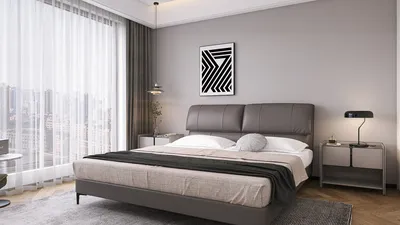


I nearly persuaded a client that walls painted halfway could give a room an "artfully unfinished" vibe—until their cat mistook the paint line for a new plaything. That little incident made me realize that half-painted walls serve a purpose beyond style: they can delineate spaces, provide protection, and make compact rooms appear larger, especially when I apply a few trusted tricks for small spaces using Homestyler.
Compact areas often inspire innovative solutions, and through over a decade of revitalizing kitchens and apartments, I have discovered which half-painted techniques are effective and which ones lead to future regrets. Below, I share five methods I’ve successfully utilized with clients, including honest insights on their advantages, quirks, and costs.
1. Horizontal Band to Lower or Raise the Ceiling
Paint the lower section in a darker shade to anchor a high room, or use a deep hue on the upper section to create a cozier atmosphere. For instance, I applied a rich navy blue on the top half of a loft to enhance its intimacy—clients loved the dramatic effect, but it's definitely not for the timid, as it requires precise edging to maintain a clean line.
save pin
2. Diagonal Split for Motion
Rather than a straight division, consider a diagonal paint application to inject energy and make corridors appear more dynamic. This playful approach can also conceal minor wall imperfections, though it does demand accurate taping; I learned this lesson the hard way when my initial diagonal application with subpar tape resulted in paint bleeding, prompting me to invest in better tape for this technique.
save pin
3. Kitchen Lower Half as Durable Backsplash
In petite galley kitchens, I favor painting the lower wall section with a washable, semi-gloss finish, transforming it into a low-maintenance backsplash. This method is cost-effective compared to traditional tile and is easy to update; for small layouts, I often pair this with clever storage solutions like floating shelves and slim-profile range hoods. This approach is particularly useful when exploring optimal kitchen designs using Homestyler.
save pin
4. Functional Chalk or Wet-Resistant Lower Half
In family-friendly homes, chalkboard paint for the lower half brings delightful joy: children can draw at an accessible height while the upper section remains clean. In bathrooms, I opt for moisture-resistant paint on the lower half to protect against splashes—though budget-friendly, anticipate touch-ups sooner in very humid environments.
save pin
5. Accent Half Backdrop for Shelving and Art
Employ a contrasting color on the lower half behind a floating shelf or console to draw attention to displayed items and disguise scuffs. I once staged a compact entryway this way, which made the space feel intentional rather than cramped; to visualize how these layered schemes impact overall layouts, consider experimenting with 3D designs through Homestyler.
save pin
Tips 1:
Quick pro tip: always prime the lower half if you're covering dark shades or raw plaster, and use a level along with a laser line for straight edges. From a budget perspective, half-painted walls can be DIY-friendly—prioritize quality tape and primer over expensive paint; that’s where durability truly lies.
save pin
FAQ
Q1: Are half painted walls beneficial for small apartments?
A: Definitely. They help define spaces and introduce visual interest without the need for structural changes. I utilize them to create distinctions between dining areas, workspaces, or sleeping zones in studio apartments.
Q2: What paint finish is recommended for the lower half?
A: Opt for satin or semi-gloss finishes in high-traffic or splash-prone areas for easier cleaning, while using a flat or eggshell finish on the upper half to maintain soft lighting and conceal surface flaws.
Q3: How can I achieve a perfectly straight dividing line?
A: Utilize a laser level paired with high-quality painter’s tape; press the tape down firmly and remove it at a 45° angle while the paint is still slightly tacky. I learned this valuable lesson during a client job and now I never skip the laser step.
Q4: Can half painted walls be combined with wallpaper or tile?
A: Absolutely—combine paint on one section with wallpaper or tile on the other for a contrasting texture. Just be mindful of the transitions; using thin wood trim or metal profiles can create a cohesive feel at the junction.
Q5: Are half painted walls easy to touch up later?
A: Generally, yes, since you’re focusing on smaller, defined areas. Keep a sample pot of the paint color handy for quick fixes; this can save time after furniture scuffs or bumps.
Q6: Is there a recommended primer or prep guide?
A: Quality primer is essential—choose a stain-blocking primer for new plaster or over dark shades. Reputable manufacturers like Benjamin Moore offer specific primers for optimal adhesion and stain resistance (refer to Benjamin Moore's technical resources).
Q7: How does the cost compare to fully painting a room?
A: While costs are lower due to reduced paint volume, don't skimp on quality tape and primer. Anticipate savings of approximately 20–40% on paint quantities, although labor for achieving clean lines may be similar.
Q8: Which rooms should I avoid half painting?
A: Extremely small, dark rooms may feel even more cramped with heavily colored upper or lower sections. If natural light is limited, opt for lighter colors and consider painting only a single short wall to maintain an open feel.
save pin
Discover your creative potential with Homestyler! This user-friendly online design platform offers an intuitive design tool, stunning 3D renderings, and a wealth of DIY video tutorials. Whether you're a novice or a seasoned designer, Homestyler makes transforming your home easy and inspiring.
Projete agora para LIVRE
































