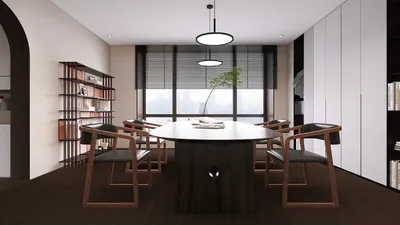


Effective Layout Strategies for Irregularly Shaped Rooms
Optimizing layouts for rooms with unconventional shapes involves defining clear functional areas, positioning essential furniture away from the walls, and leveraging symmetrical design to counterbalance asymmetry. Rather than squeezing furniture into corners, treating unique angles as deliberate design elements and organizing the space based on flow and zones elevates the room's aesthetic.
Key Takeaways
Overview
Rooms with atypical shapes are much more prevalent than most design sources suggest. Over the past decade, working with residences throughout California, I’ve encountered a variety of configurations—angled lounges, trapezoidal bedrooms, elongated extensions, and open areas with no parallel walls whatsoever.
A common error is attempting to fit a standard rectangular layout into a non-rectangular space, leading to awkwardly placed furniture, underutilized corners, and a cramped yet incomplete feel.
The upside is that such unconventional rooms can become standout features of a home when the layout strategy is thoughtfully selected. Tools like Homestyler facilitate interactive 3D floor plan visualization, making it easier to experiment with different arrangements before physically moving pieces.
This article explores multiple design tactics frequently applied to challenging floor plans, addressing issues from asymmetry to organizing expansive irregular living areas.
Instead of following a rigid formula, the aim is to pick a method fitting the specific room shape.
Why Do Irregular Rooms Need Unique Layout Approaches?
Key Insight: Standard furniture layout principles presume rectangularity, but offbeat spaces require a circulation-first mindset.
Most conventional advice prescribes arranging sofas facing the longest wall, centering tables, and maintaining symmetrical chair placement—strategies tailored to rectangles or squares.
However, in rooms with angled walls or uncommon corners, symmetry breaks down and circulation routes often pass through central zones, complicating furniture placement.
Typically, my design process begins by identifying three factors to guide the setup:
Once these considerations are understood, positioning furnishings becomes a more intuitive process.
The American Society of Interior Designers recommends maintaining at least 30–36 inches of clearance in walkways; ignoring this in odd-shaped rooms quickly causes a chaotic environment.
Floating vs Wall-Aligned Furniture Arrangements
Key Insight: Floating furniture arrangements tend to bring better balance in irregular rooms by detaching seating from uneven walls.
Many instinctively place furniture flush against walls in confusing floor plans, which paradoxically amplifies the room’s asymmetry.
Allowing primary pieces, such as sofas and seating groups, to float stabilizes the overall layout.
For instance, in a pentagonal living room, floating the sofa several feet away from the longest wall and anchoring with a sizeable rug created an intentional design rather than an accidental look.
Zoned Layouts for Spaces with Unusual Floor Plans
Key Insight: Segmenting large irregular spaces into distinct zones decreases visual disorder and gives purpose to the floor plan’s geometry.
This method is especially beneficial in open, oddly shaped living areas.
Instead of treating the room as one unified zone, multiple connected areas are defined visually and functionally.
Typical zones might include:
The important part is subtlety in zone definition.
Design professionals often apply three main tools:
Digital room planners like Homestyler can simulate these zones to better visualize their boundaries prior to moving furniture.
This zoning structure suits especially well for:
Balancing Asymmetrical Architecture Using Symmetry
Key Insight: Symmetrical furniture arrangements can visually balance an uneven room, making asymmetry less noticeable.
This design technique is often underused but highly effective.
Although the room’s shape is irregular, the furniture placement doesn’t have to be.
For example, arranging seating symmetrically tunes the space into harmony.
Our cognitive preference for symmetry means well-balanced setups help mitigate the perception of irregular architecture.
Top design publications often recommend symmetrical seating in difficult living rooms as a means to establish visual order despite skewed walls.
Summary: The Ideal Furniture Layout for Odd-Shaped Rooms
The most successful layouts for irregular rooms integrate floating furniture, clear functional zoning, and symmetrical groupings. Rather than forcing furniture against jagged walls, they organize the space around pathways and visual anchors.
Choosing the Best Layout Based on Room Geometry
Key Insight: No universal rule applies; layout should be tailored to each room’s unique shape.
Various irregular room configurations respond distinctly to diverse design strategies.
When unsure, experimenting with user-friendly digital planning tools like Homestyler can reveal innovative solutions unseen in traditional visual assessments.
Frequently Asked Questions
1. What layout works best for irregular living rooms?
Floating key furniture combined with defined seating zones provides balance without emphasizing uneven walls.
2. How can I furnish awkward or irregular spaces effectively?
Begin by mapping circulation flow and focal points, then arrange groupings around these rather than strictly following wall lines.
3. Is it necessary for furniture to always touch the walls in odd-shaped rooms?
Not necessarily. Floating furniture frequently produces a more harmonious balance.
4. What popular layout techniques suit odd-shaped rooms?
Common strategies include zoning, floating groupings, symmetrical arrangements, and utilizing awkward corners as functional features.
5. How can asymmetrical rooms be made to appear balanced?
Through symmetrical furniture settings, coordinated lighting, and area rugs to define space.
6. Do rugs help with organizing irregular floor plans?
Absolutely. Rugs effectively delineate activity zones and provide grounding for furniture clusters.
7. What is the designer’s approach to unconventional layouts?
Designers prioritize clear circulation, focal points, and distinct zones before finalizing furniture placement.
8. Are irregularly shaped rooms harder to design?
They do present unique challenges but become some of the most compelling interior spaces when planned correctly.
References

Minimalist White Fabric Modular Sectional Sofa 3D Model
Modern Minimalist White Fabric Metal Storage Cabinet Console Table 3D Model
Homestyler is an easy-to-use online home design platform offering powerful 3D rendering, a vast collection of interior projects, and helpful DIY video tutorials. It’s perfect for anyone looking to create and visualize beautiful home designs effortlessly.
Projete agora para LIVRE
































