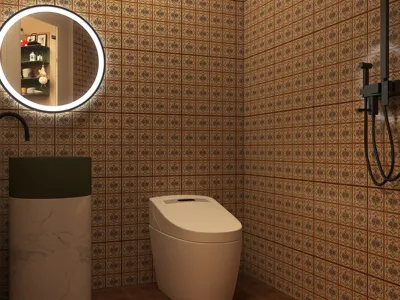


Effective Prevention of Yellow Stains on Bathroom Tiles
To effectively prevent yellow stains from reappearing on bathroom tiles, it is essential to manage moisture, minimize hard-water mineral deposits, apply protective sealants, and maintain a consistent cleaning routine. The main causes of recurring discoloration are mineral buildup, soap scum, and inadequate ventilation rather than mere dirt accumulation.
Long-term stain prevention relies more heavily on daily maintenance habits than on intensive cleaning measures.
Key Takeaways for Maintaining Tile Appearance
Introduction
With over ten years of experience in residential bathroom renovations, I've observed a common homeowner frustration: after successfully removing tough stains and restoring tile appearance, the yellow discoloration often resurfaces within a few months.
Typically, the root issue isn't ineffective cleaning but rather unchanged environmental factors. Hard water minerals, moisture trapped in the air, and soap residue gradually redeposit themselves on tile surfaces.
Understanding how to avoid yellow stains involves a holistic approach encompassing water hardness, ventilation quality, surface protection, and habitual cleaning. When assisting with bathroom redesigns or maintenance plans—often utilizing interactive tools like Homestyler to optimize fixture placement and airflow—we focus on how moisture is handled throughout the space.
In the following sections, I’ll highlight why yellow stains repeatedly appear and offer practical advice to keep tiles pristine for the long haul.
Why Yellow Stains Recur Despite Cleaning
Insight: Yellow stains typically come back because although cleaning removes surface buildup, it doesn't address the underlying staining causes.
Many homeowners mistake yellow stains for simple dirt, but these marks are usually formed by a combination of mineral deposits, soap films, body oils, and sometimes oxidized iron from hard water.
As these layers accumulate repeatedly, tiles—particularly porous ceramics and grout—start to absorb discoloration deeply.
Recurring stain triggers include:
Given that over 85% of U.S. residences have hard water, mineral accumulation is a widespread factor contributing to tile staining, according to the U.S. Geological Survey.
Consequently, vigorous scrubbing alone rarely resolves the problem for good.
Daily Habits to Maintain Clean Bathroom Tiles
Insight: Adopting simple everyday habits is the most effective strategy to prevent yellow stains from forming again.
In projects where homeowners sustain bright, unstained tiles for years, the success mostly comes from consistent habits rather than harsher cleaning agents.
Useful daily practices include:
This routine blocks minerals and soap from drying onto surfaces. In design consultations, I frequently use visual simulations—like those from Homestyler—to illustrate moisture-prone zones around showers, helping homeowners target cleaning efforts effectively.
Understanding where moisture collects prompts more precise and effective cleaning behaviors.
Managing Hard Water to Minimize Tile Staining
Insight: Hard water is an often overlooked contributor to yellow staining on bathroom tiles.
As water evaporates, minerals left behind progressively form yellow or brown deposits on tile and grout surfaces.
If hard water is present in your home, prevention can be easier by applying one or more of the following methods:
Experts frequently suggest water softening systems in areas with elevated mineral content to limit scale buildup throughout plumbing, protecting tiles indirectly as well.
Sealants and Protective Tile Coatings
Insight: Sealing grout and porous tile surfaces significantly slows down the absorption of stains.
A common maintenance oversight is cleaning tiles while neglecting grout, which acts like a sponge absorbing moisture and residues.
Using protective sealants forms a barrier against minerals, soap residues, and oils penetrating the surface.
Recommended sealing intervals include:
Tile professionals generally endorse penetrating sealers since they shield surfaces without altering the tiles' natural appearance.
Ventilation and Moisture Control in Bathrooms
Insight: Controlling humidity is often more crucial than cleaning during efforts to prevent tile discoloration.
Bathrooms prone to trapped moisture promote residue accumulation and microbial staining.
In many renovation cases, poor ventilation—not cleaning methods—is the main culprit behind persistent stains.
Effective ventilation tactics include:
Designing proper airflow paths during bathroom planning is surprisingly beneficial. Utilizing tools like Homestyler’s room layout planner for airflow-optimized designs helps identify moisture-trapping zones.
Improving air circulation significantly slows down stain formation.
Monthly Tile and Grout Upkeep Routine
Insight: A light monthly cleaning routine helps remove buildup before visible stains appear.
A practical monthly maintenance could consist of:
This method eliminates mineral films before they oxidize into yellow discoloration.
Preventive upkeep usually reduces the necessity for intensive cleaning sessions by over 50%.
Cleaning Products That Help Stop Stains
Insight: Optimal cleaning solutions focus on preventing residue buildup rather than just erasing stains.
Different stains require various chemical approaches, but mild acids and surfactants are best suited for prevention.
Common options include:
Avoid abrasive powders on glazed tiles as they can cause microscopic scratches that trap residues, worsening staining over time.
Summary: Effective Strategies to Keep Bathroom Tiles Spotless
The most dependable prevention for yellow stains involves moisture control, reducing mineral deposits from hard water, sealing grout, and maintaining a simple weekly cleaning schedule. Together, these practices significantly lower the chance of tile discoloration reoccurring.
Frequently Asked Questions
Why do bathroom tiles turn yellow again shortly after cleaning?
Yellow stains often reappear due to mineral buildup from hard water, accumulated soap scum, and humid conditions that allow stains to redevelop.
How can yellow stains on bathroom tiles be prevented long-term?
To avoid yellow stains, rinse tiles regularly, control bathroom humidity, seal grout periodically, and apply mild acidic cleaners to prevent mineral buildup.
Does hard water contribute to yellow staining on tiles?
Yes. Minerals in hard water can oxidize and produce yellow or brown discoloration on tile surfaces and grout joints.
How frequently should bathroom grout be resealed?
Typically, cementitious grout needs sealing every 6 to 12 months to prevent moisture penetration and staining.
Which cleaning products best prevent bathroom tiles from yellowing?
Gentle acidic cleaners such as vinegar or citric acid-based products effectively dissolve mineral deposits and inhibit yellow stains.
Can insufficient ventilation cause tile staining?
Yes. Poor airflow traps moisture, allowing soap and minerals to dry on tile surfaces, resulting in discoloration over time.
How can I keep my bathroom tiles white for extended periods?
Regular rinsing, proper ventilation, grout sealing, and monthly cleaning rituals help maintain tile whiteness.
Are porcelain tiles less susceptible to staining than ceramic tiles?
Because porcelain tiles are denser and less porous, they generally resist moisture absorption and stains better than ceramic tiles.
References and Further Reading
U.S. Geological Survey – Hard Water Data and Implications
Tile Council of North America – Best Practices for Tile Care and Maintenance


Homestyler offers an easy-to-use online design tool combined with stunning 3D renderings, inspiring interior projects, and helpful DIY video tutorials. It’s perfect for anyone looking to create and visualize beautiful home designs effortlessly. Give your space a fresh new look today!
Projete agora para LIVRE
































