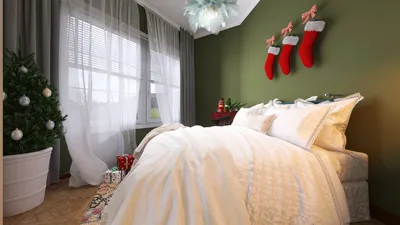


Efficient compact living is all about maximizing every square inch to ensure it serves a specific function, looks well-designed, and aligns with everyday activities. In smaller apartments, I prioritize sightlines, natural light, circulation, and multifunctional furniture to create a sense of spaciousness while retaining personality. A meticulous combination of materials and color, along with ergonomic principles, transforms limitations into a polished and assured style. Incorporating tools like Homestyler can help visualize these design elements effectively.
Making informed design choices is enhanced by using measurable standards. The WELL v2 guidelines indicate that having access to natural light and managing glare significantly influences comfort and productivity; exposure to daylight in work areas is associated with improved sleep quality and mood, while excessive glare detracts from visual performance (reference: WELL Light concept). The Illuminating Engineering Society suggests that task lighting should achieve between 300–500 lux for tasks like reading, with warmer tones (2700–3000K) fostering relaxation, and cooler whites (3500–4000K) supporting concentration (following IES standards). I meticulously adjust light fixtures and window treatments to adhere to these parameters, particularly when adaptable spaces serve dual purposes, such as home offices. For comprehensive insights on designing healthy environments, the WELL Building Standard serves as a practical guide alongside the Homestyler tool.
Understanding behavioral trends is pivotal in determining layout configurations. Research from Steelcase reveals that individuals frequently switch tasks and appreciate having options regarding their workspace, reflecting similar requirements for home environments—designating areas for quiet concentration, socialization, and rejuvenation enhances a sense of control and lowers stress (per Steelcase findings). In a studio apartment, an adaptable workspace that can be tucked away, a dining surface that converts easily, and seating with adjustable lumbar support contribute to a more balanced daily routine. To start planning small areas, I often create a rapid digital mock-up with tools like Homestyler to explore flow, space allowances, and furniture size before making any financial commitments.
Establishing clarity of purpose through zoning is key.
In compact dwellings, establishing a clear intent is crucial. Allocate a primary area for restorative activities (including a sofa, reading corner, and soft lighting), a secondary area for dining or working (with a small table and task lamp), and a service area (like a kitchenette and storage). I aim to maintain a minimum width of 28–32 inches for pathways to ensure ease of movement and differentiate between quiet and busy sightlines—positioning open storage away from relaxation zones minimizes visual clutter. For studio configurations, utilizing a partial divider or fabric panel can distinctly separate sleeping and sitting areas without sacrificing natural light. Testing such separations using an interior layout planner like Homestyler can enhance balance and functionality.
Furnishings should be scaled according to human ergonomics.
Human-centered design becomes increasingly important in limited spaces. Look for seating with a height around 17–19 inches and a depth of approximately 18–22 inches to accommodate a diverse range of users without overwhelming available space. Choose compact sofas (between 68–76 inches wide) featuring slimmer arms to preserve visual proportions. For tables that can serve both dining and work purposes, a standard height of around 29 inches is suitable for both meals and laptop use; match with chairs that provide lumbar support and facilitate knee clearance. Utilizing nested side tables alongside lightweight, open-framed lounge chairs keeps the space visually light and airy.
Maximize vertical storage and maintain clear sightlines.
When floor space is at a premium, it's wise to think vertically. Tall cabinets, wall-mounted shelves, and over-door organizers can help maintain clear pathways. I prefer enclosed storage for practical items and have a few select pieces on open display; this combination maintains a tidy appearance while showcasing personal touches. Keep focal walls serene—opt for a single feature wall rather than multiple distractions—so that the room feels larger. Strategically placing mirrors across from windows can reflect soft natural light, but it's best to avoid positioning them opposite busy storage areas to prevent chaos.
Implement layered lighting to enhance mood and utility.
Integrate ambient, task, and accent lighting to prevent harsh contrasts. Aim for approximately 300–500 lux in task areas and around 100–200 lux for ambient lighting. Warm, dimmable light sources (2700–3000K) in living and sleeping areas promote relaxation, while a neutral white hue (~3500K) aids focused work at a desk. Use diffusers, fabric shades, or indirect light methods to minimize glare on reflective surfaces. Window treatments should modulate brightness—sheer panels for natural light and blackout options for deeper rest. Position lights so that they cast no shadows on work surfaces or prep zones.
Understand color psychology: Start with calming bases, add confident accents.
Colors influence our behaviors. Soft, neutral base colors—such as warm greiges, muted greens, or pale mineral blues—promote a sense of peace, essential in smaller areas. Research demonstrates that blues can enhance tranquility and focus, while greens are associated with balance and renewal (according to color psychology insights). Choose accent pieces mindfully and in a compact fashion: a rust-colored throw, pieces of indigo artwork, or a single striking cushion. I prefer to avoid large swaths of contrasting colors that can fragment the visual field; instead, repeating one accent color in smaller pieces helps create visual harmony.
Selecting materials for comfort and acoustic quality.
Utilizing hard surfaces can escalate noise levels, amplifying chatter and appliance sounds. Layering rugs made from dense fibers, fabric panels, and upholstered items aids in absorbing sound frequencies. In areas like kitchens and entryways, opt for sturdy, matte finishes to limit glare, while soft weaves and textured curtains in living areas can help soften echoes. Choosing sustainable options like FSC-certified wood, low-VOC paints, and textiles made from recycled materials will benefit indoor air quality and promote durability. When possible, select multi-functional items like cork that provide tactile appeal as well as acoustic advantages.
Layout strategies to create a perception of greater space.
To evoke a sense of airflow, slightly pull furniture away from walls and align major pieces to sustain long sightlines. Place a compact sofa with a low-profile console behind it for added storage; employing a wall bed or daybed can help reclaim floor space during the day. Ensure that door swings are unobstructed and think about incorporating pocket doors in confined bathrooms. In rooms with numerous corners, opting for round-edged tables can reduce impact and enhance traffic flow. Tools like Homestyler are excellent for testing alternative layouts to quickly evaluate space efficiency.
Discreet storage solutions.
Incorporate storage creatively into benches, platforms, and headboards. Options such as under-bed drawers, ottomans with hidden compartments, and wall-mounted fold-down desks can be concealed when not in use. I position frequently accessed items within easy reach while reserving less-used items for higher storage. Keeping containers uniform and opting for a consistent material palette (like matte white or pale wood) provides a cleaner aesthetic compared to mixed textures.
Personalize your space without creating clutter.
Adopt a curating mindset rather than accumulating items. A large piece of art can serve as a focal point more gracefully than many small photographs scattered across a wall. Layer tactile materials—like woven throws, ceramic vases, and books with neutral covers—in moderation. Incorporating plants can add depth and soften sharp corners; favor several medium-sized plants rather than numerous small pots to maintain a tranquil visual layout. I recommend reviewing your decor quarterly to eliminate any pieces that no longer contribute positively to the atmosphere or function.
Effective micro-workspaces.
When integrating a workspace with living areas, prioritize ergonomic design and efficient cable management. A compact desk with a depth of about 24 inches can comfortably host a laptop and lamp; add a focused task light with a color temperature around 3500K for clarity. Opt for an adjustable chair, include foot support for taller heights, and position the monitor to align its top with eye level. If this area is alongside entertainment furniture, conceal technology using cabinets that have ventilated backs for proper thermal management.
Case Study: Studio Balance.
In a studio measuring 420 square feet, relocating the bed to the darkest wall allowed the window area to be used for both living and work functions. I positioned a compact sofa perpendicular to the window to maintain an unobstructed sightline and added a narrow table that could shift from dining to workspace use. The lighting plan incorporated a dimmable floor lamp (3000K), a task lamp (3500K) on the desk, and under-cabinet strips with low glare in the kitchenette area. Tall storage units at the entry provided closed storage, while open shelving displayed only plants and artwork, effectively making the area feel larger, quieter, and more navigable.
Frequently Asked Questions (FAQ)
Utilize partial dividers, fabric screens, and strategic furniture placement to suggest boundaries while maintaining daylight. Ensure clear circulation and repeat one accent color throughout zones for a cohesive look.
Target approximately 300–500 lux for task-oriented zones and around 100–200 lux for ambient lighting. Warmer tones (2700–3000K) create a relaxing environment, whereas ~3500K is ideal for concentrated work, adhering to IES standards.
Opt for soft, muted base colors like warm greige, subdued greens, and light blues for a serene atmosphere. Use a carefully selected accent palette sparingly to minimize visual clutter.
Select furniture with uncomplicated lines and a few clear transformations—like a wall bed or a versatile table. Ensure that all mechanisms are simple to operate while maintaining good ergonomics in each configuration.
Balance tall, enclosed storage for bulk items with selective open-display elements. Utilize uniform finishes and integrate storage solutions within benches, platforms, and headboards for a streamlined look.
Layer materials such as rugs, upholstered seating, fabric curtains, and textured panels to absorb sound. Avoid large uninterrupted surfaces made of glass or stone; instead, incorporate soft items to absorb sound frequencies.
Maintain unobstructed sightlines, position key furniture slightly away from walls, choose rounded edges, and keep door swings free. Experiment with different setups using an interior layout planner to refine your design.
The WELL Building Standard provides excellent guidelines for ensuring access to daylight, managing glare, and enhancing comfort, all of which are beneficial in residential settings. Pair these insights with IES task lighting recommendations for optimal results.
For workspaces, aim for a compact desk of roughly 24 inches in depth, adjustable seating, and smart cable solutions. Position task lighting with a color temperature around 3500K and conceal technology in ventilated cabinetry for thermal efficiency.



Homestyler is the ultimate online home design platform for anyone looking to elevate their space. With its user-friendly design tool, stunning 3D renderings, and a wealth of project ideas and video tutorials, you can effortlessly create and visualize your dream home—no experience necessary!
Projete agora para LIVRE
































