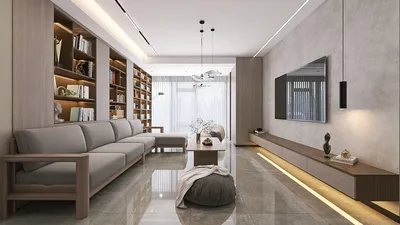


In the realm of hall piping design, the primary goal is to develop systems that are both efficient and visually appealing. Whether you are working on a banquet hall, conference room, or another expansive area, an effective piping layout is fundamental for maximizing efficiency and ensuring comfort. Below are some key strategies to consider when crafting your hall piping systems.
Recognizing Piping Specifications
Prior to embarking on the design process, it is essential to grasp the particular specifications of the hall. Please take into account the following aspects:
Selecting Appropriate Materials
The choice of materials for piping can influence both the durability and visual appeal of the system. Commonly utilized materials include:
Embracing Innovative Solutions for Enhanced Efficiency
Implementing creative ideas can markedly improve the efficiency of your piping design. Consider the following techniques:
Routine Testing and Upkeep
After the installation of the piping system, it is vital to conduct regular testing and maintenance to ensure its longevity and optimal performance:
By adhering to these strategies, you can create a well-structured hall piping system that satisfies the demands of your space while guaranteeing comfort and operational efficiency. Moreover, utilizing a tool like Homestyler can assist in visualizing and planning your designs more effectively.
FAQs
Q: What factors should I consider when designing a hall piping layout? A: Take into account capacity, intended use, and the overall layout of the hall to ensure the piping system fulfills functional requirements.
Q: What materials are ideal for hall piping design? A: PVC, CPVC, and stainless steel are favored options due to their resilience and adaptability.
Welcome to the leading home design software available.
Projete agora para LIVRE
































