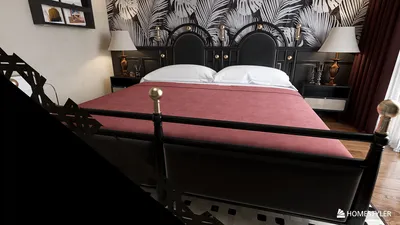


Creating a compact house in Minecraft doesn’t mean compromising on space. By focusing on a well-planned layout, circulation flow, and strategic lighting, a build ranging from 7×7 to 11×11 can feel spacious and visually appealing. Through my experience, the most effective compact designs harness distinct zones, vertical storage solutions, and a material palette that combines warmth with contrast, ensuring a pleasant gameplay experience while using tools like Homestyler for planning.
The choices you make regarding scale and layout can greatly affect your enjoyment of a small space. Research suggests that thoughtfully designed environments enhance productivity, as noted by Steelcase, which states that varied and functional areas can boost focus and control. This principle can be applied to Minecraft by organizing areas specifically for crafting, storage, and resting. To ensure comfort through lighting, it's vital to avoid both glare and shadows. Adhering to the Illuminating Engineering Society's guidelines assists players in maintaining visibility and consistent light in their virtual spaces. Warm color tones provide a welcoming ambiance, while cooler accents facilitate navigation; this aligns with studies from Verywell Mind that indicate blues can inspire calmness and concentration—perfect for a miniature studio-style home.
Organizing distinct zones minimizes unnecessary movement. Research from Herman Miller confirms that structured layouts ease workflows, reducing friction during gameplay. Within a small Minecraft residence, maintaining a travel time of one to two blocks between essential units such as the furnace, crafting table, and storage doubles can streamline processes. It’s also crucial to consider vertical ergonomics: place frequently used items at eye level, keep bulk storage lower, and store rare finds higher up.
Essential Guidelines for Efficient Minecraft Homes
- Aim for a 60/40 usage ratio: 60% dedicated to functionality (like crafting, storing, and smelting) and the remaining 40% for personal touches (sleep nook, scenery, displays).
- Design with a minimum of 3 blocks in height for the main area to achieve a sense of openness while allowing for mounted storage without bumping your head.
- Implement multi-layered lighting: utilize torches or lanterns for basic illumination, with glowstone or sea lanterns designated for work areas, and consider placing hidden lights behind trapdoors or beneath foliage for a cozy atmosphere.
- Maintain a tidy appearance by organizing blocks by materials and colors; aim for a cohesive palette consisting of two primary blocks, one accent block, and a decorative trim.
Layout Techniques That Optimize Space Utilization
Initiate your design with a compact footprint—preferably 7×9 or 9×9—then creatively stack or fit in smaller rooms. If you enjoy experimenting with designs, utilizing a room design visualization resource like Homestyler can help project sight lines and storage potential before construction begins.
- Example layout: a 2-block wide entrance, a storage wall on the left, a crafting line at the back, and a sleeping area to the right.
- Elevation adjustments: use slabs to enhance the furnace wall, and incorporate stair blocks to frame windows; suspended lanterns can be created using fences and trapdoors to produce low-glare illumination.
- Materials could include spruce logs for corners, oak planks for walls, a cobblestone foundation, and dark oak stairs to add depth. Don't forget a small porch with railing using trapdoors.
- Consider designing a sunken crafting area and stepping up to a raised sleeping platform.
- Position storage towers beside the crafting area; item frames and labeled barrels should be placed at eye level for easy access.
- For lighting solutions, install sea lanterns beneath carpets in the crafting pit to create shadow-free zones for tasks, while lanterns on chains above the loft provide a warm glow.
- Arrange spaces linearly: entry and mudroom → crafting area → back sleeping nook with scenic views.
- Use an alternating stair and slab roof to create clerestory windows that channel daylight deeper into your design.
- Add external features like flower boxes and awnings with trapdoors as well as a vertical trellis of leaves that includes hidden lighting.
- Ground: stacking storage and furnace; Middle: crafting and workstation; Top: sleeping area with viewing balcony.
- Implement a spiral staircase with trapdoors or ladders to maximize space; a 360-degree balcony can provide sweeping visibility of surrounding biomes.
- Material selections: a stone brick base, wooden midsection, and a copper or dark oak roof for sleek silhouettes.
Operational Zones and Movement Design
Consider establishing a triangular workflow: position the crafting table, the furnace/smoker/blast furnace wall, and the primary storage all within a few blocks of each other. Allow for at least 2 blocks of clear pathways to facilitate easy movement. Elevate utility blocks like the cartography table, loom, or grindstone in a side alcove to prevent congestion during nighttime encounters.
Lighting, Color Use, and Comfort
- Lighting: Conceal sources like shroomlights behind foliage or use end rods as lighting fixtures to deter hostile mobs and avoid relying on jarring contrasts. According to IES principles on task visibility, ensure that crucial surfaces such as chests, signs, and crafting benches are uniformly lit for ease of access.
- Color strategy: Employ warm wood tones to enhance nighttime comfort, complementing with cool-toned banners or glazed terracotta to sharpen focus near work zones. Incorporating blue accents can create designated focus areas, while a warm rug can signify resting zones.
- Acoustic elements can enhance immersion: consider introducing water features or soft note blocks to delineate zones—tranquil sounds in the bedroom, brighter notes in workshop areas.
Material Choices and Sustainable Gameplay
Incorporate renewable wood sources (like sapling farms) alongside durable stone for robust protection against creeps. Over time, copper roofs develop a unique patina, offering a lived-in appearance that benefits long-term players. For bases in the Nether, opt for non-flammable materials such as basalt and blackstone, while adding warped wood for contrast and to uplift morale in red-tinted environments.
Roof Designs, Heights, and Facade Patterns
- Utilizing gable and dormer styles on smaller cabins can enhance volume without extending the footprint.
- Asymmetrical roofs with slab returns can lessen bulkiness and enhance light and shadow play.
- Maintain a window-to-wall ratio of 1:2; arrange windows vertically to elongate smaller façades.
- Corner treatments: use logs or stone pilasters at edges to ensure silhouettes are distinct from a distance.
Innovative Storage Solutions Beyond Boxy Designs
- Combine barrels and trapdoors for an aesthetically pleasing storage wall.
- Conceal bulk storage beneath floor hatchways; implement water streams or hopper configurations for efficient auto-sorting later on.
- Establish a designated ‘hot bar shelf’ with 6–8 labeled barrels storing your most utilized materials right next to your crafting table.
Functional Outdoor Spaces
- Create a small porch with a bench (using stairs + signs), include a 3×3 herb garden, and a composter to indicate daily rituals.
- Position lanterns between 2.5 to 3 blocks high to minimize glare; mix gravel and moss path blocks for a soft-edged transition.
- Consider adding a petite watchtower or crow’s nest for increased visibility and scouting opportunities in different biomes.
Biome-Specific Styles and Variations
- Taiga Cozy: focus on a spruce-heavy palette, incorporating a campfire chimney and snow-covered eaves with trapdoors.
- Desert Minimalism: leverage sandstone, stripped logs, a flat roof topped with a parapet, and wind towers alongside a cactus garden.
- Mangrove Stilt House: elevated flooring with logs, open lattice-style walls, and a boat dock, accented by frog lights.
- Mountain Retreat: incorporate stone with deepslate trim in a compact design, featuring switchback stairs and a cliffside balcony.
Progressive Enhancements Over Time
Plan your expansion: begin with a 7×7 hut, later add a loft, and then create a 3×5 annex for additional storage. The third phase could introduce basic redstone elements—implying hidden lighting activated by daylight sensors, trapdoor shutters, or a pop-up crafting station. It's essential to maintain palette consistency as you expand to prevent visual discrepancies.
Safety and Performance Considerations
- Ensure spawn-proofing: manage light levels to deter hostile mobs; layering carpets and slabs appropriately is key.
- Maintain line-of-sight: orient windows towards entry paths; position bells at doors for audible alerts.
- Prioritize fire safety: use stone around furnaces and fireplaces; include a lightning rod at roof peaks.
Quick Build Guides
- Cozy Corner: a bed accompanied by two barrels, a lantern, and a floral display on a composter; use a banner as a headboard.
- Crafting Wall: install a crafting table nestled between two barrels, topped with a stair lintel; label your items with frames.
- Porch Setup: design a campfire below a cauldron to create a ‘chimney’ effect, add two chairs (stairs + signs), and hang a lantern for mood lighting.
Design References and Notes
To understand the links between focus, comfort, and visibility, consult research from Steelcase regarding effective workspace environments, as well as lighting principles consistent with IES guidelines for clarity. For insights on color implications that enhance calm or alertness, Verywell Mind provides a useful primer. These findings can seamlessly translate into the creation of small, purpose-driven interiors in Minecraft with assistance from software like Homestyler.
Frequently Asked Questions
A 5×7 interior can indeed be effective if you maximize vertical space. Keep crafting zones within close proximity of 3-4 blocks and maintain a 2-block aisle for ease of movement.
Layer lanterns at eye-height and incorporate hidden sources like shroomlights behind foliage or sea lanterns beneath carpets to ensure even coverage around vital areas like chests and crafting tables, reducing harsh contrasts.
Utilize warm woods (spruce, oak) in conjunction with stone or deepslate for trim accents. Enhance the environment with textiles—carpets, banners—and lantern lighting to achieve a comfortable ambiance.
Create a wall of barrels combined with trapdoors for storage, utilize hatches for bulk items below, and establish a ‘hot bar shelf’ of 6–8 labeled barrels readily available at your crafting station.
Design with asymmetrical gables or a modest gable featuring a singular dormer. Slab returns maintain light mass while offering an element of depth and shadow.
For a desert biome, use sandstone along with shaded courtyards, flat roofing with parapets, and incorporate cacti and various leaves for an oasis effect. In the Nether, substitute wood for blackstone/basalt, integrating wood accents and fire-resistant details throughout your build.
Consider a three-phase construction: begin with a loft, then introduce a 3×5 annex, followed by a small tower. Maintain the initial color scheme and repeat details like eave depth and window arrangements.
A 7×7 with a corner bed, centralized crafting area, a pair of furnaces, and a 2-block high storage section works well. Include a porch and lantern on day two, then excavate a cellar as needed.
Establish routines that may include a porch bench, herbal patch, drying rack (created with fencing and string), along with a wall dedicated to maps or achievements to commemorate your progress in the game.
Warm color palettes create relaxing environments; contrasting cool colors guide focus. Employ warm rugs in sleeping spaces while cooler blues are beneficial near crafting areas to enhance concentration.
For tight spaces, consider using ladders; a stylish option is a trapdoor spiral; compact stair switchbacks are efficient for quick access during raids.
Absolutely—utilize hidden lighting synced with daylight sensors, create pop-up utility spaces with piston mechanics, or establish compact auto-sorting systems accessible via floor hatches.


Looking to transform your space? Homestyler is your go-to online home design platform! With its user-friendly design tool, impressive 3D renderings, inspiring design projects, and helpful DIY video tutorials, you can effortlessly create the home of your dreams. Dive in and unleash your creativity today!
Projete agora para LIVRE
































