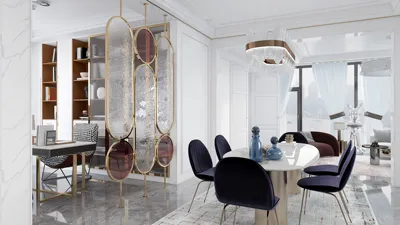


Integrating a washer and dryer into a limited kitchen space can be accomplished effortlessly when circulation patterns, functional zones, and necessary services are organized from the start. In compact residences, I emphasize vertical stacking for appliances, silent operation, and adequate clearance to ensure that cooking and laundry tasks can be executed smoothly side by side. According to Gensler’s U.S. Workplace Survey, environments that support transitions between tasks enhance productivity; applying this concept to home design, clearly defined zones minimize the need for constant shifts in focus, reducing visual strain while you cook and manage laundry with the help of tools like Homestyler.
Clearances are essential and cannot be overlooked. The National Kitchen & Bath Association advises maintaining a 36-inch pathway for one chef and 42 inches for two, which influences corridor dimensions even in compact kitchens. When it comes to lighting, the Illuminating Engineering Society recommends kitchen task areas receive 30 to 50 footcandles; I target this level on work surfaces and the laundry folding area to lessen eye strain during sorting or reading labels. Research from Steelcase has shown a correlation between visual comfort and reduced fatigue in repetitive tasks—ensure brightness is uniform across cooktops, countertops, and the laundry niche to prevent any area from becoming overwhelming visually.
Essential Layout Techniques
I start by mapping the kitchen triangle (sink, range, fridge), then incorporate the laundry as a supplementary workflow. The arrangement of the washer and dryer should not disrupt the main food preparation path. In studio apartments and narrow galley kitchens, utilizing a linear design with a stacked laundry setup at one end minimizes traffic flow. When space permits, including a shallow utility closet with bifold or pocket doors can dampen sound and tidy visual clutter, maintaining a streamlined cooking space.
While experimenting with various layouts in a constrained space, I often leverage a room layout tool such as Homestyler to visualize clearances and door movements effectively.
Control of Ventilation, Noise, and Vibration
Acoustic comfort plays a significant role in enhancing quality of life. WELL v2 promotes targets for background noise and emphasizes the importance of managing mechanical sounds. Opt for washers that incorporate vibration dampening and dryers with noise ratings below approximately 60 dB during standard operation. To bolster this, place anti-vibration pads under the appliances' legs, insulate the niche with mineral wool, and choose a solid-core pocket door. If external venting isn’t an option, consider heat-pump or condensing dryers to minimize duct needs and decrease heat transfer into the kitchen. Don't forget to ensure proper airflow; a 1-inch undercut at the door or an inconspicuous grille can help prevent negative pressure.
Plumbing and Electrical Considerations: Prioritize Planning
Stacked appliances generally require a 240V outlet for electric dryers (or gas connections as applicable), a 120V outlet for the washer, and a drain equipped with a standpipe and trap. I recommend positioning a leak pan equipped with a drain and ensuring an accessible shutoff box is located above countertop height for ease of access. It is advisable to cluster services along the same wall as the sink to reduce the need for redundant wet-wall installations, thereby easing maintenance.
Considerations for Door Movements, Access, and Ergonomics
Human ergonomics should be a key focus whenever doors and drawers are in close proximity. Configure appliance doors to open away from the cooking area and ensure that the arcs of movement for the washer and adjacent pantry do not conflict. If possible, elevate the stacked dryer by 6–8 inches above standard height, positioning the drum at elbow level to ease access. Include a nearby 15-inch landing surface for detergents and folded garments—this space is sufficient for everyday tasks without encroaching on the preparation area.
Lighting and Color Choices to Alleviate Visual Distraction
Task lighting should achieve the IES-recommended lighting levels of 30 to 50 footcandles at counters and the laundry folding area. I opt for a color temperature of 3000 to 3500K to ensure a neutral, food-accurate palette, paired with high-CRI (90+) light sources to comfortably view stains and garment labels. To manage glare, either recess or shield under-cabinet LEDs and apply matte finishes on adjacent surfaces. From a psychological perspective, using soft neutral tones with subtle accent colors (like sage or slate blue) in the laundry niche helps create a calming visual effect; research suggests that overly vibrant reds can increase anxiety, which is particularly unhelpful in small, multifunctional spaces.
Dual-Purpose Storage Solutions
Incorporate a tall pull-out section for storing detergents and cleaning products adjacent to the washer and dryer, along with a slim drawer for hampers situated below counter height. If the appliance is housed within a closet, attach a slim rail on the inside of the door for storing stain treatment pens and mesh bags. Above, opt for 12-inch-deep cabinets to prevent head bumps and maintain visual continuity throughout the kitchen, thereby enhancing the perception of spaciousness.
Choosing Appropriate Materials for Moisture and Heat
Select durable surfaces with low porosity—think laminated plywood cabinetry, compact laminate or quartz countertops, and moisture-resistant paint (eggshell/satin) around the laundry area. Install a continuous vinyl or porcelain tile floor below the appliances to safeguard against possible leaks and avoid floor thresholds that can hold water. For eco-conscious choices, consider Energy Star-rated washers and heat-pump dryers to lower energy consumption and heat output.
Three Proven Layout Options
Position the stacked washer and dryer at the entry point, then arrange the fridge, sink, preparation area, and range along the main stretch. On the opposite side, include a shallow pantry and a 24-inch countertop segment for folding. Maintain a 36 to 40 inch pathway; for narrower spaces, opt for counter-depth appliances.
For the shorter leg of an L-shaped layout, create a 30 to 34 inch-deep niche with pocket doors. Adjacent counter space can serve as a laundry landing area, while the longer leg accommodates the sink, range, and fridge. This setup helps to minimize noise while preserving a unified preparation surface.
Align the fridge, sink, preparation zone, and range in a flowing sequence, concluding with a utility column (stacked washer and dryer plus tall storage). Opt for a ventless dryer to simplify ducting challenges. Ensure that upper cabinets remain seamless to uphold visual coherence.
Safety and Code Considerations
Verify local codes regarding venting, GFCI compliance within six feet of sinks, dryer duct specifications, and combustion air if natural gas is used. Install a smoke detector in close proximity and a heat sensor if required by code in kitchen areas. Always adhere to manufacturer clearance recommendations for service accessibility; I maintain a minimum distance of 1 to 2 inches behind units for hoses and power cords to avoid kinking.
Budgeting and Phasing Strategies
Direct funding first towards essential services (electrical, plumbing, venting), followed by acoustic treatments, and then cabinetry. Transitioning to a 24-inch heat-pump dryer may incur higher initial costs but can reduce venting challenges and energy expenses over time. If renovations are conducted in stages, begin by installing plumbing and dedicated circuits early on, before adding cabinetry and doors in subsequent phases to prevent reopening walls.
Quick Reference Specification Checklist
Frequently Asked Questions
A compact stacked laundry setup typically fits within a niche of approximately 30 to 34 inches wide by 30 to 34 inches deep, alongside required door clearance. A 36-inch clearance in front is necessary for safe operation.
Indeed. Heat-pump or condensing dryers eliminate the need for extensive ductwork, reduce heat loss, and streamline installation. Adequate ventilation within the closet and proper management of condensate according to manufacturer specifications are essential.
Utilize anti-vibration pads, select machines with low noise ratings, soundproof the niche with mineral wool, and opt for a solid-core pocket door to contain sound. Position the unit at the end of the appliance run to minimize resonance transmitted through cabinetry.
Aim for 30 to 50 footcandles in the counter and laundry sorting area, using a color temperature between 3000 and 3500K with a CRI rating of 90+ for optimal clarity. Combine with under-cabinet task lighting and a dimmable ambient fixture to balance light levels.
Ensure that appliance doors swing open away from the cooking preparation area and check the combined arcs of the washer, dryer, pantry, and fridge for overlap. Employ a layout simulation tool like Homestyler to confirm necessary clearances.
Yes, utilizing pocket or bifold doors that meet appliance durability standards alongside adequate ventilation is feasible. Ensure consistent service access and maintain a 1-inch undercut or grille for proper airflow.
Moisture-resistant materials (laminated plywood), quartz or compact laminate surfaces, and continuous flooring in porcelain or vinyl are recommended. Opt for matte finishes to minimize glare and reduce visibility of fingerprints.
Ensure that cabinet designs across the laundry niche are consistent, incorporate concealed storage for detergents, and maintain a serene color scheme. Preserve sightlines with 12-inch-deep upper cabinets and limit open shelves near the appliances.
In compact kitchens, stacking saves 24 to 27 inches of width. Side-by-side configurations are viable if you require a continuous folding surface above but will demand more horizontal space.
Situated next to the laundry niche or opposite in a galley design, at standard countertop height (34 to 36 inches). A 24-inch segment should suffice for everyday laundry tasks without encroaching upon prep areas.
Homestyler is your go-to online home design platform! With its user-friendly design tool, stunning 3D rendering capabilities, and a wealth of DIY video tutorials, you can effortlessly visualize and create beautiful spaces. Transform your home design journey with inspiration at your fingertips!
Projete agora para LIVRE
































