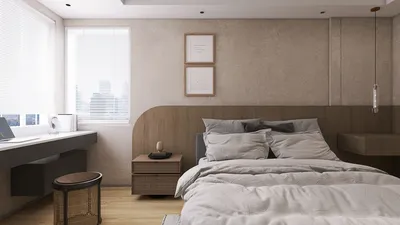


Direct Answer
Achieving comfort and energy efficiency in bedroom lighting involves implementing layered lighting, selecting appropriate LED wattage and color temperature, and incorporating smart controls to minimize wasteful energy use. By combining ambient, task, and accent lighting thoughtfully, lower wattage fixtures can create a more comfortable environment while reducing electricity consumption.
Typically, warm LEDs ranging from 2700K to 3000K, paired with dimmers and well-positioned fixtures, provide the perfect balance of relaxation, visibility, and energy conservation in bedrooms.
Quick Takeaways
Introduction
Bedroom lighting is frequently an underestimated aspect when aiming to enhance both comfort and energy usage at home. From designing numerous residential interiors over the years, I have observed a common tendency: people often try to fix lighting issues by increasing bulb brightness rather than refining the overall lighting design.
True energy-efficient bedroom lighting isn't just about increasing lumen output. It’s centered on proper light distribution, picking suitable LED wattage, and controlling lighting usage effectively.
When entering a poorly illuminated bedroom, typical problems stand out: an overly bright single ceiling fixture, bedside lamps that barely provide enough light, and absent dimming options. Such setups lead to energy waste and discomfort.
Before modifying fixtures, I recommend visualizing the lighting arrangement similarly to how designers plan furniture placement. Tools that enable homeowners to see both furniture and lighting layouts simultaneously, like Homestyler, can help identify why lighting often feels uneven.
This guide details practical methods used in real projects to boost bedroom lighting efficiency without compromising on comfort.
Principles of Energy Efficient Bedroom Lighting
Key Insight: Bedroom energy efficiency improves significantly when lighting is divided by function rather than relying on a single bright fixture.
Many bedrooms consume excessive power because they depend on one central ceiling lamp operating at full power constantly. From an energy standpoint, this is inefficient and uncomfortable.
A more effective solution is a layered lighting system where each light serves a defined purpose.
Essential lighting layers for efficiency include:
With these layers, each light can run at reduced wattage. For instance, bedside lamps handle reading tasks, making it unnecessary for the ceiling light to be very bright.
Experts from the Illuminating Engineering Society consistently recommend layered lighting because it enhances comfort while lowering total electricity usage.
Choosing the Right LED Wattage and Color Temperature
Key Insight: The ideal LED wattage per bedroom fixture ranges from about 5W to 12W, combined with warm color temperatures between 2700K and 3000K.
Lighting issues often arise from incorrect bulb choices rather than poor fixture placement.
Suggested LED wattage by fixture type:
Color temperature recommendations:
Research from Harvard Medical School indicates that cooler light later at night can cause increased alertness; warm light encourages melatonin production, making warm LEDs preferable in bedrooms.
Smart Lighting Controls for Bedrooms
Key Insight: Lighting controls frequently reduce energy consumption more effectively than just upgrading to energy-efficient bulbs.
In many households I've observed, the greatest energy waste happens from lights being left on unnecessarily.
Smart lighting technology addresses this through automation and adjustable brightness.
Effective bedroom lighting control options include:
Studies by the U.S. Department of Energy find that dimmable LED systems can cut lighting energy use by 20–30%, depending on usage patterns.
When planning lighting controls, mapping the room layout is essential for deciding switch locations and lighting zones. I often suggest using visual floor planning tools such as Homestyler to experiment with lighting zones and furniture placement before fixing electrical positions.
Layered Lighting Strategy for Maximum Comfort
Key Insight: Comfort results from contrasting and balancing light, not uniform brightness throughout the bedroom.
A common error is over-illuminating the center area while keeping functional zones dim.
Recommended layered lighting layout:
This approach disperses light evenly and allows individual lights to function at lower intensities.
Answer Box
The most effective bedroom lighting blends warm LED bulbs, layered lighting setups, and smart controls. Rather than merely increasing brightness, refining fixture placement and layering reduces energy while boosting comfort.
How Quality LED Technology Enhances Efficiency
Key Insight: Long-term energy savings stem from advanced LED drivers and consistent lumen output, not just initial efficiency ratings.
Not every LED performs equally. In professional lighting projects, I consider three critical factors before selecting a brand:
Highly efficient LED systems maintain steady brightness and consume less power over time, preventing early dimming issues that lead to higher wattage usage or early fixture replacement.
Design Tips for Reducing Energy Use While Maintaining Ambience
Key Insight: The most substantial energy savings in bedrooms often come from smart design choices rather than solely from technology upgrades.
Years of residential lighting experience show that small adjustments can consistently lower energy usage and improve atmosphere.
Practical design recommendations include:
Many designers leverage digital simulation tools that allow homeowners to visualize interior lighting and room layouts interactively. Platforms like Homestyler support this by blending AI-assisted interior design visualization, enabling better balance between brightness and efficiency before installation.
Final Summary
FAQ
What is the best LED wattage for bedroom lighting?
Most bedrooms perform well with 9–12W for ceiling LEDs and 5–7W for bedside lamps. Correct fixture placement is more significant than using bulbs with higher wattage.
What color temperature suits bedroom lighting best?
Warm light between 2700K and 3000K is optimal for promoting relaxation and sleep, as opposed to cooler white lighting.
How do I design energy-efficient bedroom lighting?
Use layered lighting techniques, install dimmers, select energy-efficient LED bulbs, and avoid depending on one high-wattage ceiling fixture.
Do smart lights truly reduce electricity usage?
Absolutely. Features like dimming, scheduling, and motion detection help minimize unnecessary lighting time and decrease overall energy consumption.
Is 4000K lighting suitable for bedrooms?
Generally not. 4000K provides cooler light better suited for offices or kitchens rather than relaxing bedroom environments.
How many lighting sources are ideal in a bedroom?
Typically, three to five light sources, including ambient, bedside, and accent lighting, create the most comfortable atmosphere.
Are LED strip lights energy-efficient for bedrooms?
Yes. Low-wattage LED strips offer soft, indirect illumination and consume much less energy compared to traditional bulbs.
Can lighting design impact sleep quality?
Indeed. Harsh overhead lighting or cooler color temperatures can interfere with relaxation and delay falling asleep.
References
What began as an Autodesk innovation has evolved into a design platform used by more than 18 million people around the globe. Homestyler combines powerful rendering, an intuitive editor, and a vast furniture library to help you turn inspiration into photorealistic designs — whether you're redesigning a single room or planning an entire home.
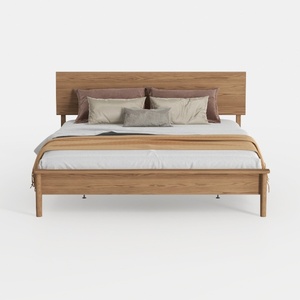
Minimalist Solid Oak Wood Platform Bed with Headboard 3D Model
Minimalist Solid Wood Slatted Coffee Table 3D Model
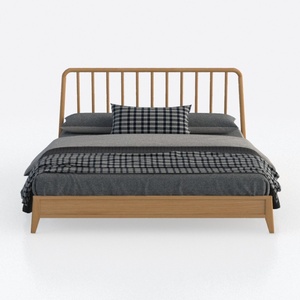
Modern Solid Oak Wood Spindle Headboard King Bed 3D Model
Homestyler offers an easy-to-use online design tool, stunning 3D renderings, and a vast collection of interior design projects. Plus, detailed video tutorials help you create and customize your dream home effortlessly, whether you're a beginner or a design pro.
Projete agora para LIVRE
































