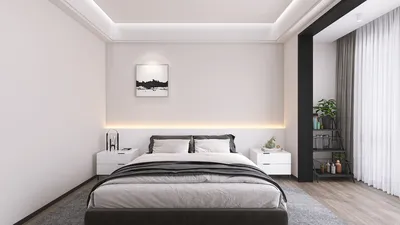


Exceptional hotel beds do more than just offer an inviting appearance—they enhance brand standards, elevate guest satisfaction, and safeguard RevPAR through improved sleep quality. According to Gensler’s Experience Index, comfort remains a crucial determinant of overall satisfaction in hospitality settings. Research conducted by Steelcase indicates that environments that foster restorative rest can greatly impact guests' intentions to return. The WELL Building Standard also emphasizes the significance of sleep-supporting settings (WELL v2, Mind, and Light concepts) as essential for occupant wellness, highlighting the need for effective acoustic and lighting strategies around the bed. Utilizing tools like Homestyler can help visualize these environments effectively.
In terms of ergonomics, a mattress height of 24–28 inches (610–710 mm) from the finished floor usually corresponds with the average knee height, facilitating easier entry and exit for most adults. This dimension range has been validated through full-scale mockups on multiple occasions. WELL v2 advocates for glare control and circadian lighting. By matching bedside ambient lighting to warm correlated color temperatures (CCTs) of 2700–3000K with indirect distribution, melatonin suppression during the night can be significantly reduced. Additionally, task lighting positioned at 300–500 lux at the pillow level supports reading while minimizing reflections. For more comprehensive design insights, including hospitality benchmarks, refer to Steelcase research and WELL v2 guidance available at wellcertified.com.
Establishing the Foundation: Bed Size, Proportions, and Circulation
When selecting bed size, consider brand tier, room width, and necessary clearances. A Queen bed (60×80 in) typically fits well in smaller rooms; a King bed (76×80 in) is ideal for premium categories or suites. Ensure there is a minimum of 30–36 inches of clear space on the primary sides for housekeeping and luggage movement; in compact spaces, 18–24 inches may suffice at the foot if major traffic is not a concern. The bed height, including the mattress and topper, should be within the 24–28 inch range to achieve a balance of luxury and accessibility. To evaluate various configurations, utilizing a room layout tool can aid in simulating clearances and circulation efficiently—consider incorporating Homestyler for this purpose.
Headboards: Acoustic, Hygiene, and Brand Expression
Headboards serve as a visual anchor in the room while protecting walls from wear and tear. Upholstered headboards enhance perceived comfort and help diminish high-frequency sound reflections around the sleeper’s head. For optimal durability against housekeeping challenges, choose panels that can be replaced or cleaned, utilizing performance fabrics rated for 100,000+ double rubs on the Wyzenbeek scale. Options such as wood or laminate with integrated upholstered inserts can offer a balanced approach to maintenance. Strive for an overall height of 48–60 inches to adequately frame pillows and reading lights, while also maintaining alignment with artwork.
Mattress Specifications: Comfort That Lasts
When it comes to hotel mattresses, consistency often trumps customization. Medium-firm profiles tend to accommodate the broadest range of guests. Hybrid designs that combine pocket coils with foam comfort layers provide both support and motion isolation—an essential trait for shared beds. To enhance durability, opt for pocket coils in the support core ranging from 12–14.5 gauge and high-density foams in the comfort layer (≥1.8 lb/ft³ for polyfoam; ≥4 lb/ft³ for memory foam) to alleviate early body impressions. Consider double-sided mattresses for high-usage properties, and ensure that mattress encasements are breathable, bedbug-resistant, and zippered on three sides for swift replacement.
Top of Bed: Layering for Opulence and Efficiency
The top layers are pivotal in determining tactile comfort and the efficiency of bed turnaround. Incorporate a hypoallergenic topper (1–2 inches) for plushness while still providing support. Duvet inserts featuring baffle-box construction prevent clumping during laundering, while the grams per square meter (GSM) should align with climate and brand standards—lower GSM for tropical regions and higher GSM for temperate or cold areas. Triple-sheeting is a housekeeping best practice for speed and hygiene. Ensure color accents on throws and cushions correspond with brand palettes while utilizing easy-to-launder, stain-resistant textiles.
Integrated Lighting: Curb Glare, Maintain Circadian Rhythm
Lighting adjacent to the bed should include layers of ambient, task, and wayfinding sources. Provide bedside reading lights (300–500 lux) with focused beams to minimize glare for partners. As per IES guidelines, employing indirect or shielded luminaires helps to lower high-angle glare; warm CCTs (2700–3000K) promote pre-sleep relaxation. Nightlights adjusted to 1–5 lux at a toe-kick level facilitate midnight navigation without disturbing sleep. Include individual dimming options on each side to accommodate varied sleep schedules—this is especially relevant for business travelers.
Power, Technology, and Accessibility
Today's guests expect accessible power and data options. Position outlets 6–10 inches above nightstands to keep plugs unrestricted from lamp bases. A minimum of two AC outlets, one USB-A, and one USB-C per side should be specified, while wireless charging pads help reduce cable clutter. Ensure efficient cord management channels within headboards to avoid tangled wires. For international properties, using modular faceplates with replaceable standards can simplify maintenance processes.
Acoustic Comfort: The Quiet Luxury
Acoustic tranquility is synonymous with perceived luxury. Use upholstered headboards, textile wall panels, and heavy drapes with blackout linings to absorb sound reflections. Strive for a target background noise level of NC 25–30 in sleeping areas as a reasonable comfort benchmark. Soften hard surfaces around the bed with carpet tiles employing high NRC underlay, or place area rugs beneath the bed foundation, while ensuring edges are vacuum-friendly to enhance housekeeping efficiency.
Underbed Strategy: Storage Solutions and Housekeeping
Maintain underbed clearances of 6–8 inches to permit robotic or low-profile vacuums. If local practices prefer blocking storage, design toe-kick bases or slatted panels to prevent misplaced items. Round any exposed corners at the bed’s foot to avoid shin impacts during luggage handling. Ensure bed frames can endure a quick wobble test; incorporate center rails with adjustable glides to maintain levels on uneven surfaces.
Safety, Ergonomics, and Accessibility for All
Edge support plays a crucial role. Reinforced perimeter coils or high-density foam rails diminish roll-off risk, which is particularly important in ADA-compliant rooms where transfer stability is vital. For accessible rooms, the bed height may need to align with typical wheelchair seat heights (typically 17–19 inches from the top of the mattress), achievable by using thinner foundations. Ensure sconce switches and reading light controls are situated 18–48 inches above the finished floor and within 10–16 inches horizontally from the bed edge.
Material Choices and Sustainability Practices
Select durable, low-emission materials for the sleep area. Ideally, opt for GREENGUARD Gold certified foams and finishes, and require removable covers for headboards to extend their life span. Stain-resistant performance fabrics will minimize chemical usage from rigorous cleaning. For wooden components, consider using FSC-certified veneers coupled with high-abrasion protective topcoats.
Color Psychology: Creating Calmness without Blandness
Bedrooms benefit from the application of soft hues—neutral tones or desaturated blues and greens are linked to tranquility, as suggested by color psychology research. Accent colors can appear on pillows or throws to reflect brand identity without overwhelming the eye. Avoid using high-chroma colors on expansive surfaces behind the pillows to prevent visual overstimulation during sleep onset.
Layout Strategies That Always Work
Position the bed centrally on the primary wall flanked by symmetrical nightstands for visual symmetry and intuitive accessibility. Should windows necessitate an off-center bed, balance the space with asymmetrical lighting and art while ensuring equal functional reach zones. In limited spaces, position the headboard against a full-width panel that spans the nightstands; this visually enlarges the room, conceals cabling, and simplifies housekeeping. Experiment with alternative placements and evaluate potential clearance stress points using an interior layout planner.
Distinctive Touches for Brand Identity
Small, consistent details significantly enhance brand recall: features like contrasting decorative stitching on headboard seams, custom pulls on nightstands, and integrated shelves for hydration and tech devices create a refined experience. Employing a single cohesive material—such as ribbed upholstery or reeded wood—across headboards and wardrobe doors can unify the aesthetic without substantially increasing costs.
Room Categorization: Good, Better, Best
A Queen bed with an upholstered headboard featuring replaceable panels, two compact nightstands equipped with integrated power outlets, and single reading lights on each side, all adorned with triple-sheeted bedding and appropriate underbed clearances for cleaning purposes.
A King bed with a taller headboard inclusive of acoustic inserts, independent swing-arm task lights with dimmable ambient options, an upgraded GSM duvet, and a mattress that boasts perimeter reinforcement alongside dual wireless charging options.
A custom headboard wall accompanied by integrated millwork, layered lighting presets, a hybrid mattress boosted by an upgraded topper, a foot bench for luggage handling, concealed cord channels, and premium textiles that offer enhanced tactile contrast.
Commissioning and Maintenance Procedures
Create a prototype of one guest room and conduct a 60–90 day assessment: monitor housekeeping turnover times, guest feedback on sleep quality, and wear on edges or seams. Rotate mattresses on a quarterly basis and inspect encasements monthly. Keep a spare selection of headboard panels and lampshades readily available for quick exchanges. This operational preparedness safeguards ratings and revenue in the long run.
Frequently Asked Questions
Q1. What is the recommended bed height for most hotel guests?
A1. The aim should be a height between 24–28 inches from the finished floor to the top of the mattress. This height corresponds with average knee levels, facilitating easier transfers for guests of varied age and mobility levels.
Q2. What firmness level of mattress satisfies the broadest spectrum of sleepers?
A2. Generally, medium-firm mattresses provide optimal performance across diverse demographics. Hybrid designs unite support with motion isolation, minimizing disturbances for partners.
Q3. How can bedside lighting be integrated effectively for reading while avoiding glare?
A3. Install focused reading lights that deliver approximately 300–500 lux on the page, utilize warm CCTs (2700–3000K), and incorporate shielded optics to avoid light spill onto a sleeping partner.
Q4. What clearances surrounding the bed enhance housekeeping and guest comfort?
A4. Aim for clearances of 30–36 inches on primary sides to facilitate movement and luggage handling. At the foot of the bed, 18–24 inches is typically sufficient in compact environments if it’s not a main thoroughfare.
Q5. How can acoustic comfort be improved around the bed?
A5. Incorporate upholstered headboards, fabric wall panels, heavy blackout drapes, and soft flooring materials. These factors work collectively to minimize sound reflections and support a quiet atmosphere conducive to restful sleep.
Q6. What power and charging options should be made readily available?
A6. At a minimum, ensure there are two AC outlets along with USB-A and USB-C options on each side, with control switches and ports easily accessible from the pillow area. Wireless charging pads are a great addition to enhance convenience and reduce cord clutter.
Q7. How can luxurious yet easily manageable bedding be selected?
A7. Combine a slim topper for added softness, employ triple-sheeting for efficiency and hygiene, and utilize a baffle-box duvet insert with climate-sensitive GSM to maintain loft after laundering.
Q8. Are there color guidelines for fostering better sleep?
A8. Employ low-saturation neutrals, blues, and greens for primary surfaces, reserving high-chroma accents for smaller textiles to promote a serene view at the pillow line.
Q9. What is the most effective strategy for utilizing underbed space?
A9. Maintain a clearance of 6–8 inches to accommodate cleaning equipment, unless operations prefer closed bases to reduce the risk of item loss. If opting for closure, use toe-kick designs or panels while ensuring robust center support.
Q10. How should bed design be adapted for accessible rooms?
A10. Aim to lower the overall bed height closer to typical wheelchair seat heights (commonly 17–19 inches), reinforce edge support, and keep switches and power ports within accessible reach for all guests.
Q11. What’s an efficient layout strategy for narrow rooms?
A11. Implement a full-width headboard panel that integrates both nightstands and lighting. This technique enhances the perceived spaciousness of the room, conceals cabling, and simplifies cleaning tasks.
Q12. How frequently should hotel mattresses be rotated?
A12. Quarterly rotation is an effective practice in high-occupancy establishments, complemented by monthly inspections of encasements and seam wear.
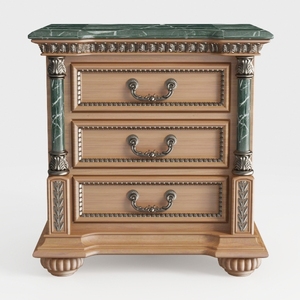
Classic Vintage Marble Top Solid Wood 3 Drawer Nightstand 3D Model


Mid Century Solid Oak Wood Platform Bed With Spindle Headboard 3D Model
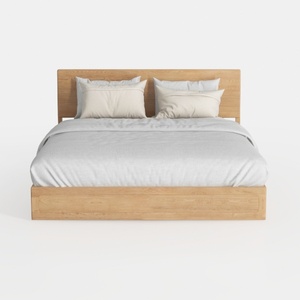
Minimalist Solid Oak Wood Platform Bed with Bedding 3D Model
Looking to transform your home? Homestyler offers an exceptional online design tool that allows you to visualize your ideas in stunning 3D. With a wealth of design projects and helpful video tutorials, you'll find inspiration and guidance at every turn. Start your design journey today!
Projete agora para LIVRE
































