

Scent has the remarkable ability to transform a room's atmosphere in a matter of moments. However, selecting the right liquid refill does more than merely mask unpleasant odors; it enhances overall well-being, harmonizes with the design elements of the space, and maintains optimal air quality and comfort. My approach to fragrance is akin to my handling of light or color: it must enhance the identity and functionality of the environment without becoming overpowering.
There are solid reasons to consider scent as an integral part of a space's overall performance. According to Steelcase, workplace comfort, including aspects like air quality and noise, is linked to increased employee engagement and productivity. Furthermore, our sense of smell directly affects stress levels and cognitive focus. The WELL v2 framework places a strong emphasis on healthy indoor air by limiting VOCs and promoting ventilation practices that prevent scent build-up. With these insights, I carefully select my liquid refills: opting for low-VOC options, applying conservative dosing, and matching scent intensity to room dimensions and occupancy rates. For detailed guidance on indoor air quality, consider exploring the WELL Building Standard.
From a behavioral standpoint, scent affects how a space is perceived in terms of cleanliness and the amount of time individuals spend there. Research from Verywell Mind highlights that cooler colors tend to lower arousal levels; similarly, fresh fragrances (like citrus, green, and aquatic notes) convey a sense of cleanliness and lightness, while warmer scents (such as vanilla and amber) create a feeling of coziness and warmth. In lounge areas, I tend to use gentle, warm scents to encourage visitors to linger; in workspaces, I prefer fresh citrus or herbal notes to help maintain focus without causing distractions. Additionally, Herman Miller's research has shown a connection between environmental cues and restoration cycles, emphasizing that fragrance should support rather than compete with other sensory elements.
Selecting the Ideal Liquid Refill
• Align scent families with their purpose: citrus and herbal scents are ideal for kitchens and workstations, whereas soft floral fragrances work well in hospitality spaces, and woody or mineral aromas suit entryways and retail areas.
• Examine the formulation: prioritize low-VOC, phthalate-free products, and IFRA-compliant blends, as clear ingredient labels indicate responsible manufacturing practices.
• Choose the right diffusion method: opt for passive reed diffusers in smaller, quieter spaces; use micro-mist or ultrasonic diffusers in larger, busy zones; and consider intermittent electric diffusers for precise dosage control.
• Ensure compatibility with materials and finishes: porous surfaces (like untreated wood and fabrics) may absorb fragrances, while reflective finishes can amplify scent perception, so balance the intensity accordingly.
Placement and Spatial Considerations
Placement of scent is as crucial as its selection. I treat fragrance as a layer of lighting: ambient, task-oriented, and accent. Ambient fragrance is best positioned at circulation points; task areas receive minimal, crisp scents; accent notes should highlight key touchpoints like reception areas or display showcases. When planning the layout, using a room design tool can help visualize the ideal locations for diffusers, ensuring efficient airflow and foot traffic management while avoiding scent dead zones.
Light, Temperature, and Diffusion Management
Both light and heat play a role in accelerating scent diffusion. It's advisable to keep liquid refills away from direct sunlight or heating devices, as excessive heat can quickly vaporize lighter top notes and alter the overall scent profile. In open-plan environments, positioning diffusers near air supply sources rather than return vents can promote a gentle spread of fragrance. Following IES guidelines on glare management is essential to ensure that scent distribution doesn't conflict with visual comfort; harsh lighting can amplify perceived intensity.
Acoustic Comfort and Scent Perception
Sound can greatly influence how we perceive fragrance. In quieter spaces, like libraries and lounges, a particular scent may feel stronger due to the lack of distractions. In these environments, I recommend using lower dosage rates and opting for reed diffusers or units with minimal outputs. Conversely, in bustling cafes or open office settings, a slightly higher intensity may be appropriate, but it's essential to avoid continuous high-output diffusion to prevent scent fatigue.
Refill Management and Lifecycle
• Rotation: Change between complementary scents seasonally to maintain interest and mitigate olfactory fatigue.
• Top-up frequency: For 100-200 mL reed diffusers, expect a lifespan of 4-8 weeks depending on humidity and airflow; micro-mist cartridges may last from 6-12 weeks with intermittent use.
• Vessel upkeep: Regularly clean the necks and reeds to prevent residue buildup that can hinder diffusion; replace reeds with each refill to ensure optimal performance.
• Spill management: Utilize trays with raised edges and non-reactive liners; certain scented liquids may damage specific finishes (like oil-based paints and some stone types). It's best to conduct a test in a discreet area first.
Considering Human Factors: Sensitivities and Inclusivity
It’s important to recognize that not all individuals are comfortable with fragrances. I always ensure that scent-free zones are available and that signage is displayed to inform users of active diffusion times. WELL v2 also underscores the importance of occupant health by offering options that reduce sensitivities, including localized diffusion and transparent ingredient disclosure. In workplace settings, it's wise to limit scent intensity near concentration areas and collaborative spaces, reserving fragrant zones for entrances, cafes, and restrooms.
Color Psychology and Scent Pairings
It's beneficial to match aromas with the color palette's intention. In spaces designed with cooled, blue-green tones aimed at instilling calm, opt for fragrances like eucalyptus, mint, or marine notes. For warmer environments featuring terracotta or honey-toned woods, softer spice or resinous scents create harmony. The discussions surrounding color and emotion by Verywell Mind indicate that consistent sensory signals help reduce cognitive dissonance, making aligned palettes and fragrances appear cohesive and reliable.
Sustainability and Material Choices
Prioritize brands that are transparent about their ingredient sourcing and utilize recyclable materials such as glass or aluminum. Opt for solutions that allow for refills instead of replacements, as vessels with replaceable cores help minimize waste. Avoid heavy dyes that might stain surfaces. In hospitality and retail settings, implementing bulk refill programs and feature locked dispensers can significantly reduce reliance on single-use plastics. Furthermore, employing ventilation strategies alongside low-VOC refills and operable windows can enhance indoor air quality.
Safety, Regulations, and Practical Considerations
Ensure that diffusers are located away from open flames and high-temperature appliances. In environments such as childcare facilities, healthcare settings, or senior care homes, obtaining approval from relevant stakeholders before introducing any fragrances is vital; preferences for hypoallergenic and neutral profiles should take priority. For buildings with multiple tenants, coordinating with facility managers regarding cleaning schedules is essential, as potent cleaning agents can conflict with aromatic profiles.
Streamlined Setup Checklist
• Clearly define the room's purpose and usage patterns.
• Choose low-VOC, IFRA-compliant liquid refills that align with the intended function.
• Strategically map out placements based on airflow and traffic flow; consider simulating with an interior layout planner.
• Establish intermittent diffusion schedules while avoiding constant high-output settings.
• Regularly maintain vessels and rotate scents according to the seasons.
• Provide options for scent-free areas and communicate clearly with users about aromatics in the environment.
Frequently Asked Questions
Use moderate intensities with intermittent schedules, placing ambient scent at pathways and entrances rather than over desks, in line with WELL v2 recommendations concerning occupant health and air quality.
Position a reed diffuser strategically near a central circulation point, while avoiding direct sunlight and HVAC return vents. Keep it away from upholstered seating to reduce uneven scent distribution.
Select hypoallergenic, low-VOC formulas and disclose all ingredients used. Provide scent-free options and steer clear of intensely floral or spicy notes. Implementing intermittent fragrance schedules can mitigate continuous exposure.
Replace reeds with each refill (generally every 4-8 weeks). Electric or ultrasonic cartridges tend to have a lifespan of 6-12 weeks based on output levels and airflow conditions.
When used thoughtfully, fragrance can enhance perceived cleanliness and focus. Steelcase's studies indicate a link between environmental comfort and engagement; employing bright citrus or herbal notes in circulation areas can foster clarity without overwhelming task-focused zones.
Indeed, cool color palettes pair well with fresh and green or marine fragrances, while warmer palettes favor soft woods or gentle spice aromas. Keeping this alignment minimizes sensory friction and promotes a harmonious environment.
Use accent scents in entryways and feature display areas while opting for gentle fragrances in fitting rooms, avoiding intensely scented products near checkout areas. Follow seasonal scent rotations to prevent olfactory adaptation and sync with merchandising cycles.
Collaborate with facility management to schedule fragrance diffusion post-cleaning cycles. Favor neutral, low-phenolic profiles that won't conflict with common cleaning scents like citrus or bleach.
Choose refillable containers, environmentally friendly packaging, and clearly sourced materials. Investing in bulk purchasing and controlled dispensing can minimize waste, particularly in hospitality environments.
Implement temporary placements with low-output devices for one week, monitor guest feedback, and visualize airflow with a room design software to optimize diffuser placements.
What began as an Autodesk innovation has evolved into a design platform used by more than 18 million people around the globe. Homestyler combines powerful rendering, an intuitive editor, and a vast furniture library to help you turn inspiration into photorealistic designs — whether you're redesigning a single room or planning an entire home.
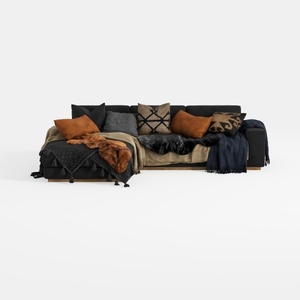
Modern Black Fabric Sectional Sofa with Decorative Throw Pillows and Blankets 3D Model
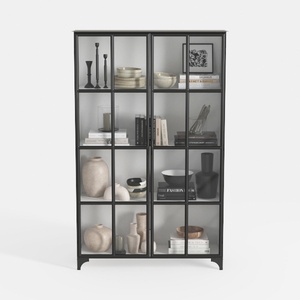
Modern Black Metal Glass Display Cabinet 3D Model
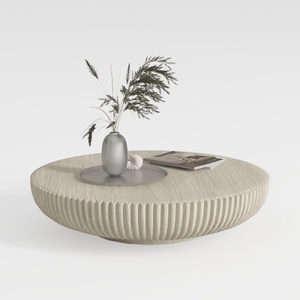
Minimalist Fluted Solid Wood Round Coffee Table 3D Model
Unlock your creativity with Homestyler, the ultimate online home design platform! Featuring an intuitive design tool, stunning 3D renderings, and a treasure trove of DIY video tutorials, it's never been easier to transform your living space—whether you're a novice or an experienced designer.
Projete agora para LIVRE
































