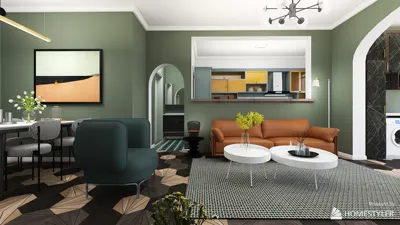


Optimizing the design of low-height rooms can significantly enhance their perceived spaciousness. By implementing effective false ceiling techniques, I concentrate on creating an optical illusion of height while ensuring a balanced light source and seamless technical integration. A depth of less than 3 inches allows for the concealment of essential wiring, glare control, and sound management, all while maintaining an open feel in compact areas.
Research on lighting and wellness supports these design strategies. The WELL v2 framework emphasizes the importance of balanced lighting and glare reduction for enhancing comfort, advocating for the use of layered lighting solutions that support circadian rhythms, ultimately promoting occupant health (refer to WELL Building Standard). Additionally, findings by Steelcase indicate that visual comfort can alleviate cognitive burdens, leading to greater satisfaction and a more open atmosphere in small living and working environments. I translate these principles into slim, streamlined ceilings that not only appear higher but also function more effectively, making tools like Homestyler invaluable for visualization.
The psychological impact of color also plays a crucial role in room perception. Light and cooler ceiling colors help create a sense of depth, while finishes with higher reflectance can distribute light more effectively. According to Verywell Mind, cool shades often evoke feelings of expansiveness and tranquility, particularly beneficial in low-ceilinged areas where visual compression poses a challenge. By integrating focused task lighting alongside soft ambient illumination, ceilings can serve as a mechanism to enhance room proportions rather than diminish height.
Strategies for Enhancing Perceived Ceiling Height in Low Spaces
- Maintain minimal ceiling drop: A height reduction of 1-3 inches accommodates necessary wiring and fixtures without overwhelming the room.
- Emphasize vertical lines: Implementing perimeter reveals, shadow gaps, or crown light bands encourages upward visual movement.
- Manage glare and brightness levels: Combining diffused ambient light with directed task lighting helps mitigate bright spots in lower spaces.
- Opt for high-reflective finishes: Use ceiling paints with an LRV (Light Reflectance Value) of 75-90 in eggshell or satin finishes to enhance light reflection.
- Segment thoughtfully: Dividing larger surfaces with sleek channels or beams introduces scale and avoids bulky visual elements.
- Utilize color psychology: Cooler ceiling hues such as soft gray-blue or misty sage recede visually more than warmer tones like cream.
Ultra-Slim False Ceilings: Techniques for Space Savings
- 1-1.5 inch service plenums provide adequate space for low-profile LED systems and cable management.
- Magnetic linear systems support modular fixtures with minimal cutouts, facilitating flexible design applications.
- Perimeter lighting solutions: Implementing a 2-inch cove can softly illuminate walls and create an impression of height through indirect lighting.
- Shadow gap features: An 8-12 mm negative reveal at the intersection of walls and ceilings can provide a sense of lift without increased depth.
- Select low-profile drivers and remote units: Mounting equipment in easily accessible areas keeps ceilings slim and visually appealing.
Perimeter Lighting Enhancements That Elevate Space
Introducing a subtle perimeter slot with indirect LED lighting at 2700-3000K can provide even wall washes, enhancing perceived height. I aim for ambient lighting levels of 200-300 lux for living areas, increasing to 300-500 lux in work zones based on IES recommendations. Indirect illumination softens the ceiling's impact and visually elongates corners, particularly effective in rooms with ceilings under 8 feet high.
Micro-Downlights and Targeted Lighting Control
Selecting 1-2 inch micro-downlights with a 15-30° beam angle enables the creation of concentrated task areas while maintaining a tranquil ceiling appearance. Incorporating anti-glare baffles and UGR-sensitive trims helps diminish glare, and spreading fixtures across the space in an intentional, asymmetrical arrangement adds to the architectural lightness of the design.
Color, Finish, and Sheen Optimization
- For ceilings: Choose cooler, desaturated light tones (LRV 80-90) in eggshell or matte finishes to limit glare while maintaining light bounce.
- Walls: Opt for colors that are slightly warmer than the ceiling to create an uplifting effect, utilizing 60-70 LRV on primary wall surfaces.
- Accented areas: Utilize darker colors in lower spaces (like baseboards) to establish a grounding effect and promote a sense of verticality.
Acoustic Comfort Without Compromising Aesthetics
The acoustic challenges of low ceilings can amplify sound due to reflective surfaces being closer to ear level. Instead of bulky acoustic treatments, introduce slender PET felt baffles or micro-perforated gypsum panels arranged in thin lines, effectively breaking echo while keeping sightlines clear. Focusing on first reflection points rather than blanket sound-proofing results in a balanced auditory environment.
Seamless Integration: HVAC, Sprinklers, and Sensors
- Aligning air diffusers with linear lighting helps maintain a cohesive ceiling design.
- Where feasible, utilize sidewall air registers to minimize the depth of the plenum.
- Group sprinklers with downlights to keep the ceiling organized.
- Select low-profile sensors that integrate flush with the ceiling or fit within linear features.
Layout-Centric Design Choices
Ceiling designs should complement furniture layout and movement within the space. I align linear lighting and reveals along prominent sightlines rather than placing them randomly. When experimenting with furniture arrangements in a petite home, utilizing tools for room layout can assist in visualizing how ceiling elements correspond to different areas. Consider using an interior layout planner for effective mapping, such as the layout simulation tools offered by Homestyler.
Ceiling Patterns for Enhancing Height Perception
- Perimeter float: A consistent shadow gap combined with soft uplighting keeps the center area bright and clean while enhancing vertical perception.
- Central spine: A narrow linear feature extending along the room's long axis creates depth perception.
- Interrupted ribs: Introduce two or three slender beams evenly spaced to enhance rhythm without adding heaviness.
- Diagonal wash: Utilize indirect lighting along a focal wall angled at 30-45° to elongate the perceived length of the room.
User Experience: Visual Comfort and Behavior
Low ceilings limit the vertical perspective. Reducing contrast in areas above eye level helps stabilize the overall experience—steering clear of shiny trims or overly bright points. Warm dim lighting (3000K to 2200K) promotes relaxation in the evening, while cooler ambient temperatures (3500K to 4000K) can enhance alertness in the morning. It’s essential to align color temperatures with specific activities rather than solely aesthetic preferences.
Sustainable Materials in Design
- Gypsum products with high recycled content and low-VOC coatings.
- Thin PET felt baffles made from recycled polyester for sound absorption.
- FSC-certified wooden veneers in slender slats offer warmth without bulk.
- High-efficacy LED lighting (100+ lm/W), with a CRI of 90+ for superior color quality, ensures durability.
Tailored Ceilings for Specific Room Types
- Bedrooms: Incorporate perimeter cove lighting with warm indirect tones, alongside micro-reading spots above the headboard and minimal fixtures in the center.
- Living areas: Utilize wall-washers to highlight artwork or shelving, while keeping the ceiling design subdued with a slim central feature.
- Kitchens: Combine slender linear task lighting beneath cabinets with a shallow central element for overall ambient brightness.
- Entryways: A single linear run aligned with the door sightline visually directs attention forward, minimizing the perception of height.
Common Design Pitfalls to Avoid
- Avoid dropping the ceiling uniformly when only peripheral edges require modification.
- Refrain from overcrowding the space with excessive downlights.
- Ensure consistent color temperatures to prevent visual disarray.
- Steer clear of glossy finishes that intensify glare in lower ceilings.
- Pay attention to potential acoustic issues arising from hard surfaces.
Personal Prototyping Strategies for Tight Spaces
Before finalizing my ceiling designs, I experiment with beam angles using portable LED strips and painter’s tape. Testing paint samples directly on the ceiling allows me to observe their appearance under different lighting conditions. A single night of prototyping can yield valuable insights, potentially saving an inch of unnecessary drop—a critical factor when working in tight spaces.
Resources and Further Reading
- For detailed guidance on light and glare management, refer to WELL v2 at wellcertified.com.
- Explore Steelcase research on the relationship between visual comfort and user satisfaction in compact environments at steelcase.com/research.
Frequently Asked Questions
In most residential scenarios, a ceiling drop of 1-1.5 inches can accommodate micro-LED channels and wiring. For larger drivers, aim for 2-3 inches while relocating power gear to side panels when possible.
For optimal living space illumination, a range of 200-300 lux for ambient lighting, complemented with task lighting, works well. Kitchens and work areas may require 300-500 lux, and dimming capabilities should be utilized to avoid glare in low ceilings.
Combining neutral-warm tones (3000-3500K) with high-reflectance finishes can enhance the ceiling's perceived height without creating harsh reflections. Cooler ambient light (3500-4000K) may feel more spacious in the morning—balance it with warmer options for evening use.
Indeed, utilizing indirect perimeter coves can softly illuminate walls and minimize ceiling presence, effectively enhancing height perception. It is advisable to use downlights sparingly as concentrated task lighting with glare-reducing fittings.
For managing acoustics in low-height areas, narrow PET felt baffles, micro-perforated gypsum panels, or fabric-wrapped strips at key reflection points are recommended. A discontinuous array typically mitigates echo while preserving the ceiling's height.
Yes, integrating linear diffusers with lighting fixtures while shifting some air distribution to sidewalls can maintain a visually calm ceiling design with reduced depth requirements.
Aim for eggshell or low-sheen matte finishes that provide high reflectivity without harsh glare effects. Target LRV 80-90 for ceilings in compact spaces to maximize light bounce.
Map sightlines originating from entrances and primary seating arrangements, then align linear elements along those axes. Digital interior layout tools can be invaluable for visualizing how lighting bands define areas: consider using tools like Homestyler for this purpose.
Thin, serviceable integrated lighting and acoustic solutions are highly valued by buyers, provided they maintain perceived height using indirect light and light-toned finishes, thereby enhancing comfort and aesthetics.
Utilize focused beam angles of 15-30° for tasks or accents and 40° for broader areas. Keeping peak luminance out of direct sightlines can significantly reduce glare in low-hanging spaces.



Homestyler is an outstanding online home design platform that makes transforming your home a breeze. With its user-friendly design tools, stunning 3D renderings, and a wealth of DIY video tutorials, you can effortlessly create and visualize your ideal living space. Start designing today!
Projete agora para LIVRE
































